8 months ago
·
by
alexkc13 ·
Comments Off on What Really Happens When You Don’t Update Your Insurance Each Year?
Most people treat insurance like a “set it and forget it” bill.
And to be fair, that works… right up until it doesn’t.
Because while your policy renews on schedule, your life changes quietly in the background. A new roof. A remodel. A teen driver. A bigger TV. A rental property you “just tried out for a few months.” Even shifting rebuilding costs and rate changes across North Carolina can change what “enough coverage” looks like from one year to the next.
The real problem is this: if your coverage is out of date, you usually do not find out on a normal Tuesday. You find out when something goes wrong, and the gap gets expensive fast.
Below is what really happens when you skip the yearly insurance check-in, plus an easy way to fix it.
1) You can end up underinsured without realizing it
If your home would cost more to rebuild today than it did a few years ago, your coverage needs to keep up. The same goes for your belongings.
A lot of homeowners assume their policy will “automatically adjust” to match reality. Sometimes it does, sometimes it does not, and sometimes the adjustment is not enough. The result is that your coverage may look fine on paper, but come up short when you need it most.
This gets even more important in coastal areas around Wilmington, Carolina Beach, and beyond, where storm-related repairs can add up quickly.
And it is not only big disasters. FEMA notes that just one inch of floodwater can cause roughly $25,000 in damage. Standard homeowners insurance typically does not cover flooding, which is why a coverage review matters before the water shows up.
2) Renovations and upgrades can quietly change your risk (and your coverage needs)
Home improvements are great. Insurance just needs to know about them.
Projects that often trigger coverage updates include:
- Kitchen or bathroom remodels
- Room additions or finished basements
- New roof or siding
- Decks, screened porches, and fences
- Upgraded flooring, built-ins, and custom cabinetry
- Pools, hot tubs, and outdoor kitchens
- Solar panels and battery storage
Nationally, remodeling and repair spending has been massive in recent years. Harvard’s Joint Center for Housing Studies reported that spending for routine maintenance swelled 61% from 2019 to 2023 (from $65B to $105B). In other words, lots of homeowners are changing their homes, whether their policies get updated or not.
If you renovate but do not update your policy, you can run into issues like:
- Your dwelling limit not reflecting what it would cost to rebuild now
- New features (like a pool) increasing liability exposure
- High-value materials (custom tile, hardwood, built-ins) not being reflected in coverage
If you are planning upgrades, it is worth reviewing your current policy first. If you have already finished the project, it is still worth updating now.
For homeowners in NC and SC, Cavik can walk through this with you and make sure your coverage still fits your home today (not the version of it from three remodels ago). Start with our Home & Renters insurance page for a quick overview of what we can help with.
3) New purchases add up, and your policy may not be built for it
This is the sneaky one.
Over time, most households accumulate more value than they realize:
- New TVs, laptops, and gaming systems
- Jewelry and watches
- Musical instruments
- Tools and equipment
- Collectibles, art, and specialty items
If you have upgraded your stuff, your coverage may need to be adjusted, or certain items may need special scheduling to be properly protected.
A quick yearly check-in is usually enough to catch this before it becomes a “wait… that’s not covered?” conversation.
4) Life changes can make your “old” policy the wrong policy
Even if you did not buy anything big or remodel anything, life changes can still shift your insurance needs.
Common updates that deserve a review:
- A new driver in the household (especially a teen)
- A new vehicle, a paid-off vehicle, or a new commute
- Working from home (or running a side business from home)
- Marriage, divorce, or a college-aged child moving back in
- Lending your car to someone regularly
- Getting a dog (yes, this can matter)
If you want to check your current auto coverage, our Auto insurance page is a helpful starting point. The Cavik team can help you spot gaps before they become problems.
5) Rental properties and “side income” can create coverage surprises (especially at tax time)
If you own a rental property (or you rent out a home short-term), insurance needs to match how the property is actually used.
A few examples where people get caught off guard:
- A home that was owner-occupied is now tenant-occupied
- You started using Airbnb or short-term rentals
- You upgraded the property and raised rent, but did not update coverage
- You assumed “landlord coverage” was automatically included
And since we mentioned tax season, it’s important to note that rental income and expenses typically get reported on Schedule E. The IRS notes you can generally deduct rental expenses against rental income.
That does not replace good insurance, but it is another reason to keep your rental policy accurate and easy to track year to year.
If you are a business owner, this matters even more. Your tools, equipment, vehicles, liability, and property coverage should be aligned with what your business actually does today. Our Business insurance page lays out the types of coverage we can help you shop for.
A simple yearly insurance check-in (that takes less time than you think)
You do not need a 40-page audit. You just need a consistent rhythm.
Here is a practical once-a-year checklist:
- Confirm your home’s rebuild amount still makes sense (especially after upgrades)
- Review deductible amounts and make sure they still fit your budget
- Update your list of valuables (and ask if anything should be scheduled)
- Check for discounts you may now qualify for (bundling, safety devices, etc.)
- Review auto drivers, vehicles, and how the car is actually being used
- If you own rentals, confirm the policy matches tenant use and liability needs
- If you run a business, confirm coverage matches your current operations
The Insurance Information Institute recommends reviewing your insurance needs at least once a year, and also any time you have a major life change.
A 15-minute review that can save you a year of stress
If you are in Wilmington, Carolina Beach, Leland, Fayetteville, or anywhere in North Carolina and South Carolina, Cavik Insurance can make the annual review easy. You can:
- Browse recent updates on the Cavik blog
- Use the Client Center to manage policy needs like payments or claims
- Reach out directly through our contact page to set up a quick coverage review
Because the best time to find a coverage gap is not after a claim. It is during a calm week, with a quick conversation, before anything happens.
Remember: before havoc, call Cavik.
Read more

9 months ago
·
by
alexkc13 ·
Comments Off on Our 2025 Year in Review: Milestones, Memories, and Moments That Matter
2025 was a year of growth, gratitude, and meaningful connections for the Cavik Insurance team. From expanding our reach to deepening our community roots, every moment reminded us why we do what we do: helping people protect the people, places, and priorities that matter most.
As we wrap up the year, here’s a look back at the milestones, memories, and meaningful moments that shaped 2025 for Cavik Insurance.
Expanding Our Reach: A New Office in Leland
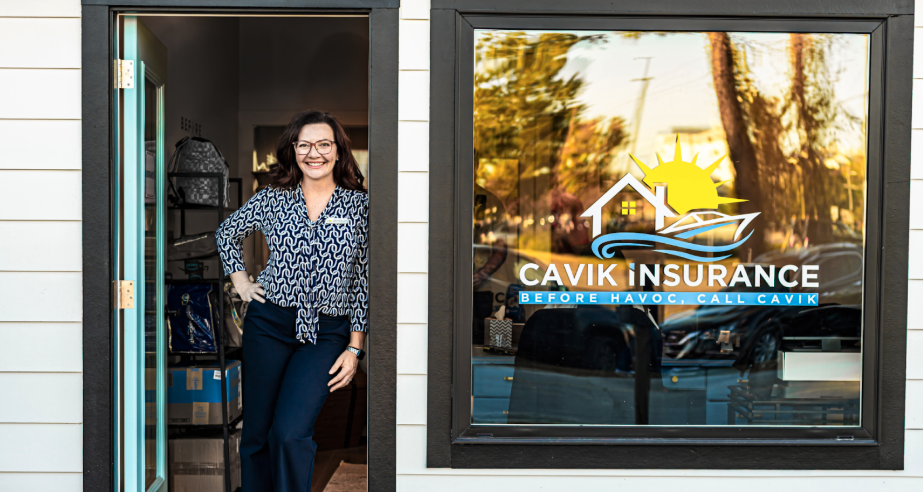
2025 marked a major milestone with the opening of our new office in Leland, now located at 403 Village Road.
The new space is bigger, brighter, and designed to feel inviting the moment you walk in; another welcoming place for conversations about coverage, confidence, and community.
This expansion allows us to support even more families, small businesses, and property owners throughout Brunswick County, all with the same personal attention Cavik is known for. We’re already connecting with new residents and neighbors, helping them feel right at home with insurance they can trust.
You can visit our new office or connect with us anytime through our Contact page.
Expanding Our Carrier Network
This year, we partnered with several new insurance carriers to give clients even more choices and more competitive rates.
Our newest partnerships include:
More carriers means more ways to customize coverage for:
- Homeowners across North Carolina, South Carolina, Tennessee, and Virginia communities
- Drivers looking for affordable, reliable auto protection
- Business owners who want personal support from a local agency they can call by name
Click here to get a quote and start exploring options.
Supporting Our Community: Backpacks, Nonprofits & Giving Back
Community involvement was at the heart of Cavik’s story in 2025.
This year, we were proud to support organizations throughout North Carolina, like Cape Fear Literacy Council, and Freedom Bridge Animal Rescue, along with dozens of local families and students.
This year, our team:
- Donated $2,500 to local nonprofits to help support causes that are close to our hearts
- Packed 78 backpacks distributed through community partners supporting families experiencing homelessness
- Spent volunteer days supporting meaningful causes across our communities such as supporting our veterans at the VFW Veterans Day in Belville
These efforts remind us that insurance isn’t just about policies, it’s about people and showing up where it matters.
To learn more about the impact of local businesses in strengthening communities, explore the North Carolina Center for Nonprofits’ insights on How Local Businesses Can Support Their Communities.
Connecting with Our Industry and Community
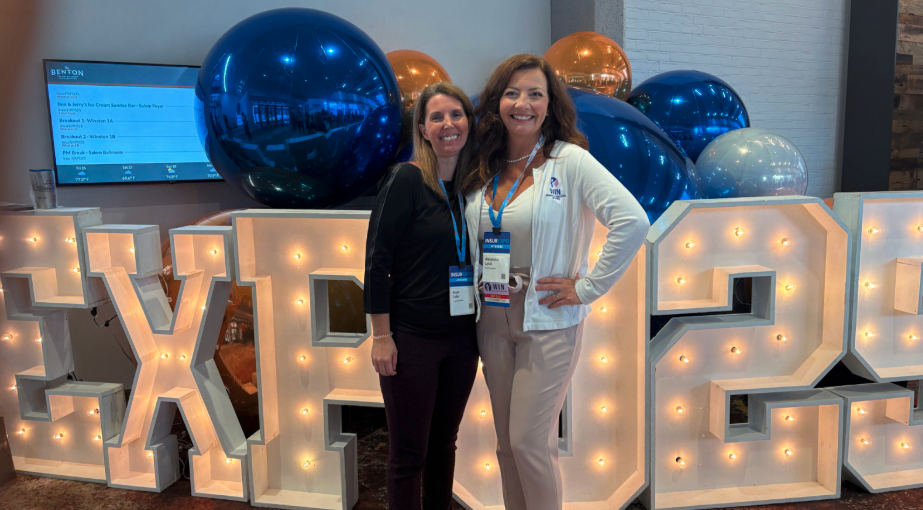
In 2025, Cavik spent time connecting with peers, partners, and industry leaders at key statewide events.
A few standout moments:
- IIANC Insurance Expo: Our team joined agents from across the state to share ideas and explore innovative ways to better serve clients.
- Spark ILM: We were excited to support and participate in this Wilmington event celebrating local entrepreneurship, growth, and connection.
These moments help us grow. Not just as an agency, but as active members of the broader Carolina business community.
Celebrating Personal Milestones
The Cavik family continued to grow and celebrate milestones both inside and outside the office.
This year had some highlights:
- Christina welcomed a new baby to the family.
- Dani celebrated her 30th birthday.
- Hope’s granddaughter graduated from kindergarten.
- Nikki’s boys earned multiple baseball championships.
- Alexandra adopted Nacho, her newest rescue pup, through Freedom Bridge Animal Rescue.
- Shannon was able to help multiple clients expand their business insurance through annual reviews.
We’re grateful for a workplace that celebrates real life—not just work life—because our people are what make Cavik truly special.
Building Stronger Client Connections
In 2025, we elevated the customer experience by adding more value, more clarity, and more convenience to every interaction.
Dedicated Account Managers
To provide consistent, personalized service, we introduced assigned account managers:
- Nikki — supporting personal lines clients with last names A–M
- Christina — supporting personal lines clients with last names N–Z
- Shannon — leading all commercial account management for business clients
This made servicing faster, more organized, and more personal.
VIP Client Program
We also launched our VIP Program, offering:
- Priority communication
- Annual coverage reviews
- Proactive policy check-ins
- Support tailored to changing needs
So if you are a client who needs a dedicated agency to help organize your multiple policies, we have the program for you!
EZLynx Client Policy Center
More clients than ever used our online policy center this year, making it easy to:
- Download ID cards
- Request policy changes
- Review coverage
- Access documents anytime
Check it out now to see how easy it is to make changes or ask questions regarding your policies!
Text Communication Made Simple
Texting became one of the most popular ways for clients to reach us—offering quick, convenient communication without missed calls or voicemail delays.
You can call or text our office at (910) 722-3225
A Major Milestone: $1,000,000+ in New Business
Thanks to the trust of our community, Cavik surpassed $1,000,000 in new business sales in 2025, a milestone we’re incredibly proud of. And we couldn’t do it without you, our clients! Thank you for putting your trust in us in 2025!
To explore coverage options designed for your lifestyle, visit our pages for Home Insurance and Auto Insurance.

Looking Ahead to 2026
As we step into 2026, our focus is simple:
- Serve with integrity
- Grow with purpose
- Stay connected to our community
We’re committed to adding more resources, more carriers, and more ways to make insurance easier and more accessible for every client who trusts us with their coverage.
For a look at trends shaping the industry next year, explore the Insurance Information Institute’s latest report on market projections for 2026.
Thank You for Being Part of Our Journey
From our family to yours, thank you for another year of trust, connection, and support. We’re proud to be your neighbors, advisors, and advocates, and we can’t wait to continue serving you in 2026.
Ready for coverage or want to get to know us better? Start the year with clarity and confidence by connecting with us through our Contact page.
Read more

10 months ago
·
by
alexkc13 ·
Comments Off on Floods, Fires, and the Fine Print: Protecting Your Home the Right Way
Whether it is a burst pipe or a coastal storm, the moments after damage hits are not the time to find out you were underinsured. Too often, homeowners assume “everything” is covered until they face a flood, fire, or policy exclusion that says otherwise.
You cannot predict the disaster, but you can control how well you’re protected when it happens.
Cavik Insurance helps homeowners across the Carolinas understand what their policy truly covers, what it doesn’t, and how to close the gaps before havoc hits.
The Hidden Gaps in Standard Homeowners Insurance
A standard homeowners policy covers common perils such as wind, theft, and fire—but it does not protect against everything. Floods, earthquakes, and certain types of water or mold damage are often excluded, leaving property owners vulnerable to major losses.
This is especially important in coastal regions like Wilmington and Myrtle Beach, where high winds, heavy rain, and storm surge can compound risks. Even a strong policy can fall short if it’s not designed with local conditions in mind.
Comprehensive protection starts with understanding these limits and customizing your coverage for your area’s most likely threats.
See how Cavik helps Carolina homeowners tailor their coverage to fit local risks.
Flood Damage: The Most Common Uncovered Threat
Flooding remains the most frequent and costly natural disaster in North Carolina, yet it’s rarely included in standard homeowners insurance. FEMA reports that just one inch of water can cause more than $25,000 in damage.
Even properties outside of traditional flood zones can experience significant flooding due to heavy rain, drainage backups, or storm runoff. For coastal homeowners, the risks are magnified by storm surge and hurricanes that can overwhelm systems in minutes.
Homeowners should reach out to Cavik to get quotes that match your coverage.
Key questions to ask your agent:
- Is my property in a high-risk or moderate flood zone?
- How much coverage do I need for the structure and contents?
- Does my mortgage lender require flood insurance?
The North Carolina Department of Insurance – Flood Insurance Guide is an excellent resource to help you understand coverage limits and eligibility.
Talk to Cavik about flood insurance options available for your property.
Fire Coverage: What You Think You Have (and What You Don’t)
Fire coverage is typically part of a homeowners policy, but the details matter. Policy limits, exclusions, and outdated coverage values can leave homeowners underinsured when they need help the most.
Common pitfalls include:
- Failing to update coverage after renovations or upgrades. A remodeled kitchen or added deck may not be reflected in your current policy.
- Overlooking detached structures such as garages, workshops, or sheds, which often require separate coverage limits.
It’s also crucial to confirm that your policy is based on replacement cost coverage, not actual cash value. Replacement cost reimburses the amount needed to rebuild with today’s prices, not depreciated values from years ago.
Get a home insurance quote and find out if your fire coverage is strong enough through our Quote page.
The Fine Print That Could Cost You Thousands
Every insurance policy contains fine print that influences what gets paid and what doesn’t. Homeowners often overlook key exclusions and limits until a claim is denied or partially reimbursed.
Pay close attention to the “Exclusions” section of your policy, which often lists perils such as:
- Earth movement or sinkholes
- Flooding from external water sources
- Sewer or drain backup
- Neglect or poor maintenance
Other overlooked details include:
- Coverage caps for valuables such as jewelry, electronics, and art.
- Mold or mildew limits that may cover cleanup but not full remediation.
- Water damage distinctions, where damage from plumbing leaks may be covered but rising water from storm surge is not. Confirming the type of plumbing you have is essential to ensure there are no limitations on the amount of coverage afforded at the time of the claim.
To avoid unpleasant surprises, schedule a policy review at least once a year—especially after home improvements or major purchases.
Review your current policy through Cavik’s online portal or schedule a coverage review by clicking “Quote” in our navigation menu on our website.
For more education on policy structures, exclusions, and insurance as a whole, visit the Insurance Information Institute – Homeowners Insurance Basics.
How to Make Sure You’re Fully Protected
The best time to strengthen your insurance coverage is before something goes wrong. Taking proactive steps today can make all the difference when the unexpected happens.
Here’s how to make sure you’re fully protected:
- Review your coverage limits annually. Inflation, material shortages, and construction costs have risen significantly, meaning old limits may no longer be enough.
- Ask about add-ons and endorsements. Flood, windstorm, sewer backup, equipment breakdown and service line endorsements can close critical gaps.
- Document everything. Take photos and videos of your home and valuables for proof in the event of a claim.
- Work with a local, independent agent. Local experts understand regional risks, state regulations, and how to balance coverage with cost.
Home insurance is not one-size-fits-all, especially in the Carolinas. The right partner can ensure your policy reflects both your property and your priorities.
Review our blog for more tips to assess your coverage and close any gaps in your insurance.
Don’t Wait for Havoc, Plan for It
Disasters don’t wait for the right time, and neither should you. The difference between a minor inconvenience and a major financial loss often comes down to preparation and the fine print.
If you have not reviewed your home insurance recently, now is the perfect time. Before floodwaters rise or sparks fly, make sure your coverage is built to stand strong.
Call Cavik to protect your home the right way.
Read more

11 months ago
·
by
alexkc13 ·
Comments Off on 5 Factors That Affect Your Auto Insurance Rates the Most
Auto insurance isn’t one-size-fits-all. Two people driving similar vehicles in the same town can end up with very different premiums. That’s because insurance companies look at a variety of factors when calculating risk and setting prices. Some are outside of your control, while others you can actively improve to lower costs.
If you’ve ever wondered why your neighbor pays less—or more—than you, here are the five biggest factors that affect what you pay for auto insurance in North Carolina.
1. Driving Record
Your driving history is one of the most important things insurers evaluate.
- Speeding tickets, DUIs, and at-fault accidents raise premiums.
- A clean record is the #1 way to keep your costs low.
- Even minor violations can linger on your record for years, influencing your rate long after the ticket is paid.
In North Carolina, the Safe Driver Incentive Plan (SDIP) makes this even more structured. Each violation or accident adds points to your driving record, and those points translate directly into higher insurance premiums. For example, a speeding ticket may add two points, while a DUI adds twelve, potentially doubling or tripling your rate.
Cavik Insurance helps North Carolina drivers review coverages and verify the best rates possible after accidents or tickets happen. Learn more about our auto insurance coverage.
2. Age and Experience
Younger and less experienced drivers typically face higher premiums because insurers see them as higher-risk. That’s not news, but recent changes in North Carolina law make this category even more impactful.
Previously In North Carolina, drivers were considered “inexperienced” for three years after they got their license. Now, new inexperienced driver policies changed significantly on July 1, 2025, expanding the surcharge period from three to eight years for drivers first licensed on or after that date. This law applies to any new driver obtaining a license on or after July 1, 2025, affecting premiums which means younger drivers may stay in a higher premium bracket longer than before.
Families also see significant changes when they add a young driver to their policy. One way to offset that cost? Take advantage of a “student away at college” discount if your child is living on campus and doesn’t have a car with them all the time.
The Insurance Information Institute explains auto insurance basics and what goes into calculating premiums.
3. Vehicle Type and Usage
The car you drive matters just as much as how you drive it.
- Sports cars and luxury vehicles usually cost more to insure because their repairs and replacement parts are expensive.
- Daily commuters tend to pay more than drivers who only use their car occasionally.
- Vehicle features can be a double-edged sword: while many assume safety features lower rates, most of those credits are already baked into the VIN (vehicle identification number).
In fact, some advanced features like sensors and backup cameras can increase repair costs, which means higher rates. For instance, replacing a bumper on a vehicle with a rear camera is far pricier than on an older sedan.
4. Location and Zip Code
Where you live and where you park your car also plays a big role in your insurance premiums.
- Urban areas like Wilmington often see higher rates because of traffic congestion, higher accident frequency, and theft risk.
- Rural areas may have lower rates overall, but coastal counties can see rate hikes due to storm exposure, flooding, and hurricane damage.
- Even within the same county, moving from one zip code to another can change your premium.
Ask Cavik how location impacts your policy in coastal North Carolina.
5. Credit History and Insurance Score
This may surprise some drivers, but in North Carolina, insurers can use a credit-based insurance score as part of their rating system. The logic is straightforward: higher credit scores tend to correlate with fewer claims.
That doesn’t mean you need perfect credit, but maintaining good financial habits—like paying bills on time and keeping balances low—can help reduce your auto insurance costs.
The National Association of Insurance Commissioners has a good resource that explains how credit affects auto insurance if you’d like to know more.
FAQs: Auto Insurance Rates in North Carolina
Q: Can I lower my rate without switching cars?
Yes. Many drivers save by asking about discounts. Some of the most common include:
- Multi-policy bundles (auto + home with the same agent)
- Multi-vehicle discounts (insuring more than one car on the same policy)
- Student away at college discounts
- Military discounts
- Usage-based programs (like Progressive’s Snapshot or National General’s DynamicDrive, which monitor your driving habits for potential savings)
Q: Do moving violations always raise rates?
Not always, but repeated tickets or serious violations (like reckless driving or DUIs) have a major impact under the SDIP system.
Q: Will my rates change if I move within North Carolina?
Yes. Even a move to a new zip code can increase or decrease your premium.
Take Control of Your Auto Insurance Costs
Auto insurance rates are shaped by factors you can’t change (like age or where you live) and ones you can (like your driving record, credit, and coverage decisions). The good news is, when you understand what goes into your premium, you can make smarter choices that keep costs manageable.
At Cavik Insurance, we break it all down for you and help you understand what’s driving your rate and where you can save.
Request a quote from Cavik Insurance and see how much you could save.
Read more

12 months ago
·
by
alexkc13 ·
Comments Off on 7 Tips to Hiring Quality Contractors in Your Area
Whether you’re picking up the pieces after a major storm or just planning a long-overdue renovation, the contractor you hire can make or break your experience. For Coastal Carolina homeowners, especially those in coastal areas like Wilmington and Leland, hiring the wrong person doesn’t just waste time—it can leave you with incomplete work, legal trouble, or even denied insurance claims.
At Cavik Insurance, we’ve helped hundreds of clients across North and South Carolina navigate claims, rebuilds, and renovations. Over the years, we’ve seen what happens when things go right—and when they don’t.
Here are seven must-know contractor tips that can save you time, money, and stress before a single nail is hammered.
1. Ask for Proof of Insurance and Have Your Insurance Agent Review It
A legitimate contractor should carry both general liability insurance and workers’ compensation coverage. These policies help protect you from liability if an accident or property damage occurs during the job.
Before signing anything, request a Certificate of Insurance (COI) and review the details:
- Is it current?
- Does the policy match the contractor’s business name?
- Is the type of work you’re hiring for covered?
If they can’t provide this, or it doesn’t add up, that’s your cue to walk away.
For homeowners working through an insurance claim, this is even more important. Hiring an uninsured contractor could void portions of your coverage or have long term damages if the contractor isn’t qualified for the work being done.
See how Cavik helps protect your home and works alongside your contractor if a claim is involved. Explore our homeowners and landlord insurance services.
2. Be Wary of Storm Chasers and Door-Knockers
In the days and weeks following a major weather event, it’s common for contractors to canvas neighborhoods offering immediate inspections or “we’ll handle everything” claims assistance.
These so-called storm chasers often pressure homeowners into signing agreements on the spot—and then disappear before the work is completed, or worse, leave behind low-quality or unpermitted repairs.
Before hiring anyone who approaches you unsolicited:
- Ask where their business is based
- If applicable, look up their license and insurance online (Roofers and Contractors doing under $30,000 in work aren’t normally licensed by the state)
- Search for reviews or complaints from other homeowners
- Ask for references from local jobs completed in the past year
A physical address and history of work in your area matter. The farther they’re based, the less accountability you may have if something goes wrong.
Read more from the BBB on protecting yourself from “storm chasers” after a natural disaster.
3. Get It in Writing And Review the Fine Print
Verbal quotes are not enough. A reputable contractor will provide a detailed written estimate that includes:
- Scope of work
- Materials to be used
- Payment terms
- Timeline (start and expected completion dates)
- Warranty details
You should understand exactly what’s being done and how much it will cost. Look out for vague terms like “TBD” or “market price”—they can lead to costly surprises later.
Ask whether your agreement includes:
- Permit filing responsibilities
- Cleanup and debris removal
- Payment milestones tied to progress, not time
If your contractor avoids written terms or pushes you to sign a document you haven’t read, that’s a red flag.
4. Look Local First
Hiring a local contractor has several advantages:
- They’re more likely to be familiar with local building codes and inspection procedures
- They’ve established a reputation in the community
- They’re easier to reach if follow-up work or warranty issues come up
Cavik clients often ask for recommendations, and we’re happy to share names of contractors that have completed work successfully in our region. A contractor who has worked with your neighbors or friends is more likely to value your satisfaction and repeat business.
Ask your insurance agent, real estate agent, or local hardware store who they trust. Online directories and neighborhood forums can help, but firsthand experience is better.
5. Watch for Red Flags During the First Meeting
Trust your instincts during that first conversation. A good contractor should be professional, clear, and patient—not rushed or dismissive.
Things to watch out for:
- Asking for full payment up front
- Refusing to provide references
- Showing up without business cards or branded materials
- Skipping inspection or planning steps
- Providing a quote without seeing the project site
A reliable contractor will take time to walk through your options, explain pricing, and put everything in writing. They should also explain how they handle problems, delays, or changes once the project is underway.
Architectural Digest has a helpful article on 12 Red Flags to Look For To Avoid Hiring Bad Contractors for more in-depth reading.
6. Make Sure Your Contractor and Coverage Are Aligned
Before you sign anything—especially for insurance-related repairs—it pays to slow down and check the details.
At Cavik, we help you:
- Contact reputable, properly insured contractors
- Streamline communication between your adjuster and your contractor
- Understand what coverage information your contractor may need to see (or provide)
You want to be confident that everyone’s on the same page—your insurance company, your contractor, and you. We do not approve claims, but we can help you avoid confusion and delays by verifying key details early in the process.
Contact Cavik Insurance before hiring a contractor for insurance-related repairs.
7. Keep Records From Day One
Even with a great contractor, documentation is your backup plan.
Save:
- Initial estimates and bids
- Signed contracts and any addendums
- Payment receipts and invoices
- Change orders
- Photos before, during, and after the project
Keep a simple log of communication—emails, text messages, and in-person meetings. If a dispute ever arises, these records will help support your case with the contractor or your insurance company.
Having this level of organization can also help with:
- Filing a supplemental claim
- Verifying warranties
- Providing accurate information during appraisals or future sales
Why Cavik Cares About Your Contractor Experience
We don’t manage or hire contractors directly, but we’re deeply familiar with how a bad hire can derail an insurance claim, cause long delays, or cost you significantly more out of pocket.
Our job is to protect you not just with policies, but with guidance and insight that can prevent unnecessary stress. We help you understand what’s covered, how to file a claim, and how to work alongside your contractor and insurance adjuster for the best outcome.
When you have questions, we’re not sending you to a call center. We’re local, available, and ready to help you get it right the first time.
Don’t Hire Fast, Hire Smart
The right contractor can bring your home back to life. The wrong one can leave you worse off than where you started.
Take the time to research, verify, and get professional input before you sign. If your project involves insurance, contact us early in the process—we’ll help you understand what matters and who can help.
Need help after a storm or before starting a project? Contact Cavik Insurance today for local advice in Coastal North Carolina and South Carolina and trusted coverage that works when it matters most.
Read more
1 year ago
·
by
alexkc13 ·
Comments Off on Insurance Claims 101: Real Advice From a Local Adjuster
Most people don’t file insurance claims often… maybe once or twice in a lifetime. But when damage hits your home, there’s no handbook on what to do next. And let’s be honest: navigating the claims process can feel like a maze.
So we teamed up with Kory LaViolette, a National General Adjuster based right here in Wilmington, North Carolina, to walk through what really happens during a claim. From what to do right after an incident to what adjusters are actually looking for, this Q&A lays out everything homeowners wish they knew before the chaos.
Q: What should homeowners do immediately after damage happens?
A (Kory): First, protect your property. That might mean calling a plumber, fire department, or restoration company depending on the situation. After that, call your insurance agent. The faster you start the claim, the faster things can get moving. But always make sure the damage is documented before cleanup begins.
“It’s okay to take action, but don’t erase the evidence,” says Kory. “Photos and receipts matter.”
See how Cavik helps guide homeowners through the claims process from day one.
Q: What information should be gathered before contacting your insurance agent?
A (Kory): Three things are key:
- The date of the loss
- What caused it (be specific)
- And whether anyone else was involved or hurt
It also helps to provide a short description of the damage and a copy of any emergency report (fire department, police, etc.). These details help the adjuster know what to expect during the inspection.
Q: How long does the average insurance claim take to process?
A (Kory): For a typical claim, you’re looking at 30 to 90 days from start to finish. That depends on the severity of the loss and how fast the homeowner responds. It also depends on things like contractor availability and—if it’s a storm situation—claim volume.
“Especially after hurricanes, we work in waves. Your patience goes a long way, but so does staying in touch.”
Learn more about understanding the claims process from the National Association of Insurance commissioners (NAIC).
Q: What delays insurance claims more than anything else?
A (Kory): These are the big ones:
- Homeowners making repairs without taking photos
- Being unclear about what the claim is actually for
- Waiting too long to reply to emails or calls
- Shortages in contractors or materials
If something is holding up your part of the process (like waiting for an estimate), tell your adjuster. Silence makes everything slower.
Q: What are the most common mistakes people make when filing claims?
A (Kory): Filing a claim with no documentation is a big one. Also, not knowing what the claim is for. I’ve walked into homes where people are trying to file for roof damage, old plumbing, and rodent issues—all in the same claim. That’s not how it works.
Keep it focused. Pick a single event. If the loss happened over time or due to neglect, that usually won’t be covered.
Q: What happens during an adjuster’s inspection?
A (Kory): I always start with a conversation. I want to hear the story: when it happened, what actions you’ve taken, and whether the home has had any previous damage or repairs.
Then I’ll take measurements, look for the cause and origin of the loss, and talk through repair options—especially if your contractor is present. I’ll also make sure you understand your deductible and what happens next.
Still have questions? Get in contact with your insurance adjuster or reach out to Engle Martin.
Q: What role does Cavik Insurance play in the claims process?
A (Kory): Having an independent agent like Cavik is a huge help. They’re not just sending you to a 1-800 number. They’re your direct line to someone who can explain your deductible, follow up with the carrier, or even recommend a restoration company. That makes everything smoother.
Need help with a current claim or want to prepare for the next one? Call Cavik first.
Q: Are there types of damage that standard homeowners insurance won’t cover?
A (Kory): Yes. Here’s a list of common exclusions:
- Flooding or storm surge
- Water backup or sewer line failures
- Rodent damage
- Plumbing that runs beneath the home’s foundation
Also, if the damage was caused by wear-and-tear or poor maintenance, it may not be covered. That’s why reading your policy—and talking to your agent about specific risks—is so important.
Q: Can a claim impact your premium?
A (Kory): Sometimes. Hurricane-related claims typically don’t raise your rate, but claims like fire, water, or theft could impact your pricing or eligibility for the next 3 to 5 years. Water claims in particular are being scrutinized more than ever.
If you’re not sure whether to file, talk to your agent first. Sometimes the repair cost isn’t worth the long-term impact.
Q: What should homeowners know about deductibles?
A (Kory): Your deductible is the amount you’re responsible for before insurance steps in. It could be a flat $1,000, or it might be a percentage of your home’s value—especially for wind or hurricane deductibles.
“Know what your deductible is before a storm—not after.” That’s a conversation your agent should help with.
Q: What causes claims to get denied?
A (Kory): The three most common reasons are:
- Damage due to lack of maintenance
- Claims for ongoing wear rather than a single event
- Filing for something not covered in the policy (like flood without flood insurance)
But if you believe your denial was incorrect, you can appeal—especially if you’ve got updated documentation or expert input.
Q: What types of claims tend to follow North Carolina storms?
A (Kory): Wind and hail, tornadoes, and flooding are the most common. Storm surge is another big one, but remember: flood damage isn’t included in most homeowners policies. That requires separate flood coverage.
Learn about the difference between FEMA and private flood insurance in our full blog.
Q: How can homeowners prepare before hurricane season?
A (Kory): A few simple steps can go a long way:
- Trim trees and remove loose outdoor furniture
- Check seals on windows and doors
- Clean gutters and downspouts
- Review your policy and confirm deductibles
The more proactive you are, the easier the claims process will be if something happens.
Final Thoughts from Cavik Insurance
Filing a claim doesn’t have to feel like a disaster on top of a disaster. With the right documentation, a clear understanding of your policy, and a local team ready to help, you can get through it—and get back to normal—faster.
If you’re a homeowner in Wilmington, Leland, or anywhere along the coast, Cavik Insurance is here to help you understand your coverage and be ready before havoc hits.
Get started with a claims review or policy check-in today.
Read more

1 year ago
·
by
alexkc13 ·
Comments Off on What Insurance Do I Actually Need? A Simple Guide For Real Life
You don’t want to be underinsured, but you also don’t want to pay for coverage you don’t need.
Whether you own a home, drive to work, rent downtown, or just launched a side business, insurance should protect what matters without overwhelming you in the process.
At Cavik Insurance, we believe in making coverage clear and personal. That’s why we created this simple guide to help you understand what you really need—and what you don’t—based on your lifestyle in North Carolina.
Own a Home? Homeowners Insurance Is a Must
If you own a home in Wilmington or anywhere in coastal NC, homeowners insurance isn’t just smart, it’s often required by your lender. A solid policy covers:
- Your house, garage, and other structures
- Personal belongings
- Liability protection if someone’s injured on your property
Some homeowners forget to ask for key extras like:
- Wind/hurricane coverage specific to coastal homes
- Coverage for detached buildings, toolsheds, or home offices
- Proper liability coverage for dogs, pools, or trampolines
And here’s the kicker—don’t just settle for a payout based on your home’s market value. Make sure your policy includes replacement cost coverage, which ensures you can actually rebuild what you lose.
Rent? Don’t Skip Renters Insurance
Renters insurance is one of the most affordable protections out there—and one of the most overlooked. It protects your stuff from fire, theft, and water damage, and often includes liability coverage if someone is injured in your apartment.
Even if your landlord’s building is covered, your personal belongings aren’t. Explore Cavik’s options for homeowners and renters in coastal NC to get covered for less than the cost of a coffee a week.
Auto Insurance: Now With Higher Minimums in North Carolina
If you drive in North Carolina, you legally need auto insurance—and as of July 1st, 2025, North Carolina increased the minimum liability limits from 30/60/25 to 50/100/50. That’s a big shift.
Here’s what to think about:
- Do you need comprehensive and collision? (Great if your car is newer or financed.)
- Will you need rental reimbursement if your car is in the shop?
- Need help in a pinch? Towing and roadside assistance coverage can save the day if you’re locked out, broken down, or stuck after an accident.
- What about uninsured/underinsured driver coverage? (Still essential in NC—this protects you if someone hits you and doesn’t have enough insurance to cover the damage.)
Cavik can help you balance cost and protection with coverage that’s built around your daily life. See our auto insurance options.
Also, we recommend checking out the NC DOI Auto Insurance Guide for more in depth insights.
Flood Insurance: Yes, You Might Need It
If you live near the coast, in a low-lying area, or even near a creek or pond—your standard home insurance won’t cover flood damage.
Cavik compares FEMA vs. private flood insurance options to help you decide:
- What’s required for your zone
- What waiting periods and coverage limits apply
- Whether your property type (primary home, rental, or commercial) needs layered coverage
Compare coverage options in our Private vs FEMA flood insurance blog.
Umbrella Insurance: For When Things Really Pour
Think of umbrella insurance as backup for your backup. It kicks in when your homeowners or auto liability maxes out—often in serious injury or lawsuit situations.
An umbrella policy is especially smart for:
- Homeowners
- Business owners or landlords
- Families with teen drivers
- Boat or RV owners
Even one unexpected event—like a major car accident—can exceed your underlying policy limits. An umbrella policy helps protect your assets (and your future) from being on the hook.
Business Owner or Contractor? Get Covered Like a Pro
If you’re self-employed, run a shop, flip houses, or even just mow lawns on the side then you need business insurance.
Cavik helps tailor protection that may include:
- General liability for injury or property damage caused by your business
- Commercial property for stolen tools, damaged stock, or building repairs
- Workers compensation for employee injuries
Whether you run a solo side hustle or a growing team, we’ve got you covered.
Explore Cavik’s business insurance solutions, or start with this guide from the SBA on business insurance basics.
FAQs: What Most People Still Ask
Is insurance required by law?
Auto liability coverage is required by law in North Carolina. If your vehicle is financed, your lender will also require physical damage coverage (aka comprehensive and collision).
Buying a home? Your bank will require homeowners insurance, and if you’re in a high-risk flood zone, flood insurance may also be mandatory.
Umbrella insurance isn’t required, but if a major liability loss hits, it could be the difference between recovery and ruin.
What’s one policy people forget?
Flood insurance! Especially if they’re not in a high-risk zone but still vulnerable.
Can I bundle policies to save money?
Yes! Cavik works with multiple carriers and offers multi-policy discounts. With Cavik Insurance, bundling your policies with our agency also makes life a little less stressful, knowing you have one agent to call for your insurance needs.
What if I move or remodel?
Your coverage needs may change. Whether you’re switching counties or upgrading your kitchen, Cavik can adjust your policies to keep up with your life.
Real Insurance for Real Life
Insurance isn’t about selling you the biggest policy, it’s about protecting what matters most, when it matters most. From homeowners and renters to business owners and busy families, Cavik helps make insurance feel a little more human—and a lot more helpful.
Not sure what you need? Contact Cavik Insurance to get honest, expert help building your North Carolina protection plan before havoc hits.
Read more

1 year ago
·
by
alexkc13 ·
Comments Off on Private Vs. FEMA Flood Insurance: Which One Actually Protects You?
If you live in North Carolina, especially along the coast or near a floodplain, you already know the risks. Storms are getting stronger. Rainfall is getting heavier. And FEMA disaster relief doesn’t always cover the damage.
That’s why flood insurance isn’t optional anymore, it’s essential.
But when it comes to choosing between FEMA flood insurance and private flood insurance in NC, many homeowners aren’t sure where to start. This post breaks down the real differences between the two and how to choose coverage that actually works when you need it most.
What Is FEMA Flood Insurance?
FEMA flood insurance is backed by the federal government and administered through the National Flood Insurance Program (NFIP).
Key facts:
- Managed by FEMA and available to homeowners, renters, and businesses
- Backed by the U.S. Government
- Coverage limits:
- Up to $250,000 for your home’s structure
- Up to $100,000 for personal belongings
- Standard 30-day waiting period before coverage activates unless there is a mortgagee closing
FEMA coverage offers a baseline level of protection. In high-risk flood zones, mortgage lenders require flood insurance, but they typically accept either FEMA-backed or private flood coverage, as long as it meets minimum standards.
What Is Private Flood Insurance?
Private flood insurance is offered by non-government insurance providers and often gives homeowners more flexibility.
It typically includes:
- Higher coverage limits (based on your home’s actual value)
- Options to cover basement contents, temporary living expenses, and replacement cost on belongings
- Shorter waiting periods, sometimes as little as 10–15 days
- In some cases, can be bundled with your homeowners insurance for convenience and savings
Private flood insurance is accepted by lenders and is available in more areas than ever before. Learn how Cavik helps homeowners and renters compare flood insurance options.
Key Differences at a Glance
Feature
|
FEMA Flood Insurance
|
Private Flood Insurance
|
Backed By
|
U.S. Government (NFIP) |
Private Insurance Company |
Coverage Limits
|
$250,000 (home), $100,000 (contents) |
Often higher, based on home value |
Waiting Period
|
30 days |
As little as 10–15 days |
Extra Coverage
|
Limited |
May include temp housing, valuables, basements |
Quick takeaway: FEMA is often the minimum required. Private flood insurance offers more flexibility, broader coverage, and in many cases, competitive pricing. Read the NAIC’s guide to private flood insurance for more information.
What Most Homeowners Don’t Realize
A standard FEMA flood insurance policy does not cover:
- Additional living expenses if your home is uninhabitable
- Replacement cost on damaged contents
- Finished basement improvements (flooring, drywall, built-ins)
- Swimming pool cleanup or repair
This surprises many homeowners, especially after a storm.
In Wilmington and other flood-prone areas of North and South Carolina, some homeowners now carry both FEMA and private flood insurance to get full coverage. Others opt for private plans alone, depending on their location and property value.
View NC Flood Zone maps and property risk data to assess your property’s safety.
Frequently Asked Questions
Is private flood insurance more expensive?
Not always. In fact, many homeowners in moderate-risk zones find that private coverage is more affordable than FEMA/NFIP policies, especially when bundled with homeowners insurance.
Do I need flood insurance if I’m not in a flood zone?
Yes. One in five flood claims comes from homes located outside of high-risk flood zones. If it rains, it can flood. A “low-risk” zone isn’t a no-risk zone.
Can I switch from FEMA to private coverage?
Yes, but the transition must be carefully timed to avoid lapses in coverage. Talk with a licensed agent before canceling any existing policy.
How Cavik Helps You Choose the Right Flood Coverage
At Cavik Insurance, we help homeowners across North Carolina and South Carolina compare and choose flood coverage that actually protects them when the water rises.
We help you:
- Compare FEMA vs. private flood plans side by side
- Understand your home’s true flood risk, even in low-risk zones
- Choose a plan based on your property value, location, and comfort level
- Avoid confusion and eliminate guesswork with straightforward, expert guidance
Conclusion: The Best Coverage Is the One That Actually Pays When You Need It
Flooding is unpredictable, but your coverage shouldn’t be. Whether you choose FEMA, private, or both, Cavik Insurance is here to help you understand your options and make the smartest choice for your home, your budget, and your future.
Ready for a flood insurance review? Let’s make sure you’re covered before the next storm hits. Contact Cavik Insurance today and get expert support for coastal Carolina flood coverage and beyond.
Read more
1 year ago
·
by
alexkc13 ·
Comments Off on Do You Need Renters Insurance in North Carolina? What You Need to Know
Renting a home or apartment in North Carolina offers freedom and flexibility—but what about protection for everything you own? Do you really need renters insurance in North Carolina?
Many renters mistakenly assume that their landlord’s insurance has them covered. Spoiler alert: it doesn’t.
Whether you’re living in Leland, Wilmington, or a town nearby, here’s what you need to know about renters insurance in North Carolina—and why it might be one of the smartest investments you’ll make.
Is Renters Insurance Required in North Carolina?
Good news: North Carolina law does not require renters to carry renters insurance. However, many landlords require renters insurance as part of a lease agreement before you can move in.
Even if your lease doesn’t mandate it, having renters insurance can be a game-changer. It’s affordable protection for your belongings, your finances, and your peace of mind. Even when it’s not mandatory, renters insurance offers broad protection at a very affordable price. In fact, NerdWallet studies show that North Carolina remains one of the most cost-effective states for renters to secure quality coverage.
Think of renters insurance as a superhero cape for your stuff—even if no one’s forcing you to wear it. For more details about renter protections, visit the North Carolina Department of Insurance’s renter page.
What Does Renters Insurance Cover?
A renters policy protects much more than you might think:
- Personal Property: Covers your belongings (clothing, electronics, furniture) if they’re damaged, stolen, or destroyed by a covered event like fire or theft.
- Liability Protection: Helps pay for legal expenses if someone gets hurt in your rental or you accidentally cause damage to someone else’s property.
- Additional Living Expenses: Pays for temporary housing if your place becomes unlivable due to a covered loss (like a fire or burst pipe).
- Medical Payments to Others: Covers small medical bills if a guest is injured on your property, even without a lawsuit.
Common Situations Where Renters Insurance Helps
- Kitchen Fire: A fire damages your belongings—you’re covered.
- Burglary: Your laptop and TV are stolen—you’re covered.
- Guest Injury: A friend slips on your stairs and needs medical care—you’re covered.
- Burst Pipe: Water damages your clothes and furniture—you’re covered.
Without renters insurance, replacing those items (and handling legal bills) would be 100% on you.
Why Landlords Require Renters Insurance
Landlords often require renters insurance because:
- Their building insurance doesn’t cover tenants’ personal belongings.
- It protects them from potential tenant-related liability claims.
- It reduces disputes after accidents or disasters.
- It keeps everyone—landlord and renter—better protected.
Think of it as a win-win: you’re covered, and your landlord sleeps better at night.
How Cavik Insurance Helps Renters Stay Protected
Finding the right renters insurance doesn’t have to be complicated (or boring).
At Cavik Insurance, we help renters across North Carolina and South Carolina:
- Compare affordable coverage options customized to your needs.
- Simplify the insurance process without the confusing jargon.
- Bundle and save when combining renters with auto or other policies.
Whether it’s your first rental or you’re simply upgrading your protection, we make sure you’re covered with the right policy, not just the cheapest.
Explore our renters insurance services here.
FAQs About Renters Insurance
Is renters insurance required by law in North Carolina?
No, but landlords can require it in the lease.
Does renters insurance cover flooding?
Typically, no. Flood coverage is a separate policy, even for renters.
Can I customize my renters insurance?
Absolutely. You can adjust your coverage limits, add endorsements for high-value items, or bundle for savings.
What happens if I move to a different apartment?
Your renters insurance can usually move with you—just update your address with your insurer.
Affordable Protection That Makes Sense
Renters insurance isn’t just about checking a box—it’s about protecting your stuff, your finances, and your future.
At Cavik Insurance, we believe protecting what matters shouldn’t be complicated or expensive.
Ready to make sure you’re covered, no matter what? Get a personalized renters insurance quote from Cavik Insurance and live with confidence.
Read more

1 year ago
·
by
alexkc13 ·
Comments Off on How The Right Insurance Plan Can Save Your Small Business From Big Trouble
Running a small business isn’t for the faint of heart. You’re juggling customers, employees, schedules, marketing—and trying to keep the lights on while doing it. With so much on your plate, it’s easy to let insurance fall into the “I’ll figure it out later” category.
But here’s the truth: most business risks don’t knock. They just show up – fast. Like a hurricane hitting during your busiest season, or a customer injury on-site that turns into a lawsuit. Without the right coverage, a single event can cost thousands of dollars, or put your business on hold indefinitely.
That’s why a smart, well-matched insurance plan isn’t just protection. It’s preparation. And if you’re a business owner in North Carolina or South Carolina, Cavik Insurance is here to help you get it right.
Common Risks Small Businesses Face
Even if you’re doing everything “right,” you’re still exposed to real risks just by opening your doors (or logging on):
- Property damage – Fires, windstorms, and water leaks can wreak havoc on your workspace, equipment, or inventory.
- Liability claims – A customer slips on your floor, or your team damages a client’s property—suddenly, you’re facing legal bills.
- Cyberattacks – Think hackers only go after big corporations? Think again. According to Verizon’s Data Breach Report, small businesses account for 43% of data breach victims.
- Workplace injuries – If an employee is injured on the job and you’re not properly covered, the costs can pile up fast—and so can the legal exposure.
It’s not about fear—it’s about facts. These things happen all the time. And if your business isn’t protected, they can be devastating.
Need proof? Explore Cavik’s business coverage options to see what you might be missing.
Types of Business Insurance Every Small Business Should Have
You don’t need a dozen policies—you just need the right ones. Here’s a breakdown of what most small businesses should consider:
General Liability Insurance
This is the most common type of business insurance—and for good reason. General liability protects your business if a third party, like a customer or visitor, claims bodily injury or property damage due to your operations. In fact, many leases or contracts with other companies require you to carry it.
Example: A client trips over a cord in your office and breaks their wrist. They file a claim for medical costs and damages. General liability helps cover those expenses—so you’re not stuck handling it all on your own.
Commercial Property (including Wind/Hail & Flood Insurance)
Your physical property, equipment, equipment in transit, signage, and inventory are all investments—and they’re vulnerable. If a fire, storm, theft, or burst pipe hits, this policy covers repair or replacement.
In states like North and South Carolina, wind and flood events are all too common. Here’s the catch: while a commercial property policy may cover wind damage to your building, it won’t cover flood damage unless you’ve added separate flood insurance.
Business Interruption Insurance
If your business has to temporarily shut down due to a covered event (like a storm or fire), this coverage replaces lost income. It also helps with recurring expenses like rent, payroll, and utilities—so you don’t go under while you rebuild.
Workers’ Compensation Insurance
Required by law in most cases, this policy covers medical costs and lost wages when employees get injured on the job. It also protects you from lawsuits related to workplace injuries.
Bonus: You don’t have to pay these costs out-of-pocket, and your employee still gets the help they need.
Commercial Auto Insurance
If your business owns or uses vehicles—even one van to make deliveries—you need commercial auto insurance. Your personal policy won’t cover accidents that happen while working.
A work truck rear-ends someone on the clock? That’s your business on the hook. Unless you’re covered.
Pro Tip: Have a personal auto that has been wrapped with your business logo? Might want to talk to your agent to make sure that is covered properly as well.
Umbrella & Excess Liability Insurance
This is extra coverage that kicks in after your standard policies hit their limits. It’s especially helpful in industries with high-risk jobs, heavy equipment, or client-facing operations.
Think of it as: Your policy’s backup generator when a claim is bigger than expected.
Inland Marine Insurance
Despite the name, this has nothing to do with boats. It covers tools, equipment, and inventory while in transit or stored off-site. If your business moves gear from job to job, this one’s non-negotiable.
Ideal for: Contractors, cleaning services, mobile techs, or anyone hauling their operation in a truck bed.
What Happens Without Insurance?
We’ve seen it all—and none of it ends well for uninsured business owners.
- A burst pipe floods a boutique overnight, causing $80k in damage. No property insurance? You’re covering the cleanup and repairs on your own.
- A subcontractor sues a landscaping company over property damage. Without liability coverage, the business folds before court even starts.
- An online store gets hacked. No cyber protection means expensive PR, legal fees, and a loss of customer trust.
According to Forbes Advisor, 90% of small businesses aren’t confident their companies arent adequately insured. Many don’t survive the first major incident.
Insurance doesn’t prevent disasters. But it does give you the tools to recover from them—without draining your bank account or putting your future on hold.
How to Choose the Right Business Insurance Plan
Every business is different. That’s why it’s smart to work with a local independent agency (hi, that’s us) who can help you:
- Identify risks based on your industry, services offered, location and requirements of the state.
- Understand what’s legally required in your state
- Customize your plan so you’re covered where it counts—and not overpaying where it doesn’t
Whether you’re just starting out or scaling up, Cavik Insurance builds policies around your goals, not just your assets. Need a fresh set of eyes on your coverage? Let’s chat.
How Insurance Helps You Stay Competitive
Beyond protection, proper insurance makes your business more legit—and more attractive to clients, employees, and partners.
- Need to bid on a project? Most clients require proof of coverage.
- Want to hire great people? Workers want to know they’re protected on the job.
- Trying to build trust with customers? Being insured tells them you’re serious, stable, and prepared.
Insurance isn’t just smart—it’s strategic.
Protect Today, Thrive Tomorrow
The truth is, insurance isn’t optional if you plan to be around next year. It’s what keeps a minor accident from becoming a major disaster. Explore business coverage options.
At Cavik Insurance, we help small businesses across North Carolina and South Carolina get exactly what they need—without the upsell, the jargon, or the guesswork.
Talk to us today. Let’s build a policy that actually protects your business.
Before havoc, call Cavik.
Read more