1 month ago
·
by
alexkc13 ·
Comments Off on Is Your RV Properly Insured for Summer Travel?
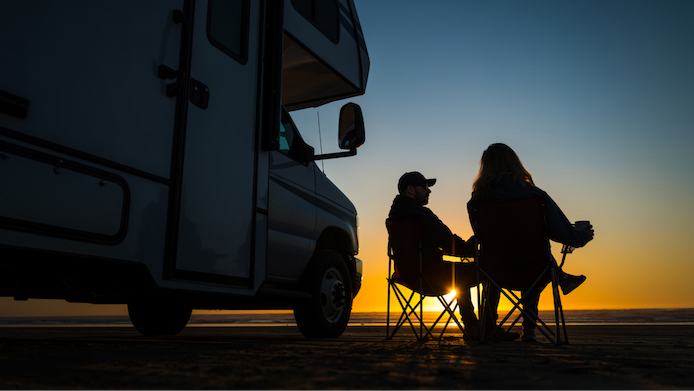
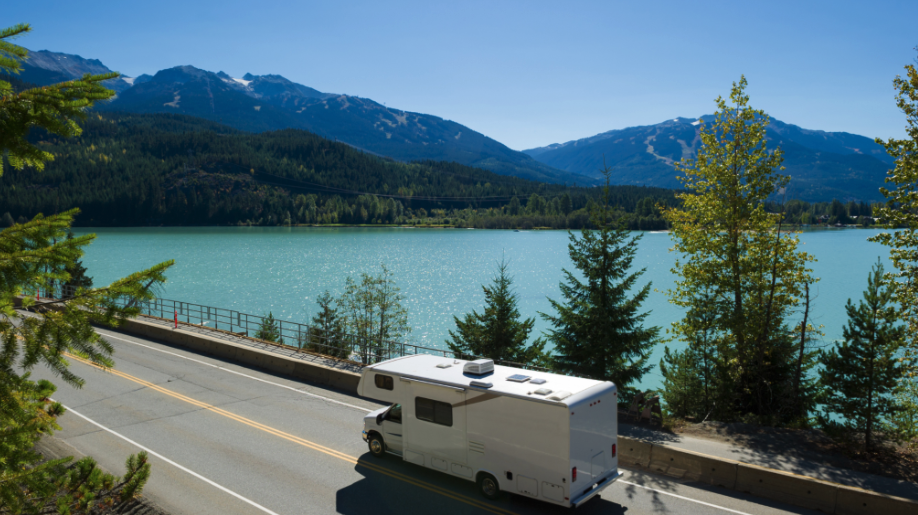
There’s nothing quite like loading up the RV and pointing it toward the mountains or the coast for a summer trip. But before you pull out of the driveway, it’s worth asking a question a lot of owners skip: is your RV actually insured the way you think it is?
Here’s what surprises people. An RV isn’t always covered the same way as your regular car, and a motorhome, a travel trailer, and a fifth wheel can each be treated differently. As summer travel season ramps up, this is the kind of thing we’d rather sort out with you before you’re on the road.
Let’s walk through what RV insurance generally covers, what to check before your next trip, and how we help owners in the Southeastern United States get on the road properly protected.
We shop coverage for everything from your daily driver to specialty vehicles like motorcycles, golf carts, and travel trailers on our auto insurance page.
Quick Answer: Is Your RV Properly Insured for Summer Travel?
Maybe, but it’s worth confirming before you travel. In general:
- A motorhome you drive typically needs its own auto policy
- A towable trailer, like a travel trailer or fifth wheel, can sometimes be added to your personal auto policy for liability only, and only if the tow vehicle is listed on that policy and the trailer is used for personal, non-commercial travel
- Physical damage coverage for the trailer itself, and coverage for belongings inside it, often has to be handled separately from your auto policy, and the exact setup depends on your carrier
- Coverage overall usually can include liability, collision, and comprehensive, similar to auto, plus RV-specific options like vacation liability and roadside assistance
- If you live in or travel through multiple states, it’s smart to confirm how your coverage applies across state lines
The best way to know you’re covered is a quick conversation with a local agent before the trip, since coverage, terms, and availability vary by policy, carrier, and state, and your actual policy language governs.
What Does RV Insurance Generally Cover?
RV coverage often looks a lot like auto coverage at its core, with liability for injuries or damage you cause to others, plus collision and comprehensive for damage to the RV itself. Because an RV is also a place you stay, many policies offer add-ons you won’t find on a standard car policy, like coverage for the contents inside or vacation liability. What’s right for you depends on how you use the RV, how often, and whether you travel a few weekends a year or live in it seasonally. We’ll help you sort through the options so the policy matches how you actually travel.
The North Carolina Department of Insurance explains that a personal auto policy generally covers you or a family member while using a covered automobile or trailer, with additional coverage options available depending on the vehicle and carrier.
Is a Towable Trailer Covered the Same as a Motorhome?
Not necessarily, and this is where coverage gaps tend to hide. As we mentioned above, a self-propelled motorhome generally needs its own auto policy. A travel trailer or fifth wheel can sometimes be covered for liability under the tow vehicle’s personal auto policy, but only if that vehicle is listed on the policy and the trailer is being used personally, not for business. Liability is also usually where that coverage stops. It typically doesn’t extend to physical damage to the trailer itself or to your belongings inside or attached to it, and whether that gap gets filled through your auto policy or a separate policy depends on your carrier.
In North Carolina, additional coverage is generally available for travel trailers and similar vehicles beyond the basics, though specifics vary by carrier, so it’s worth checking exactly how yours is set up. If you’ve assumed your auto policy stretches to cover everything, that’s the kind of assumption worth confirming before havoc, not after.
Before you hit the road
Not sure your RV is covered for summer?
As an independent agency, we’ll review how you use your RV and shop multiple carriers to find the right coverage at the best price. Let’s make sure you’re protected before the trip.
Get a Free Quote
When Should You Review Your RV Coverage?
The best time to check is before travel season, not on the side of the highway. Good moments to review include buying a new or used RV, taking your first big trip of the year, planning to cross state lines, or adding gear and upgrades that raise the RV’s value. Since we’re licensed throughout the Southeast and live right here in the region, we can help you think through how your coverage travels with you, whether you’re headed to the mountains or staying close to home near Wilmington.
When you call us, you reach a real, licensed person who lives right here in our community, not a call center — meet our team.
Call Cavik Before You Make Your Way Out of Town
A summer road trip should be about the destination, not a coverage surprise. If you’re not sure where your RV policy stands, we’re glad to take a look and walk you through it so you can travel with peace of mind.
Before havoc, call Cavik. Serving Southeast: NC, SC, TN & VA.
Let’s get your RV road-ready before summer.
We’re a local, independent agency that shops multiple carriers so you get the right RV and auto coverage at the right price, from real people who pick up the phone. Reach out for a free quote.
Get a Free Quote
Or call us at (910) 722-3225
Read more
2 months ago
·
by
alexkc13 ·
Comments Off on What Does an Independent Insurance Agent Actually Do?
Every insurance company out there promises the same three things: the best coverage, the best price, and the fastest quote. When every ad sounds identical, it’s genuinely hard to know who’s actually looking out for you and who’s just trying to sell you their one product.
That’s where an independent agent comes in, and it’s the heart of how we work. As an independent agency, we’re not tied to a single insurance company. We represent many carriers, which means we can compare your options across more than one and bring you coverage that fits your home, car, boat, business, and budget, not whatever one company happens to sell.
July feels like the right month to talk about this. It’s when we celebrate independence as a country, so we’re leaning into what independence means for your insurance too: the freedom to compare, to ask questions, and to choose coverage that actually fits your life instead of settling for a one-size-fits-all policy. Let’s walk through what an independent insurance agent actually does, how we help you compare more than just price, and why having a real local person in your corner makes a difference across the Southeast.
We help clients compare homeowners, renters, landlord, condo, flood, and multi-family options across the Carolinas and Southeastern United States.
Quick Answer: What Does an Independent Insurance Agent Do?
An independent insurance agent represents multiple carriers instead of just one, so we can shop your coverage and help it fit your real life. In practice, that means we help you:
- Compare policies from different carriers side by side
- Understand your coverage options in plain language
- Review your deductibles and limits so they match your risk
- Update your policies after life changes
- Ask the right questions before a claim ever happens
- Keep your personal and business coverage organized under one agency
Instead of selling one company’s policy, we can look across many. That gives you more room to compare coverage, price, and fit, and it’s the whole point of working with an independent agency.
Trusted Choice explains that independent insurance agents represent several carriers rather than a single company, so they can help you compare coverage for home, auto, and more.
We Help You Compare More Than Price
A cheap policy isn’t always the right policy. The lowest number on the page can hide gaps that only show up at claim time, which is the worst possible moment to learn what you didn’t buy. When we shop your coverage, we look at the details that actually matter:
- Liability limits
- Deductibles
- Exclusions
- Replacement cost
- Coverage for valuables
- Water, wind, hail, and flood concerns
- Business coverage needs
The goal is simple: make sure you’re not overpaying for coverage you don’t need, and not underinsured where it counts.
We Match Coverage to Your Real Life
Insurance should fit the way you actually live and work. A family with teen drivers in Fayetteville, a homeowner near Carolina Beach, a boat owner, a landlord in Leland, and a Wilmington business owner all need very different things. As an independent agency, we can connect the dots across your home, auto, watercraft, flood, umbrella, and business policies, so one life change doesn’t leave a gap somewhere else.
That’s especially helpful when one decision ripples across several policies, like buying a boat, adding a driver, or turning a home into a rental.
We help customize auto coverage for liability, uninsured and underinsured motorist protection, collision, towing, and rental car needs. We also work with multiple carriers to help cover watercraft, physical damage, liability, and medical payments for boats of all sizes.
Let’s review your coverage
Want options instead of a one-size-fits-all policy?
As an independent agency, we’ll shop multiple carriers across the Southeast to find the right coverage at the best price for your situation. Reach out and we’ll take a look together, no pressure.
Get a Free Quote
We Support Business Owners, Too
Business insurance can be even harder to compare on your own, because every business carries different risks. Coverage might include commercial auto, property, general liability, workers’ compensation, equipment, flood, wind and hail, or umbrella protection. We help business owners think through what they own, how they operate, who they serve, and where the gaps might be.
That gets more important as a business grows, hires employees, buys equipment, or opens a new location. We can review it all under one roof, alongside your personal coverage.
We help businesses review commercial auto, workers’ compensation, property, wind and hail, flood, business interruption, liability, umbrella, and equipment-in-transit coverage.
We’re Here When Your Policies Need to Change
Insurance isn’t a one-time decision. Policies need updating when you move, buy a car, start a business, add a driver, renovate, or buy a boat. Our client center gives you one place to request changes, pay your bill, access carrier resources, and file claims, so the moving pieces feel less scattered. Having one agency help organize all of it is part of what we mean when we say no policy is duplicated.
We Give Local Guidance
An online quote can be fast, but it usually won’t explain your local risks. Here in the Southeast, that means thinking carefully about property exposure, flood insurance, wind and hail, renters and landlord coverage, boats, and business protection. We live and work in the Leland, Carolina Beach, Fayetteville, and greater Wilmington area, so we understand those regional concerns firsthand, and that local knowledge is a big reason local real estate agents and mortgage lenders send their clients our way.
The NAIC’s guide to choosing an insurance agent notes that with an independent agent, you’ll have choices of companies and coverages to evaluate against your actual needs.
Make Insurance Feel Less Like Guesswork
At the end of the day, an independent agent helps you compare carriers, understand your options, update your coverage, and ask better questions. The value isn’t just getting a quote, it’s having a real, local person help match your coverage to your life. If it’s been a while since anyone looked at your policies, we’d love to take a look.
Before havoc, call Cavik. Serving the Southeast: NC, SC, TN & VA.
Let’s put your insurance back in your hands.
We’re a local, independent agency that shops multiple carriers so you get the right coverage at the right price, from real people who pick up the phone. Reach out for a free quote or a quick coverage review.
Get a Free Quote
Or call us at (910) 722-3225
Read more
2 months ago
·
by
alexkc13 ·
Comments Off on Water Damage vs. Flood Damage: What Insurance Actually Covers
Water damage and flood damage sound like the same thing, but insurance usually treats them very differently. A burst pipe, a leaking appliance, a sewer backup, a storm surge, and rising floodwater may all involve water, yet they may not fall under the same policy.
That difference matters for homeowners, renters, landlords, and coastal property owners in North Carolina and South Carolina, especially once summer storm season arrives.
At Cavik Insurance, we help clients review home, renters, flood, boat, auto, and business insurance coverage options for property, liability, flood concerns, and personal belongings.
Quick Answer: What is the Difference Between Water Damage and Flood Damage?
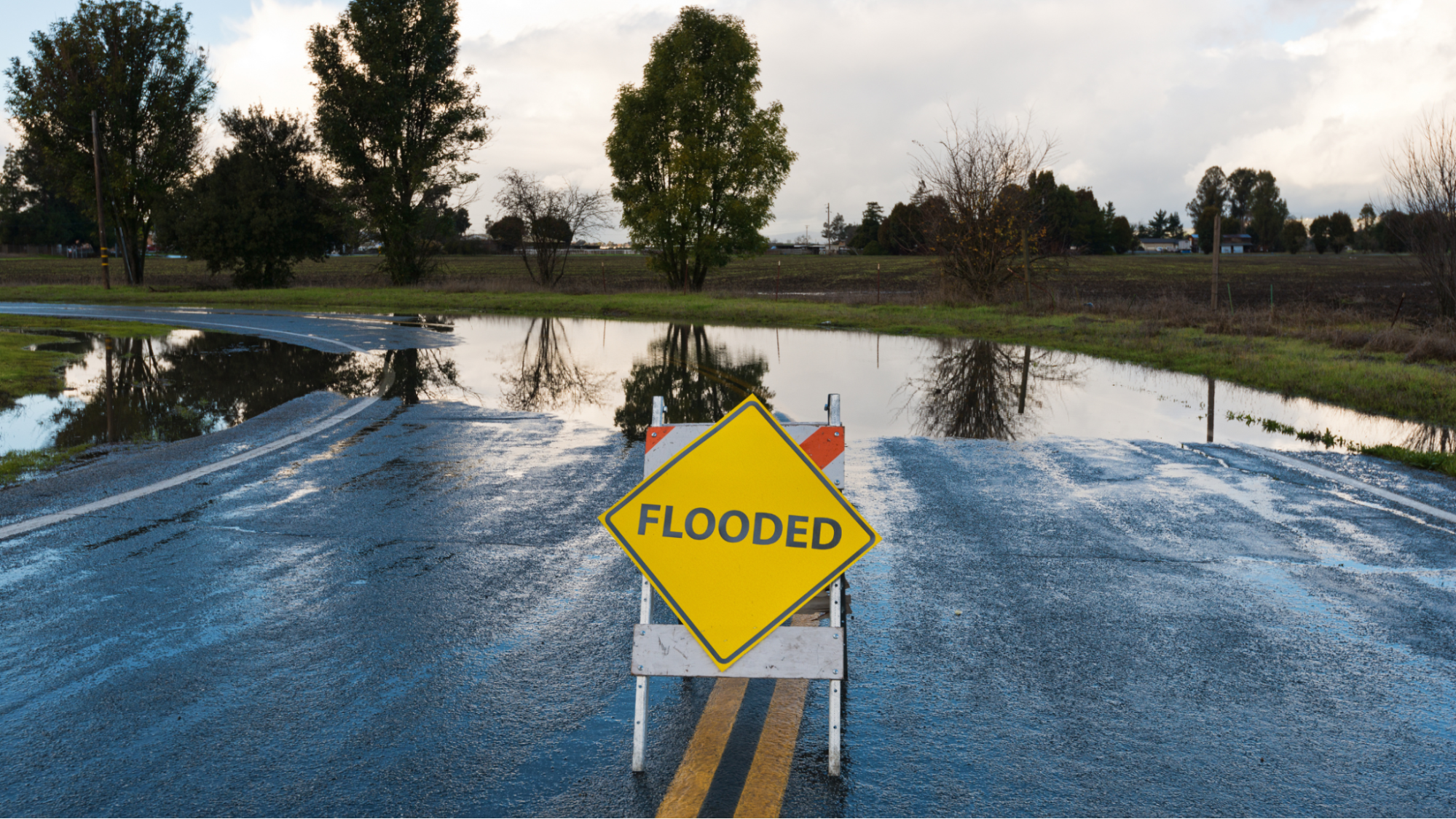
Water damage usually refers to sudden and accidental water problems that start inside the home, like a burst pipe, an overflowing appliance, or a plumbing leak. Flood damage usually refers to rising water that comes from outside the home, such as storm surge, heavy rain runoff, overflowing rivers, or coastal flooding.
Standard homeowners insurance may cover certain types of sudden water damage, but flood damage usually requires a separate flood insurance policy. The thing to remember is not to wait until a storm is on the forecast to check your coverage, because flood policies may have waiting periods before they take effect.
As FloodSmart explains, flood insurance can help cover damage from floods, which are usually not covered by standard homeowners insurance.
What Homeowners Insurance May Cover
A homeowners policy may help with certain sudden and accidental water damage, depending on the policy. Common examples can include a burst pipe, an overflowing washing machine, sudden appliance leaks, water damage from a covered roof issue, or accidental plumbing discharge.
Whether something is covered can depend on the cause of the damage, how quickly it was addressed, the policy language, and whether maintenance or neglect played a role.
Slow leaks, long-term seepage, mold, and ignored maintenance issues may be limited or excluded altogether. We get into this in our article on how plumbing issues, sewer backups, clogged pipes, and improper flushing can lead to costly water damage and insurance claims.
Prevention Matters, Even When Coverage Differs
Homeowners insurance and flood insurance may respond differently depending on where the water came from, but preventive steps can still reduce damage from plumbing leaks, appliance leaks, sewer backups, and some interior water issues.
A few habits worth building in:
- Install leak sensors in high-risk areas like under sinks, near water heaters, behind washing machines, near dishwashers, and around refrigerator water lines.
- Consider an automatic water shutoff device, especially for second homes, rental properties, coastal properties, or homes left vacant during travel.
- Review water backup coverage, flood insurance, and leak detection discounts before summer storm season.
- Ask whether your insurance carrier recognizes certain water leak detection devices or shutoff systems.
Just keep in mind that leak sensors may help with interior water issues, but they do not replace flood insurance for rising water, storm surge, or outside flooding.
As one example of how these systems work, AWTOS is a smart home safety system that monitors water flow in real time and can automatically shut off the water if a leak is detected.
What Flood Insurance is For
Flood insurance is usually for water that enters the home from outside, ground-level flooding. That can include damage from storm surge, heavy rainfall, overflowing rivers or streams, coastal flooding, and water pooling and entering from the ground.
This is especially worth thinking about for homeowners near the coast, rivers, marshes, low-lying neighborhoods, or areas that have seen drainage problems. And even if your lender does not require flood insurance, it can still be smart to review the risk.
FEMA explains that flood insurance helps protect homeowners, renters, and businesses from flood-related losses that standard policies often do not cover.
Why Coastal Homeowners Should Pay Attention
Homeowners in North Carolina and South Carolina can face water risk from several directions at once. A single summer storm may bring roof leaks, plumbing stress, wind-driven rain, drainage problems, and flooding.
The confusing part is that two neighbors can both end up with water damage, yet their claims may be handled very differently based on where the water came from. That is why it helps to review your home insurance, flood insurance, wind and hail exposure, and deductibles before hurricane season is underway.
Our post on coverage gaps, flood insurance, exclusions, and policy details walks through why those details matter before disaster strikes.
Sewer Backup is Its Own Conversation
Sewer backup and drain backup can be messy, expensive, and genuinely confusing when it comes to coverage. Some homeowners assume it is automatically included, but many policies require a separate endorsement or come with specific limits.
This can come into play if water backs up through a toilet, shower, floor drain, or sewer line. It is worth asking your agent whether sewer backup or water backup coverage is included, excluded, limited, or available as an add-on. The Insurance Information Institute points out that sewer backup damage is not always covered by standard homeowners or renters insurance and may require extra coverage.
What Renters and Landlords Should Know
Coverage looks different depending on your role in a property. Renters may need coverage for personal belongings if water damages furniture, clothing, electronics, or valuables. Landlords may need coverage for the structure, liability, loss of rental income, and damage tied to covered causes.
Condo owners have their own wrinkle to sort out, since they need to understand where the building’s master policy ends and their own policy begins. In every case, the goal is the same: know who is responsible for what before damage happens, not after.
What to Do Right After Water Damage Happens
A quick, steady response protects both your home and any claim you may need to file:
- Stop the water source if it is safe to do so.
- Call a plumber, restoration company, or emergency service when needed.
- Take photos and videos before cleanup begins.
- Save receipts for emergency repairs, cleanup, hotel stays, or supplies.
- Contact your insurance company or agent quickly.
- Avoid throwing away damaged items until the claim process is clear.
If you are a current client and need to file a claim or ask a policy question, our client center is set up to help you make payments, file claims, request changes, and get support.
Questions to Ask Before Summer Storm Season
A few minutes of questions now can save a lot of uncertainty later. Before the next storm, it helps to know:
- Do I have flood insurance?
- Does my policy cover sudden plumbing water damage?
- Do I have sewer backup coverage?
- Are there mold limits or water damage exclusions?
- Are my deductibles different for wind, hail, flood, or named storms?
- Are my personal belongings covered at replacement cost or actual cash value?
- Do I need coverage for a rental property, condo, boat, or business?
These questions can be the difference between “I have insurance” and “I have the right insurance for this situation.” If you want a hand thinking through them, you can learn more about your local Cavik Insurance team and how we help.
Know the Difference Before the Water Shows Up
Water damage and flood damage are not the same in the insurance world. A burst pipe, a sewer backup, a roof leak, a storm surge, and rising floodwater can all trigger different coverage questions, and the answers depend heavily on where the water came from.
The best time to review your policy is before hurricane season, pool season, boat season, or the next round of heavy summer rain. Cavik Insurance helps clients across North Carolina and South Carolina compare coverage, spot gaps, and prepare before havoc has a chance.
Not sure if your home is protected from plumbing leaks, flood damage, sewer backup, or summer stormwater issues? Contact Cavik Insurance for a coverage review before the next storm rolls in.
Read more
2 months ago
·
by
alexkc13 ·
Comments Off on Small Plumbing Leaks That Can Cause Big Insurance Problems
Plumbing leaks have a way of staying quiet until the damage is already expensive. A slow drip under the sink, a worn washing machine hose, a leaking water heater, or a toilet that keeps running can feel like minor annoyances at first.
Given enough time, though, those small problems work their way into floors, walls, cabinets, ceilings, insulation, and the belongings you keep in your home. A few minutes of attention now can save you a stressful repair later.
We help homeowners, renters, landlords, condo owners, and multifamily property owners across the Southeast look at coverage options for property, liability, flood concerns, and personal belongings.
Quick Answer: Are Plumbing Leaks Covered by Homeowners Insurance?
Homeowners insurance may cover sudden and accidental water damage from plumbing, but it usually does not cover damage caused by long-term neglect, slow leaks, or poor maintenance. A burst pipe and a slow leak behind a wall can be treated very differently by an insurance company.
That is why it helps to check for leaks early, understand what your policy actually says, and ask about water backup, appliance leaks, mold limits, and coverage limits before damage happens.
The numbers back this up: EPA WaterSense notes that the average household’s leaks can waste nearly 10,000 gallons of water a year, which shows how quickly a small drip adds up.
The Leaks Homeowners Often Miss
Some plumbing leaks announce themselves. Many more start in places you do not look at every day.
Common hidden leak spots include:
- under sinks
- behind toilets
- around water heaters
- behind washing machines
- near dishwashers
- around refrigerator water lines
- in crawl spaces
- behind walls and ceilings
The warning signs can be just as easy to overlook. Musty smells, warped flooring, peeling paint, soft cabinets, water stains, a higher-than-usual water bill, or the sound of running water when everything is turned off can all point to hidden plumbing leaks.
Catching these early gives you a chance to act before the damage spreads. We get into this further in our article on how plumbing issues, clogged pipes, sewer backups, and improper flushing can lead to costly water damage and insurance claims.
How to Keep Small Leaks From Becoming Big Claims
A short monthly routine goes a long way. Walk through your home and check the usual suspects: under sinks, behind toilets, near the water heater, behind the washing machine, around the dishwasher and refrigerator water lines, in crawl spaces, and near the sump pump. While you are at it, keep an eye out for early warning signs like musty smells, rust, soft cabinets, or running-water sounds.
A few other habits make a real difference:
- Replace aging washing machine hoses and worn appliance connections before they fail.
- Find your main water shutoff valve and make sure everyone in the house knows how to use it.
- Turn off the water supply before vacations or long stretches away from home.
- Consider smart water leak sensors or an automatic water shutoff system, especially if you travel often or leave the home vacant for long stretches.
It is also worth asking your agent whether any carriers offer discounts or benefits for approved leak detection sensors or automatic water shutoff devices. Discounts vary by carrier, policy, state, and device, so the answer depends on your situation.
Why Sudden Damage and Slow Damage Are Not the Same
When it comes to water damage insurance, how the damage happened often matters as much as the damage itself. Sudden and accidental damage may be handled differently than gradual damage. A pipe that bursts out of nowhere can be treated very differently from a pipe that has been leaking quietly for months.
The takeaway: do not assume every plumbing issue is automatically covered. The safest move is to ask how your policy handles plumbing leaks, appliance leaks, mold, water backup, and long-term seepage. The North Carolina Department of Insurance encourages homeowners to talk with their agent or insurance company about specific coverage, exclusions, and whether separate policies may be needed.
Appliances Can Create Water Damage Fast
Washing machines, dishwashers, refrigerators, ice makers, and water heaters all rely on hoses, valves, seals, and connections, and any of those can fail. When they do, a small appliance leak can spread into flooring, cabinets, drywall, and nearby rooms before anyone notices.
Checking your appliance connections regularly and replacing worn hoses early are two of the simplest ways to avoid that surprise. If you are heading out of town, it may also be worth shutting off the water supply to certain appliances or at the main valve, depending on your setup.
Interior water damage is no small issue either: the Insurance Institute for Business & Home Safety points out that it remains one of the most consistent sources of residential insurance claims and losses.
Water Backup Deserves Its Own Question
Sewer backup and drain backup can create major cleanup headaches, and this is one area where homeowners often get caught off guard. Some assume backup coverage is part of a standard home insurance policy, but it may require a separate endorsement or come with a lower limit.
It is worth asking directly whether your policy includes water backup coverage for drains, sewer lines, toilets, showers, and floor drains. That question matters even more before summer storms, heavy rain, travel season, or the busier months when you have more guests in the home.
Our post on coverage gaps, flood insurance, exclusions, and policy details explains why it pays to pay attention before disaster strikes.
What to Do When You Find a Leak
If you spot a leak, a calm and quick response protects both your home and any claim you may need to file:
- Shut off the water source if it is safe to do so.
- Call a plumber when you cannot stop the issue quickly.
- Take photos and videos before you start cleaning up.
- Save receipts for emergency repairs, supplies, hotel stays, or restoration work.
- Contact your insurance company or agent as soon as possible.
- Hold off on throwing damaged items away until the claim process is clear.
The American Red Cross also recommends turning off the water at the main valve and calling a plumber if your water pipes are damaged.
Review Your Coverage Before the Leak Becomes Havoc
A quick coverage review answers the questions that tend to come up at the worst possible moment. Before you ever have a leak, it helps to know:
- Does my policy cover sudden plumbing water damage?
- Are slow leaks or seepage excluded?
- Do I have water backup coverage?
- Are mold claims limited?
- What deductible would apply?
- Are my belongings covered at replacement cost or actual cash value?
- Do I need flood insurance too?
Knowing the answers is a lot more comfortable than guessing. If you want help walking through your policy, our client center is here for current clients who need to make payments, file claims, request changes, or get support with policy questions.
Catch the Drip Before It Turns Into Damage
Plumbing leaks are easy to ignore right up until they damage the parts of your home you count on every day. Checking the common leak spots, learning how water backup works, and reviewing your homeowners insurance can leave you far more prepared before a small drip becomes a bigger repair.
As an insurance agency serving North Carolina and South Carolina, Cavik Insurance helps clients compare coverage, ask better questions, and get ready before havoc has a chance.
Not sure how your homeowners insurance handles plumbing leaks, water backup, or hidden water damage? Contact Cavik Insurance for a coverage review, and let’s make sure you know what to expect before a small drip turns into a bigger problem.
Read more

3 months ago
·
by
alexkc13 ·
Comments Off on Summer Fun at Home? Check Your Liability Coverage First
Summer is when backyards get busy. Friends come over for cookouts, kids jump on trampolines, neighbors stop by for pool parties, and dogs run around while everyone enjoys the weather.
It’s all fun until someone gets hurt.
A guest slips near the pool. A child falls off a trampoline. Your dog bites someone by accident. A grill is placed too close to the house and causes damage. These are the kinds of moments homeowners do not always think about until they happen.
That is why May is a smart time to review your home insurance liability coverage. Before summer plans fill the calendar, it helps to know what your policy may cover, where limits apply, and whether extra protection makes sense for your household.
Cavik Insurance helps homeowners and renters in North Carolina and South Carolina compare home and renters insurance options, so coverage can match real life at home.
Quick Answer: Does Home Insurance Cover Summer Party Liability?
Homeowners insurance may help cover certain liability claims if someone is injured on your property or if you are found responsible for damage to someone else’s property. However, coverage depends on your policy, limits, exclusions, and the details of the claim.
If you have a pool, trampoline, dog, frequent guests, or backyard events, it’s worth reviewing your personal liability coverage before summer begins.
Personal liability coverage is the part of a homeowners or renters policy that may help with legal, medical, or repair costs if you are found responsible for someone else’s injury or property damage. Farmers explains that personal liability coverage is typically part of a homeowners or auto policy and may help cover another person’s medical or legal costs when you are at fault.
Pool Parties Can Bring More Than Summer Fun
A pool is great for summer gatherings, but it also creates risk. Wet surfaces, excited kids, crowded patios, and guests moving in and out of the house can all increase the chance of an accident.
Even a small pool party can raise insurance questions. What happens if someone slips on the deck? What if a child is injured while swimming? What if a guest damages your property or another person’s belongings while visiting?
If you have a pool, your insurance company may have specific requirements around fencing, gates, locks, diving boards, slides, or supervision. Some policies may also treat pools differently depending on the setup.
Before hosting summer pool days, homeowners should check whether their liability limits still feel realistic. If the answer is “I’m not sure,” that is a good reason to review your policy.
Trampolines Can Create Coverage Questions
Trampolines are fun, but they are also one of the first things homeowners should mention during an insurance review.
Some insurance carriers may cover trampolines only if certain safety measures are in place. Others may exclude trampoline-related injuries or have stricter rules. That is why it is risky to assume your policy will automatically respond if a child gets hurt while jumping.
If you have a trampoline, check your policy and ask about requirements like safety nets, padding, placement, and supervision. It is also smart to think about who uses it. Your own children are one thing, but neighborhood kids, party guests, and visiting relatives can change the liability conversation.
This does not mean you have to cancel the fun. It just means your coverage should match what is actually happening in your backyard.
Dog Bites and Animal Liability Matter More Than People Think
Even friendly pets can react unexpectedly when the house is full of guests. Loud kids, unfamiliar visitors, food, open gates, and backyard excitement can make animals nervous.
Dog bites and animal liability claims can be expensive. The Insurance Information Institute reported that dog bite and other dog-related injury claims cost homeowners insurers $1.862 billion in 2025, with 28,450 claims nationwide.
The CDC also recommends supervising young children around dogs, even trusted family pets.
If your dog will be around guests this summer, it is worth checking how your home insurance handles animal liability. Some policies may have breed restrictions, bite history rules, or exclusions. Others may provide coverage up to certain limits.
A quick insurance review can help you avoid surprises, especially if you host often or have a dog that gets nervous around visitors.
Backyard BBQs Need a Safety Check Too
Grilling feels like one of the simplest parts of summer, but it can still create fire and injury risks. A grill placed too close to the house, under an overhang, near dry landscaping, or beside deck railings can turn a casual cookout into a claim.
The National Fire Protection Association shares useful grilling safety guidance to help reduce fires, burns, and property damage. NFPA data has also shown that U.S. fire departments responded to an annual average of more than 11,000 home fires involving grills, hibachis, or barbecues from 2017 to 2021.
Before hosting a BBQ, place the grill on a stable surface away from the home, railings, trees, umbrellas, and heavy foot traffic. Keep children and pets away from the cooking area, and make sure someone is watching the grill while it is in use.
Insurance matters, but prevention matters too.
When Umbrella Insurance May Be Worth Reviewing
Homeowners insurance includes liability limits, but those limits may not be enough for every situation. If a claim is larger than your policy limit, you could be responsible for the remaining cost.
That is where umbrella insurance may help. Umbrella insurance adds another layer of liability protection above certain underlying policies, such as home or auto insurance. Investopedia explains that umbrella insurance provides coverage beyond the limits of homeowners, auto, or watercraft policies and is often purchased in $1 million increments.
Umbrella coverage may be worth discussing if you have:
- A pool
- A trampoline
- A dog
- Frequent guests
- Teen drivers
- A boat, RV, or golf cart
- Higher savings or assets to protect
- Regular gatherings at your home
You may not need it, but it is worth asking about before summer gets busy.
What Homeowners Should Review Before Hosting Summer Events
You do not need to become an insurance expert before inviting people over. You just need to know where your coverage stands.
Before summer gatherings begin, ask:
- What are my personal liability limits?
- Does my policy mention pools, trampolines, or other backyard features?
- Are dog bites or animal-related injuries covered?
- Are there exclusions I should know about?
- Would an umbrella policy make sense for my household?
- Do I need to update my policy after adding a pool, grill area, fence, deck, or outdoor structure?
If you are unsure, Cavik Insurance can help review your current coverage and compare insurance options for homeowners and renters in North Carolina and South Carolina.
Keep the Fun, Lower the Risk
Summer should feel relaxing, not stressful. Pool parties, trampolines, pets, and backyard BBQs are part of what makes the season fun, but they also bring real liability questions for homeowners.
The best time to check your coverage is before guests arrive, not after someone gets hurt.
If your summer plans include hosting friends, family, neighbors, or kids at your home, now is a good time to review your policy. Contact Cavik Insurance or visit the client center to request a policy change, ask a coverage question, or make sure your home insurance is ready for summer.
Read more
3 months ago
·
by
alexkc13 ·
Comments Off on Do You Need Better Car Insurance Before Summer Travel?
Summer has a way of putting extra miles on your car. Between beach trips, weekend getaways, family visits, road trips, and busy schedules, many drivers spend more time on the road than they do during the rest of the year.
That makes the start of Summer a smart time to ask a simple question: Does your car insurance still fit the way you drive?
Car insurance is not something drivers should only think about when buying a car. A policy that worked last year may not fit your current routine, especially if you have a new commute, a teen driver, a paid-off vehicle, a vacation planned, or a new RV ready for summer travel.
For drivers in North Carolina and South Carolina, Cavik Insurance helps compare auto insurance options for personal and commercial policies, so your coverage can match your real life before the busy travel season begins.
Quick Answer: How Do I Know If I Need Better Car Insurance?
You may need better car insurance if your current policy no longer matches your car, driving habits, household, budget, or travel plans.
That does not always mean you need the most expensive policy. It means your coverage should make sense for how often you drive, where you drive, who is behind the wheel, and how much you could realistically pay out of pocket after an accident.
Strong signs it may be time for a policy review include:
- You are driving more often for summer travel
- You added a driver or vehicle
- You bought, financed, leased, or paid off a car
- You have an RV, camper, golf cart, or off-road vehicle
- You are not sure what your deductible covers
- You only carry the minimum required coverage
- You would struggle to pay accident costs out of pocket
The North Carolina Department of Insurance explains that North Carolina requires liability coverage and uninsured motorist coverage, while certain other coverages may be optional depending on the policy. South Carolina also requires drivers to carry liability and uninsured motorist coverage to drive legally, according to the South Carolina Department of Insurance.
Are You Driving More Than Usual This Summer?
A policy that worked for quick errands and a short commute may not feel like enough when summer travel begins.
More time on the road can mean more exposure to accidents, bad weather, theft, breakdowns, and uninsured or underinsured drivers. Even if you are a careful driver, busy highways and vacation traffic can add risk.
This is especially true if you are planning longer trips across North Carolina, South Carolina, or nearby states. Beach drives, mountain weekends, campgrounds, and family vacations can all add miles quickly.
Before travel picks up, it’s worth reviewing your liability limits, deductibles, collision coverage, comprehensive coverage, and roadside assistance options. Drivers may want to consider options such as collision, towing, and rental car coverage, depending on their needs. Carriers now pull mileage records from inspections completed and can ask for proof of mileage driven if the policy records do not match what the carrier pulls
Do You Have an RV, Camper, or Summer Vehicle?
If you have an RV, camper, off-road vehicle, classic car, or golf cart, do not assume your regular auto policy automatically covers it the way you need.
Summer vehicles often come with different risks than a daily driver. An RV may be used for long road trips, overnight stays, campgrounds, towing, and personal belongings. A golf cart may be used around a neighborhood, beach community, or vacation property. A classic car may only be driven seasonally, but still needs the right protection.
This is where a policy review can help. The goal is to make sure every vehicle you plan to use this summer is properly listed and insured before you hit the road.
If you recently bought a new summer vehicle or pulled one out of storage, now is the time to check the details, not after a claim.
Did You Add a Driver or Vehicle?
Adding a driver can change your coverage needs, especially if that driver is a teen, a college student, a spouse, a relative, or someone who drives only occasionally.
Summer can make this even more relevant. Teens may be out of school and driving more often. College students may be home and using a family vehicle. Relatives may borrow a car during visits. Families may add another car to make summer schedules easier.
Adding a vehicle also brings up questions about liability limits, collision coverage, comprehensive coverage, deductibles, and whether the car is financed or leased. If your household has changed, your policy should reflect that.
Drivers in North Carolina, South Carolina, Virginia, and Tennessee can request a quote from Cavik Insurance to compare options based on their current vehicle, drivers, and budget.
Are You Only Carrying the Minimum?
Minimum coverage may keep you legal, but it may not be enough for every accident.
This is one of the biggest auto insurance mistakes drivers make. They choose the lowest required coverage, then assume they are fully protected. In reality, a serious accident can create costs that go beyond minimum limits.
Depending on your policy, important coverage types may include liability, collision, comprehensive, uninsured motorist, underinsured motorist, and medical payments when available. Your needs may also change if your car is newer, financed, leased, used for work, or driven more often during the summer.
The Insurance Information Institute explains that auto insurance policies typically include different types of coverage, and drivers should understand what each part of the policy does before choosing limits.
Would Your Deductible Be Hard to Pay?
A lower monthly premium can feel helpful, but the deductible matters when a claim happens.
If you were in an accident tomorrow, could you comfortably pay your deductible? Would it strain your budget? Would a higher deductible still make sense if your car needed repairs during a vacation week?
These are practical questions, especially before summer travel. A policy that saves a little each month may not feel like the right fit if the out-of-pocket cost is stressful after an accident.
A car insurance review can help you balance monthly cost with claim-time comfort. Better coverage is not always about paying more. It is about choosing a policy that fits your vehicle, savings, and risk level.
Has It Been More Than a Year Since You Reviewed Your Policy?
Car insurance should be reviewed when life changes, but an annual check is helpful even when nothing major has happened.
Vehicles age, commutes change, drivers move, teen drivers get licensed, cars get paid off, repair costs rise, vacation plans change, and discounts may become available. Coverage that made sense last year may need a small update now.
A yearly review can help catch outdated vehicles, missing drivers, coverage gaps, discount opportunities, and deductibles that no longer fit.
If you are already a Cavik policyholder, the client center allows you to pay a bill, file a claim, or request a policy change. Ready to start? Contact us.
Read more
4 months ago
·
by
alexkc13 ·
Comments Off on What Does a Lower Premium Actually Mean for Your Coverage?
Everyone wants to save money on monthly expenses. When it comes to protecting your home, business, or vehicles, it is natural to compare premiums and look for the best price.
But the lowest premium is not always the same thing as the best overall value.
Sometimes a competitively priced policy from a national carrier is absolutely the right fit. Other times, a lower premium comes with lower limits, higher deductibles, narrower coverage, or exclusions that leave you taking on more risk than you realized. The real question is not just what the policy costs each month. It is whether the coverage is built for the losses you could actually face.
At Cavik Insurance, we help clients compare more than just price. We review replacement cost estimates, underwriting details, deductibles, endorsements, and policy forms so you can make an informed decision about coverage.
Quick Answer: Why Can A Lower-Priced Policy Cost More Later?
A lower premium can still lead to higher out-of-pocket costs if the policy includes:
- Lower limits than you really need
- Deductibles that shift more of the upfront cost to you
- Coverage exclusions or sublimits that narrow what is actually covered
- Actual cash value settlements instead of replacement cost in some situations
That does not mean the least expensive option is always the wrong one. It means the policy should be reviewed in context so you understand what you are buying and where any gaps may exist. Let’s delve into each of these answers in detail below
A Lower Premium Can Be Great, But The Coverage Still Has To Fit
Insurance is one of those things you probably do not think about much until something goes wrong. When the unexpected happens, your coverage is immediately put to the test.
Many families and business owners in the Wilmington area find out too late that their policy does not cover what they thought it did. They may discover that the plan excludes a certain type of damage, includes a deductible they were not prepared for, or simply does not provide enough financial support to make them whole again.
Reading through resources like the Cavik Insurance Blog can help you spot these issues before they become expensive surprises. At Cavik Insurance, we work to match coverage to your specific exposures. Completing replacement cost estimators, confirming underwriting questions, and reviewing policy forms are just some of the ways we help make sure the policy fits the risk.
The Biggest Issue: Being Underinsured
Being underinsured means your policy does not fully cover the cost of a loss. That can affect both homeowners and business owners, even if the exposures look different.
For a homeowner, underinsurance may mean the dwelling limit is too low to rebuild after a major claim. For a business owner, it may mean the policy does not fully account for the value of the building, business personal property, equipment, income loss exposure, or liability risk.
This issue is more common than many people realize. A recent survey cited by the Insurance Journal found that 74% of small businesses reported being underinsured, uninsured, or unsure whether their coverage was adequate.
When coverage falls short, the policyholder is responsible for the difference. Without the right protection strategy in place, that expense can become a major financial strain. For a business, it can affect payroll, operations, repairs, or reopening after a loss. For a homeowner, it can mean paying thousands out of pocket to restore the home properly.
Liability Claims Are Getting More Expensive
The real risk today is not just how often claims happen. It is how expensive they have become when they do happen.
With higher repair costs, medical bills, litigation expenses, and larger jury awards, even one liability claim can escalate quickly. Liability insurance may help cover damages owed to another party, but it can also involve defense costs and settlement pressure that grow faster than many policyholders expect.
Recent analysis from the Insurance Information Institute and Casualty Actuarial Society found that legal system abuse and related litigation trends contributed between $231.6 billion and $281.2 billion in increased liability insurance losses over the past decade.
That matters whether you are reviewing business liability, auto liability, or homeowners liability. A policy that looks fine on paper can feel very different once real claim costs enter the picture.
Lower Limits Equal Higher Risk
Liability limits determine the maximum amount your policy will pay for a covered loss. In some cases, a policy comes in at a lower premium because it carries more modest limits or fewer coverage enhancements.
That is not automatically the wrong choice. Sometimes those limits are fully appropriate for the client’s situation. The real issue is whether the limit is high enough for the actual exposure.
Once a claim exceeds the stated limit, the insurance company does not keep paying indefinitely. The remaining cost may fall back on the policyholder. With medical care, property repair, and legal settlements all becoming more expensive, the gap between a lower policy limit and the actual cost of a serious claim can be significant.
High Deductibles Shift The Cost To You
A deductible is the amount you agree to pay out of pocket before the insurance coverage begins paying on a covered claim. Depending on the policy, that deductible may be a flat dollar amount or a percentage.
For example:
- An auto collision claim might have a $500 deductible
- A wind or hail claim on a property policy might have a 1% deductible based on the dwelling limit
The NAIC explains that deductibles can be either a fixed dollar amount or, in some cases, a percentage of the home’s insured value. It also notes that higher deductibles can reduce premiums, but they increase what the insured has to pay when a claim happens.
A higher deductible can absolutely make sense in the right situation. But it should be a number you could realistically absorb if there is a loss. If the deductible is too high, even a covered claim can create immediate financial stress. In some cases, people end up paying so much out of pocket that filing a smaller claim hardly feels worthwhile.
Coverage Gaps Are Where People Get Burned
What is not covered by your policy matters just as much as what is covered.
Coverage gaps are one of the biggest reasons people are surprised after a loss. A policy can look solid at a glance and still include important limitations, exclusions, or sublimits that reduce how much help is actually available.
Some common examples to review include:
- Flood damage, which is not covered under a standard homeowners policy, and usually requires separate flood insurance
- Mold, which is often limited or excluded depending on the cause and policy language
- Water damage sublimits tied to older plumbing systems
- Roof payment schedules or actual cash value settlement on older roofs instead of full replacement cost
- Actual cash value coverage, which pays after depreciation, versus replacement cost coverage, which pays to repair or replace with like kind and quality without subtracting for depreciation
Underinsurance frequently happens because policyholders do not realize how actual cash value differs from replacement cost, a distinction explained well by Progressive Insurance. It also happens when people fail to update their protection strategy as their life or business grows.
What People Think They Are Buying vs. Reality
There is a dangerous assumption that simply having a policy means you are fully protected. In reality, your protection depends on the details: your limits, deductibles, endorsements, exclusions, and how the policy is actually written.
That is why working with an advisor matters.
This is not about assuming every policy from a national carrier is wrong, or that a lower-priced option is automatically a mistake. Cavik represents a range of carriers, including major national names, and in some cases the best-fit option may absolutely come from a larger carrier. The key is making sure someone walks you through your coverage needs, helps tailor the policy to your exposures, and identifies potential gaps before they become expensive surprises.
That is what independent guidance is supposed to do. It gives you a clearer picture of what your policy actually covers and what tradeoffs come with the premium you are paying.
Why This Matters More Now Than Ever
Insurance costs, repair bills, and legal expenses are rising across the board. Claims are more expensive to settle than they were even a few years ago, which means the difference between narrowly structured coverage and well-matched coverage can be much larger than people expect.
Because everything costs more to fix or replace, the margin for error is smaller. A coverage gap that felt manageable years ago may not feel manageable today.
What Smart Policyholders Do Differently
Smart policyholders focus on the actual coverage they are receiving, not just the price tag.
They take time to review:
- Liability limits
- Deductibles
- Exclusions
- Replacement cost versus actual cash value
- Changes in property value, business operations, or personal assets
They also adjust their policies when their assets increase, their risks change, or they experience major life events. Working with independent advisors, like the Cavik Insurance Team, ensures that these updates happen smoothly and accurately.
Securing Your Future Before the Unexpected Happens
The worst possible time to discover an issue with your coverage is right after you file a claim. At that point, the damage is done, and there is no way to go back and restructure the policy retroactively.
We help individuals and businesses across North and South Carolina understand their options, identify hidden gaps, and adjust their coverage before those gaps become a financial problem. Whether you need a review of your commercial risk or Home, Renters, or Landlord Insurance Services, our goal is to provide a full view of your protection.
Pay Less Now or Protect What Matters Most
A lower premium may save money today, but it can cost more later if a claim exceeds your limits, the deductible is higher than expected, or the loss falls into a gap in coverage.
That does not mean the least expensive policy is always the wrong choice. It means the best value comes from understanding what you are buying and choosing a policy that reflects what you own, what you could lose, and what you may be legally responsible for.
As your independent advisors, we do more than find a quote. We shop the market, compare the structure of coverage, and help build a protection strategy that balances value with the level of security you want.
Contact Cavik Insurance to schedule a thorough coverage review.
Read more
4 months ago
·
by
alexkc13 ·
Comments Off on Does Your Boat Insurance Actually Cover You? What Most Policies Miss
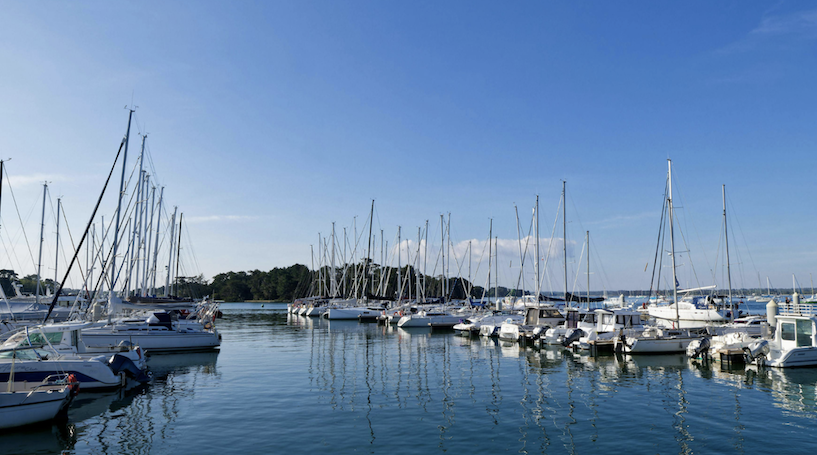
Warmer weather means boating season is back in the Wilmington area. For many families, that means pulling the boat out of storage and getting back on the water. But there is one thing most people do not think about before leaving the dock. They assume their insurance covers anything that goes wrong, often trusting basic policies without understanding their coverage in detail.
Most boats experience normal wear and tear over time, but insurance is not designed to cover that. It exists to protect you from unexpected events. Things like crashing into a dock, hitting another boat, liability claims from passengers, or hurricane damage are exactly when coverage matters. When those events happen, hidden gaps in your policy become incredibly expensive.
Boating Season is When Coverage Gets Tested
With more boats on the water and more passengers on board, the likelihood of unpredictable situations naturally goes up. According to the U.S. Coast Guard, thousands of boating accidents happen each year. These incidents frequently lead to injuries, fatalities, and major property damage. You can read more about recent statistics in the U.S. Coast Guard Boating Safety report.
Quick Answer: What Do Most Boat Policies Miss?
If you are wondering where policies usually fall short, here is a quick look at the most common gaps:
- Wear and tear, corrosion, and maintenance-related damage (never covered by insurance)
- Higher liability and medical payment limits
- Coverage for fishing equipment and personal items
- Hurricane haul-out coverage
- Full physical damage protection
- Certain types of storms or environmental damage
- Coverage based on how the boat is used, especially for commercial activities like rentals, offering charters, or fishing tournaments
What Boat Insurance Typically Covers
Before looking at the gaps, it helps to know your baseline protection. Most standard policies include physical damage to the boat, liability for injuries or property damage, theft or vandalism, and some emergency services. These protections are designed strictly for unexpected events. They do not cover long-term issues or preventable damage.
As independent advocates, we always recommend a thorough boat insurance review to ensure your baseline actually matches your needs.
What Most Policies Don’t Cover (This is Where Problems Start)
Wear, Tear, and Coastal Damage
This is one of the biggest surprises for boat owners. Insurance typically does not cover corrosion, rust, rot, or gradual deterioration. That is especially true in coastal areas like North Carolina, where salt air naturally accelerates damage to your vessel.
Mechanical Breakdowns and Maintenance Issues
If a part fails due to age, lack of maintenance, or normal use, you will likely pay for the repair yourself. Insurers consider maintenance-related damage to be the owner’s responsibility, rather than an insurable event.
Personal Belongings on the Boat
Many people assume everything on their boat is automatically covered. In reality, electronics, fishing gear, and personal items are rarely included unless you specifically add them to your policy.
While your homeowners or renters insurance might extend some off-premises coverage, it is usually limited to around 10% of your total personal property limit. That amount often falls below your deductible, leaving you with little to no practical protection.
Certain Activities or Uses
Some policies exclude coverage completely if the boat is used for commercial purposes, rentals, or high-speed competitive activities. Even something as simple as letting a friend borrow the boat can sometimes affect your protection. For a broader look at standard limitations, you can review this boat insurance exclusions guide from LegalClarity.
Why Liability Limits Are Where People Get Burned
Coverage gaps are one issue, but the bigger problem is often your policy limits. Liability coverage protects you if someone is injured or if you damage another boat or marina property. Many basic policies have limits that are simply too low for modern medical and repair costs. Once those limits are hit, you are financially responsible for the rest.
The “Old Boat” Trap: Why Age Matters to Insurers
If you are captaining an older or classic vessel, your insurance needs are highly specific. Many standard policies treat an older boat like an old car. They will only pay out what the boat is worth today based on Actual Cash Value (ACV). After years of depreciation, an ACV payout might not even cover the cost of a new engine, let alone the hull.
For older boats, you need to watch for a few specific requirements:
- Survey Requirements: Many insurers require a professional marine survey for older vessels or boats above a certain value or size. Carriers may also require updated surveys every few years to maintain your coverage.
- Hurricane Preparedness: For larger or higher-value vessels, insurers often require a formal hurricane haul-out plan to reduce risk during storm season.
- Agreed Value vs. ACV: A quality policy agrees on the value of the boat upfront. This ensures you are not left with a tiny check after a total loss.
- Limited Liability: Some companies will only offer liability-only coverage for older boats, leaving your actual investment totally unprotected. You can read more about navigating these challenges in this guide to insuring older boats from Practical Sailor.
How Claims Get Expensive Quickly
A single boating accident can trigger a tidal wave of expenses. Medical bills, legal costs, and property damage add up faster than most people realize. Even moderate incidents can easily exceed basic policy limits. If your policy has gaps on top of low limits, you will be paying heavily out of pocket to make things right.
What Most Boat Owners Assume (And Why It’s Wrong)
Too many boat owners operate on false confidence. They think, “I have insurance, so I am covered,” or “Nothing major will happen to me.”
Many also mistakenly believe their homeowners policy will step in to cover the difference.
The reality is that basic coverage is limited, exclusions are incredibly common, and gaps are normal unless you actively address them with a tailored protection strategy.
Secure Your Peace of Mind Before Leaving the Dock
The absolute best time to review your policy is before boating season officially begins. The biggest risk you face is not being uninsured, but being underinsured or misunderstanding your coverage. The difference becomes painfully clear when a claim is filed, and something is denied.
A quick review right now can prevent major out-of-pocket costs and unnecessary stress. Take a moment to look specifically at your exclusions and liability limits. You should adjust your protection strategy based on how often you use the boat, where you take it, who comes on board, and any new gear you have added.
Cavik Insurance can shop the market on your behalf to find the sweet spot between price and actual protection, ensuring your limits match your real risk. Contact Cavik Insurance today to schedule a boat insurance review and enjoy your time on the water with total confidence.
Read more

6 months ago
·
by
alexkc13 ·
Comments Off on Lucky Isn’t a Strategy: What to Do Before You Ever File a Claim
St. Patrick’s Day is all about luck.
Homeownership shouldn’t be.
The best insurance outcomes don’t happen by chance; they happen through preparation. Before a claim ever happens, there are practical steps homeowners can take to protect themselves financially and physically.
Instead of relying on luck this season, here’s how to make sure your home insurance coverage and your home itself are truly prepared.
Know What it Would Actually Cost to Rebuild Your Home
Many homeowners confuse market value with replacement cost.
Market value reflects what a home could sell for in the current real estate market. Replacement cost reflects what it would take to rebuild the home after a total loss.
If you’re unsure whether your coverage reflects current construction costs, reviewing your homeowners or renters insurance policy with Cavik Insurance can help ensure your dwelling coverage remains accurate.
Replacement cost considers factors such as:
- Building materials
- Labor costs
- Current construction pricing
- Local contractor availability
It’s also important to understand that land value is not included when determining replacement cost coverage for the dwelling. Insurance is designed to rebuild the structure itself, not repurchase the land it sits on.
If coverage is based on outdated or inaccurate rebuilding estimates, homeowners may face high out-of-pocket costs after a major loss.
Learn the difference between actual cash value and replacement cost from the NC DOI, and why replacement cost insurance helps ensure your coverage aligns with today’s rebuild costs, not depreciated values.
Understand Your Deductible Before You Need It
Many homeowners only learn the details of their deductible during a claim.
Before a loss happens, it’s helpful to review:
- Your standard policy deductible
- Any wind or hurricane deductibles
- Wind/hail versus named storm deductibles
- Percentage-based deductibles tied to property value
Some policies may also include coverage amount limitations for certain personal items, such as jewelry, collectibles, or cash. Understanding these limits ahead of time helps avoid surprises during the claims process.
A deductible surprise during a claim can add unnecessary stress. Reviewing your policy annually ensures the deductible structure still aligns with your financial comfort level.
Learn the key steps to take when filing a homeowners insurance claim, including how and when to report damage, what documentation you’ll need, and why having your deductible and inventory ready ahead of time makes the process smoother.
Document Your Home Before Something Happens
One of the simplest ways to prepare for an insurance claim is to create a home inventory.
Walk through your home with your phone and record key belongings such as:
- Furniture
- Electronics
- Appliances
- Closet contents
- Storage areas
This documentation helps verify what was inside the home if a loss occurs.
Helpful tips include:
- Upload videos or photos to cloud storage
- Save receipts for major purchases when possible
- Keep a digital inventory list
The NAIC Home Inventory resource provides tools that help homeowners track belongings and document property before a loss occurs.
You can also explore additional insurance insights on the Cavik Insurance blog, which covers common coverage questions and risk prevention tips.
Don’t Waste Your Home Inspection
A home inspection provides valuable information about potential risks. Too often, inspection findings are ignored once the purchase is complete.
Addressing these issues early can prevent future claims.
Common items that deserve attention include:
- Roof wear or aging shingles
- Improper drainage or grading
- Aging plumbing systems
- Electrical panel issues
- Bushes or trees growing too close to the home or over the roofline
- The age and location of the water heater
Preventative maintenance is almost always less expensive and far less stressful than repairing damage after a loss.
Take Small Preventative Steps That Reduce Risk
Many homeowners insurance claims start with preventable issues.
A few simple preventative measures can significantly reduce risk.
Examples include:
Drip faucets during freezing temperatures
This can help prevent burst pipes during sudden cold snaps.
Maintain gutters and downspouts
Proper drainage helps protect siding, foundations, and landscaping.
Clear brush and debris near the home
Reducing combustible materials lowers fire risk.
Install water leak sensors
Early leak detection can prevent extensive water damage.
Service HVAC and electrical systems annually
Damage to systems from wear and tear is typically not covered by the homeowners policy, so make sure to service regularly.
Organizations like the National Fire Protection Association (NFPA) have home fire prevention resources to reduce the risk of fires and other hazards that frequently trigger homeowners insurance claims.
Review Coverage After Major Life Changes
Homeowners insurance should evolve as your home and lifestyle change.
Situations that often require coverage updates include:
- Renovations or major upgrades
- Home additions
- Purchasing high-value items
- Running a business from home
- Storing business property in your home
Coverage that worked a few years ago may not reflect your current risk profile.
Regular reviews help ensure policies remain aligned with the value and use of the home.
Know What Your Policy Actually Covers
Many claim frustrations stem from misunderstanding coverage rather than claim denial.
Key areas homeowners should review include:
- Water damage versus flood damage
- Sewer backup endorsements
- Personal property liability coverage for animals, trampolines, or pools
- Temporary housing (loss-of-use) coverage
Understanding these details ahead of time helps eliminate confusion during stressful situations.
If you’re unsure about these details, reviewing your home and renters insurance coverage with Cavik Insurance can clarify what your policy includes.
Have a Claim Plan Before You Need One
When damage occurs, acting quickly can reduce both repair costs and claim complications.
Before anything happens, homeowners should know:
- Who to contact first
- Where their policy information is stored
- What documentation may be required
Having a simple plan helps ensure faster action during an emergency.
Prepared Beats Lucky Every Time
Insurance works best when it’s reviewed proactively.
Small preventive steps can reduce both the likelihood and severity of claims, while understanding your coverage removes uncertainty when something does go wrong.
Preparation creates confidence.
Protect Your Home Like It’s Not About Luck
St. Patrick’s Day may celebrate luck, but responsible homeowners rely on preparation.
Reviewing coverage, documenting belongings, and addressing risks early creates stronger financial protection and peace of mind.
If you want to make sure your coverage truly reflects your home and your risk profile, Cavik Insurance can help. Contact Cavik Insurance for a policy review and practical guidance tailored to your home and coverage needs.
Read more

6 months ago
·
by
alexkc13 ·
Comments Off on 7 Insurance Gaps Homeowners Don’t Notice Until It’s Too Late
Many homeowners assume their insurance policy covers “everything.” The reality is more complicated.
Most coverage gaps stay hidden until a claim is filed and something is denied. When that happens, the damage is already done and the out-of-pocket costs can be significant. These gaps are rarely intentional. They usually form gradually as homes, lifestyles, and risks change over time.
Identifying potential issues early helps homeowners avoid surprises and ensure their policy still reflects real-world conditions. Here are seven of the most common homeowners insurance gaps that often go unnoticed until it’s too late.
1. Outdated Dwelling Coverage Limits
Your home’s rebuild cost today likely looks very different than it did five years ago. Rising labor costs, material shortages, renovations, and market shifts all affect what it would take to rebuild after a total loss.
Common causes of underinsured dwelling coverage include:
- Rising construction and material costs
- Home additions or major renovations
- Market-driven increases in rebuild values
If your policy is based on outdated numbers, you could be left covering the difference. According to Deloitte’s 2026 Engineering and Construction Outlook, construction costs continue to climb due to tariffs, labor shortages, and supply chain pressure, making accurate coverage limits more important than ever.
Cavik Insurance helps homeowners review dwelling coverage through our Home & Renters Insurance services, ensuring policies reflect modern rebuild costs and the unique risks of coastal and inland North Carolina homes.
2. Missing or Inadequate Flood Coverage
One of the most common misunderstandings in homeowners insurance is flood coverage. Standard homeowners policies do not cover flood damage.
Many homeowners assume flood insurance only applies to coastal or high-risk flood zones. In reality, heavy rain, storm surge, and overwhelmed drainage systems can cause flooding well outside traditional flood areas.
FEMA’s updated Risk Rating pricing model now evaluates flood risk based on individual property characteristics rather than broad zones, meaning more homeowners are discovering previously underestimated exposure.
Cavik Insurance regularly educates homeowners through our blog on how changing flood maps and pricing models affect North Carolina properties, especially as weather patterns become more unpredictable.
It’s also important to understand that FEMA-backed flood policies through the National Flood Insurance Program (NFIP) are different from many private flood options. NFIP policies typically cap coverage at $250,000 for the dwelling and $100,000 for contents, which may not fully reflect rebuild costs or personal property values for some North Carolina homes.
Private flood policies can sometimes offer higher dwelling and contents limits, as well as additional features such as loss of use coverage or protection for other structures on the property. The right option depends on the home, location, lender requirements, and overall risk profile, which is why reviewing both options before choosing a policy is so important.
3. Limited Coverage for Detached Structures
Detached structures often receive less attention and less coverage than the main home. Garages, sheds, workshops, and detached storage buildings typically have separate and lower coverage limits under most policies.
Common detached structures include:
- Detached garages
- Storage sheds
- Workshops or studios
If these buildings contain high-value tools, equipment, or finished spaces, default limits may fall short.
Rental use adds another layer of risk. If a detached structure is used as a rental unit, guest space, or short-term rental, standard coverage may not apply at all. Rental activity often requires additional endorsements or separate policies to avoid denied claims.
Reviewing how detached structures are used is critical to closing this gap.
4. Personal Property Limits That Don’t Match Reality
Personal belongings add up quickly, and many homeowners underestimate their value. Standard homeowners policies usually limit personal property coverage to a percentage of the dwelling amount, which may not reflect what it would cost to replace everything today.
Coverage gaps often appear with:
- Jewelry
- Electronics
- Firearms
- Collectibles or specialty items
Without specific endorsements, these items may be capped far below replacement cost. The Insurance Information Institute explains in its guide on how much homeowners insurance you need that standard personal property limits frequently leave high-value items underinsured.
If personal property includes equipment for a home-based business, the exposure can be even greater. Cavik Insurance addresses these scenarios through our Business Solutions offerings, which help bridge gaps between personal and business coverage.
5. Sewer Backup and Water Damage Exclusions
Water damage is tricky, and not all water losses are treated equally. Many homeowners assume any water-related damage is covered, but that’s often not the case.
Many policies exclude or limit coverage for:
- Sewer or drain backups
- Slow or hidden leaks behind walls
- Certain types of plumbing-related water damage
In some policies, coverage limits or even full exclusions are tied to the type or age of the home’s plumbing. Older or higher-risk systems may trigger lower water damage caps or exclusions that homeowners don’t realize exist until a claim is filed.
These issues are especially common in older homes and can lead to significant out-of-pocket costs without proper endorsements in place.
6. Liability Limits That Haven’t Been Revisited
Life changes, but liability coverage often stays the same unless it’s reviewed intentionally. New features and lifestyle changes can significantly increase risk exposure.
Common liability-increasing changes include:
- Pools
- Trampolines
- Pets
- Frequent guests or short-term rentals
A trampoline or pool can dramatically increase injury risk, and certain dog breeds may affect coverage eligibility. Cavik Insurance helps homeowners evaluate these changes holistically, including how pet ownership impacts liability through Pet Insurance resources.
When liability limits don’t reflect current risk, homeowners may be exposed well beyond what their policy will cover.
7. Assuming “We’ll Review It Later”
The most dangerous insurance gap is procrastination.
Policies often renew automatically, and coverage language can feel overwhelming. As a result, important updates go unreported, including:
- Renovations or additions
- Newly acquired valuables
- Changes in occupancy, such as renting out a room
Waiting until renewal or worse, until a claim, is often too late. This is why regular reviews matter.
Cavik Insurance assigns clients a dedicated account manager who proactively reaches out at renewal to review coverage, confirm billing information, and request updates. You can learn more about the local experts who understand the risks of the coast and can help you spot hidden policy gaps on The Cavik Insurance Team page.
Why These Gaps Are So Easy to Miss
Coverage gaps don’t usually appear overnight. They form gradually because:
- Policies renew automatically
- Coverage language is complex
- Homeowners aren’t always sure what questions to ask
Without guidance, it’s easy for policies to fall out of sync with reality.
How Cavik Insurance Helps Identify Hidden Gaps
Cavik Insurance takes a proactive approach to coverage reviews. The focus is on prevention, not reaction.
Their process is designed to:
- Identify risks before they become claims
- Align coverage with real-life changes
- Adjust policies for market trends and home upgrades
Local knowledge plays a critical role, especially for homeowners navigating coastal weather risks, inland flooding, and changing rebuild costs across North Carolina.
When you work with Cavik, you get assigned an account manager who will verify billing information. At the time of renewal, they will reach out to review and request any updates or changes needed.
When to Review Your Home Insurance
Don’t wait for storm season or a denied claim to reveal gaps.
Schedule a coverage review:
- Before storm season
- After renovations or upgrades
- When property values rise
- At least once a year
We recommend setting a calendar reminder for an annual insurance review or requesting a proactive check-in with your agent to confirm your policy still matches your home and lifestyle.
Insurance Gaps Cost the Most When You Discover Them Too Late
Most homeowners don’t find coverage gaps until something goes wrong. By then, options are limited.
With thoughtful planning and regular reviews, these gaps can be identified and addressed before they become expensive problems. Preparation is what separates frustration from protection.
Before havoc, call Cavik. Schedule a coverage review with Cavik Insurance to identify hidden gaps and protect your home the right way.
Read more