1 week ago
·
by
alexkc13 ·
Comments Off on 7 Insurance Gaps Homeowners Don’t Notice Until It’s Too Late
Many homeowners assume their insurance policy covers “everything.” The reality is more complicated.
Most coverage gaps stay hidden until a claim is filed and something is denied. When that happens, the damage is already done and the out-of-pocket costs can be significant. These gaps are rarely intentional. They usually form gradually as homes, lifestyles, and risks change over time.
Identifying potential issues early helps homeowners avoid surprises and ensure their policy still reflects real-world conditions. Here are seven of the most common homeowners insurance gaps that often go unnoticed until it’s too late.
1. Outdated Dwelling Coverage Limits
Your home’s rebuild cost today likely looks very different than it did five years ago. Rising labor costs, material shortages, renovations, and market shifts all affect what it would take to rebuild after a total loss.
Common causes of underinsured dwelling coverage include:
- Rising construction and material costs
- Home additions or major renovations
- Market-driven increases in rebuild values
If your policy is based on outdated numbers, you could be left covering the difference. According to Deloitte’s 2026 Engineering and Construction Outlook, construction costs continue to climb due to tariffs, labor shortages, and supply chain pressure, making accurate coverage limits more important than ever.
Cavik Insurance helps homeowners review dwelling coverage through our Home & Renters Insurance services, ensuring policies reflect modern rebuild costs and the unique risks of coastal and inland North Carolina homes.
2. Missing or Inadequate Flood Coverage
One of the most common misunderstandings in homeowners insurance is flood coverage. Standard homeowners policies do not cover flood damage.
Many homeowners assume flood insurance only applies to coastal or high-risk flood zones. In reality, heavy rain, storm surge, and overwhelmed drainage systems can cause flooding well outside traditional flood areas.
FEMA’s updated Risk Rating pricing model now evaluates flood risk based on individual property characteristics rather than broad zones, meaning more homeowners are discovering previously underestimated exposure.
Cavik Insurance regularly educates homeowners through our blog on how changing flood maps and pricing models affect North Carolina properties, especially as weather patterns become more unpredictable.
It’s also important to understand that FEMA-backed flood policies through the National Flood Insurance Program (NFIP) are different from many private flood options. NFIP policies typically cap coverage at $250,000 for the dwelling and $100,000 for contents, which may not fully reflect rebuild costs or personal property values for some North Carolina homes.
Private flood policies can sometimes offer higher dwelling and contents limits, as well as additional features such as loss of use coverage or protection for other structures on the property. The right option depends on the home, location, lender requirements, and overall risk profile, which is why reviewing both options before choosing a policy is so important.
3. Limited Coverage for Detached Structures
Detached structures often receive less attention and less coverage than the main home. Garages, sheds, workshops, and detached storage buildings typically have separate and lower coverage limits under most policies.
Common detached structures include:
- Detached garages
- Storage sheds
- Workshops or studios
If these buildings contain high-value tools, equipment, or finished spaces, default limits may fall short.
Rental use adds another layer of risk. If a detached structure is used as a rental unit, guest space, or short-term rental, standard coverage may not apply at all. Rental activity often requires additional endorsements or separate policies to avoid denied claims.
Reviewing how detached structures are used is critical to closing this gap.
4. Personal Property Limits That Don’t Match Reality
Personal belongings add up quickly, and many homeowners underestimate their value. Standard homeowners policies usually limit personal property coverage to a percentage of the dwelling amount, which may not reflect what it would cost to replace everything today.
Coverage gaps often appear with:
- Jewelry
- Electronics
- Firearms
- Collectibles or specialty items
Without specific endorsements, these items may be capped far below replacement cost. The Insurance Information Institute explains in its guide on how much homeowners insurance you need that standard personal property limits frequently leave high-value items underinsured.
If personal property includes equipment for a home-based business, the exposure can be even greater. Cavik Insurance addresses these scenarios through our Business Solutions offerings, which help bridge gaps between personal and business coverage.
5. Sewer Backup and Water Damage Exclusions
Water damage is tricky, and not all water losses are treated equally. Many homeowners assume any water-related damage is covered, but that’s often not the case.
Many policies exclude or limit coverage for:
- Sewer or drain backups
- Slow or hidden leaks behind walls
- Certain types of plumbing-related water damage
In some policies, coverage limits or even full exclusions are tied to the type or age of the home’s plumbing. Older or higher-risk systems may trigger lower water damage caps or exclusions that homeowners don’t realize exist until a claim is filed.
These issues are especially common in older homes and can lead to significant out-of-pocket costs without proper endorsements in place.
6. Liability Limits That Haven’t Been Revisited
Life changes, but liability coverage often stays the same unless it’s reviewed intentionally. New features and lifestyle changes can significantly increase risk exposure.
Common liability-increasing changes include:
- Pools
- Trampolines
- Pets
- Frequent guests or short-term rentals
A trampoline or pool can dramatically increase injury risk, and certain dog breeds may affect coverage eligibility. Cavik Insurance helps homeowners evaluate these changes holistically, including how pet ownership impacts liability through Pet Insurance resources.
When liability limits don’t reflect current risk, homeowners may be exposed well beyond what their policy will cover.
7. Assuming “We’ll Review It Later”
The most dangerous insurance gap is procrastination.
Policies often renew automatically, and coverage language can feel overwhelming. As a result, important updates go unreported, including:
- Renovations or additions
- Newly acquired valuables
- Changes in occupancy, such as renting out a room
Waiting until renewal or worse, until a claim, is often too late. This is why regular reviews matter.
Cavik Insurance assigns clients a dedicated account manager who proactively reaches out at renewal to review coverage, confirm billing information, and request updates. You can learn more about the local experts who understand the risks of the coast and can help you spot hidden policy gaps on The Cavik Insurance Team page.
Why These Gaps Are So Easy to Miss
Coverage gaps don’t usually appear overnight. They form gradually because:
- Policies renew automatically
- Coverage language is complex
- Homeowners aren’t always sure what questions to ask
Without guidance, it’s easy for policies to fall out of sync with reality.
How Cavik Insurance Helps Identify Hidden Gaps
Cavik Insurance takes a proactive approach to coverage reviews. The focus is on prevention, not reaction.
Their process is designed to:
- Identify risks before they become claims
- Align coverage with real-life changes
- Adjust policies for market trends and home upgrades
Local knowledge plays a critical role, especially for homeowners navigating coastal weather risks, inland flooding, and changing rebuild costs across North Carolina.
When you work with Cavik, you get assigned an account manager who will verify billing information. At the time of renewal, they will reach out to review and request any updates or changes needed.
When to Review Your Home Insurance
Don’t wait for storm season or a denied claim to reveal gaps.
Schedule a coverage review:
- Before storm season
- After renovations or upgrades
- When property values rise
- At least once a year
We recommend setting a calendar reminder for an annual insurance review or requesting a proactive check-in with your agent to confirm your policy still matches your home and lifestyle.
Insurance Gaps Cost the Most When You Discover Them Too Late
Most homeowners don’t find coverage gaps until something goes wrong. By then, options are limited.
With thoughtful planning and regular reviews, these gaps can be identified and addressed before they become expensive problems. Preparation is what separates frustration from protection.
Before havoc, call Cavik. Schedule a coverage review with Cavik Insurance to identify hidden gaps and protect your home the right way.
Read more

3 months ago
·
by
alexkc13 ·
Comments Off on Floods, Fires, and the Fine Print: Protecting Your Home the Right Way
Whether it is a burst pipe or a coastal storm, the moments after damage hits are not the time to find out you were underinsured. Too often, homeowners assume “everything” is covered until they face a flood, fire, or policy exclusion that says otherwise.
You cannot predict the disaster, but you can control how well you’re protected when it happens.
Cavik Insurance helps homeowners across the Carolinas understand what their policy truly covers, what it doesn’t, and how to close the gaps before havoc hits.
The Hidden Gaps in Standard Homeowners Insurance
A standard homeowners policy covers common perils such as wind, theft, and fire—but it does not protect against everything. Floods, earthquakes, and certain types of water or mold damage are often excluded, leaving property owners vulnerable to major losses.
This is especially important in coastal regions like Wilmington and Myrtle Beach, where high winds, heavy rain, and storm surge can compound risks. Even a strong policy can fall short if it’s not designed with local conditions in mind.
Comprehensive protection starts with understanding these limits and customizing your coverage for your area’s most likely threats.
See how Cavik helps Carolina homeowners tailor their coverage to fit local risks.
Flood Damage: The Most Common Uncovered Threat
Flooding remains the most frequent and costly natural disaster in North Carolina, yet it’s rarely included in standard homeowners insurance. FEMA reports that just one inch of water can cause more than $25,000 in damage.
Even properties outside of traditional flood zones can experience significant flooding due to heavy rain, drainage backups, or storm runoff. For coastal homeowners, the risks are magnified by storm surge and hurricanes that can overwhelm systems in minutes.
Homeowners should reach out to Cavik to get quotes that match your coverage.
Key questions to ask your agent:
- Is my property in a high-risk or moderate flood zone?
- How much coverage do I need for the structure and contents?
- Does my mortgage lender require flood insurance?
The North Carolina Department of Insurance – Flood Insurance Guide is an excellent resource to help you understand coverage limits and eligibility.
Talk to Cavik about flood insurance options available for your property.
Fire Coverage: What You Think You Have (and What You Don’t)
Fire coverage is typically part of a homeowners policy, but the details matter. Policy limits, exclusions, and outdated coverage values can leave homeowners underinsured when they need help the most.
Common pitfalls include:
- Failing to update coverage after renovations or upgrades. A remodeled kitchen or added deck may not be reflected in your current policy.
- Overlooking detached structures such as garages, workshops, or sheds, which often require separate coverage limits.
It’s also crucial to confirm that your policy is based on replacement cost coverage, not actual cash value. Replacement cost reimburses the amount needed to rebuild with today’s prices, not depreciated values from years ago.
Get a home insurance quote and find out if your fire coverage is strong enough through our Quote page.
The Fine Print That Could Cost You Thousands
Every insurance policy contains fine print that influences what gets paid and what doesn’t. Homeowners often overlook key exclusions and limits until a claim is denied or partially reimbursed.
Pay close attention to the “Exclusions” section of your policy, which often lists perils such as:
- Earth movement or sinkholes
- Flooding from external water sources
- Sewer or drain backup
- Neglect or poor maintenance
Other overlooked details include:
- Coverage caps for valuables such as jewelry, electronics, and art.
- Mold or mildew limits that may cover cleanup but not full remediation.
- Water damage distinctions, where damage from plumbing leaks may be covered but rising water from storm surge is not. Confirming the type of plumbing you have is essential to ensure there are no limitations on the amount of coverage afforded at the time of the claim.
To avoid unpleasant surprises, schedule a policy review at least once a year—especially after home improvements or major purchases.
Review your current policy through Cavik’s online portal or schedule a coverage review by clicking “Quote” in our navigation menu on our website.
For more education on policy structures, exclusions, and insurance as a whole, visit the Insurance Information Institute – Homeowners Insurance Basics.
How to Make Sure You’re Fully Protected
The best time to strengthen your insurance coverage is before something goes wrong. Taking proactive steps today can make all the difference when the unexpected happens.
Here’s how to make sure you’re fully protected:
- Review your coverage limits annually. Inflation, material shortages, and construction costs have risen significantly, meaning old limits may no longer be enough.
- Ask about add-ons and endorsements. Flood, windstorm, sewer backup, equipment breakdown and service line endorsements can close critical gaps.
- Document everything. Take photos and videos of your home and valuables for proof in the event of a claim.
- Work with a local, independent agent. Local experts understand regional risks, state regulations, and how to balance coverage with cost.
Home insurance is not one-size-fits-all, especially in the Carolinas. The right partner can ensure your policy reflects both your property and your priorities.
Review our blog for more tips to assess your coverage and close any gaps in your insurance.
Don’t Wait for Havoc, Plan for It
Disasters don’t wait for the right time, and neither should you. The difference between a minor inconvenience and a major financial loss often comes down to preparation and the fine print.
If you have not reviewed your home insurance recently, now is the perfect time. Before floodwaters rise or sparks fly, make sure your coverage is built to stand strong.
Call Cavik to protect your home the right way.
Read more
7 months ago
·
by
alexkc13 ·
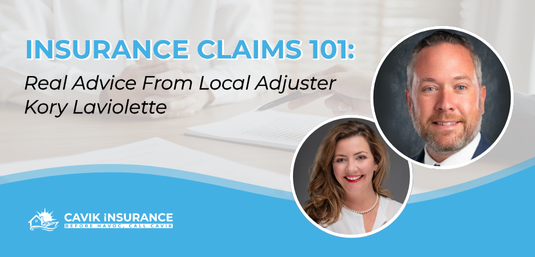
Comments Off on Insurance Claims 101: Real Advice From a Local Adjuster
Most people don’t file insurance claims often… maybe once or twice in a lifetime. But when damage hits your home, there’s no handbook on what to do next. And let’s be honest: navigating the claims process can feel like a maze.
So we teamed up with Kory LaViolette, a National General Adjuster based right here in Wilmington, North Carolina, to walk through what really happens during a claim. From what to do right after an incident to what adjusters are actually looking for, this Q&A lays out everything homeowners wish they knew before the chaos.
Q: What should homeowners do immediately after damage happens?
A (Kory): First, protect your property. That might mean calling a plumber, fire department, or restoration company depending on the situation. After that, call your insurance agent. The faster you start the claim, the faster things can get moving. But always make sure the damage is documented before cleanup begins.
“It’s okay to take action, but don’t erase the evidence,” says Kory. “Photos and receipts matter.”
See how Cavik helps guide homeowners through the claims process from day one.
Q: What information should be gathered before contacting your insurance agent?
A (Kory): Three things are key:
- The date of the loss
- What caused it (be specific)
- And whether anyone else was involved or hurt
It also helps to provide a short description of the damage and a copy of any emergency report (fire department, police, etc.). These details help the adjuster know what to expect during the inspection.
Q: How long does the average insurance claim take to process?
A (Kory): For a typical claim, you’re looking at 30 to 90 days from start to finish. That depends on the severity of the loss and how fast the homeowner responds. It also depends on things like contractor availability and—if it’s a storm situation—claim volume.
“Especially after hurricanes, we work in waves. Your patience goes a long way, but so does staying in touch.”
Learn more about understanding the claims process from the National Association of Insurance commissioners (NAIC).
Q: What delays insurance claims more than anything else?
A (Kory): These are the big ones:
- Homeowners making repairs without taking photos
- Being unclear about what the claim is actually for
- Waiting too long to reply to emails or calls
- Shortages in contractors or materials
If something is holding up your part of the process (like waiting for an estimate), tell your adjuster. Silence makes everything slower.
Q: What are the most common mistakes people make when filing claims?
A (Kory): Filing a claim with no documentation is a big one. Also, not knowing what the claim is for. I’ve walked into homes where people are trying to file for roof damage, old plumbing, and rodent issues—all in the same claim. That’s not how it works.
Keep it focused. Pick a single event. If the loss happened over time or due to neglect, that usually won’t be covered.
Q: What happens during an adjuster’s inspection?
A (Kory): I always start with a conversation. I want to hear the story: when it happened, what actions you’ve taken, and whether the home has had any previous damage or repairs.
Then I’ll take measurements, look for the cause and origin of the loss, and talk through repair options—especially if your contractor is present. I’ll also make sure you understand your deductible and what happens next.
Still have questions? Get in contact with your insurance adjuster or reach out to Engle Martin.
Q: What role does Cavik Insurance play in the claims process?
A (Kory): Having an independent agent like Cavik is a huge help. They’re not just sending you to a 1-800 number. They’re your direct line to someone who can explain your deductible, follow up with the carrier, or even recommend a restoration company. That makes everything smoother.
Need help with a current claim or want to prepare for the next one? Call Cavik first.
Q: Are there types of damage that standard homeowners insurance won’t cover?
A (Kory): Yes. Here’s a list of common exclusions:
- Flooding or storm surge
- Water backup or sewer line failures
- Rodent damage
- Plumbing that runs beneath the home’s foundation
Also, if the damage was caused by wear-and-tear or poor maintenance, it may not be covered. That’s why reading your policy—and talking to your agent about specific risks—is so important.
Q: Can a claim impact your premium?
A (Kory): Sometimes. Hurricane-related claims typically don’t raise your rate, but claims like fire, water, or theft could impact your pricing or eligibility for the next 3 to 5 years. Water claims in particular are being scrutinized more than ever.
If you’re not sure whether to file, talk to your agent first. Sometimes the repair cost isn’t worth the long-term impact.
Q: What should homeowners know about deductibles?
A (Kory): Your deductible is the amount you’re responsible for before insurance steps in. It could be a flat $1,000, or it might be a percentage of your home’s value—especially for wind or hurricane deductibles.
“Know what your deductible is before a storm—not after.” That’s a conversation your agent should help with.
Q: What causes claims to get denied?
A (Kory): The three most common reasons are:
- Damage due to lack of maintenance
- Claims for ongoing wear rather than a single event
- Filing for something not covered in the policy (like flood without flood insurance)
But if you believe your denial was incorrect, you can appeal—especially if you’ve got updated documentation or expert input.
Q: What types of claims tend to follow North Carolina storms?
A (Kory): Wind and hail, tornadoes, and flooding are the most common. Storm surge is another big one, but remember: flood damage isn’t included in most homeowners policies. That requires separate flood coverage.
Learn about the difference between FEMA and private flood insurance in our full blog.
Q: How can homeowners prepare before hurricane season?
A (Kory): A few simple steps can go a long way:
- Trim trees and remove loose outdoor furniture
- Check seals on windows and doors
- Clean gutters and downspouts
- Review your policy and confirm deductibles
The more proactive you are, the easier the claims process will be if something happens.
Final Thoughts from Cavik Insurance
Filing a claim doesn’t have to feel like a disaster on top of a disaster. With the right documentation, a clear understanding of your policy, and a local team ready to help, you can get through it—and get back to normal—faster.
If you’re a homeowner in Wilmington, Leland, or anywhere along the coast, Cavik Insurance is here to help you understand your coverage and be ready before havoc hits.
Get started with a claims review or policy check-in today.
Read more

8 months ago
·
by
alexkc13 ·
Comments Off on What Insurance Do I Actually Need? A Simple Guide For Real Life
You don’t want to be underinsured, but you also don’t want to pay for coverage you don’t need.
Whether you own a home, drive to work, rent downtown, or just launched a side business, insurance should protect what matters without overwhelming you in the process.
At Cavik Insurance, we believe in making coverage clear and personal. That’s why we created this simple guide to help you understand what you really need—and what you don’t—based on your lifestyle in North Carolina.
Own a Home? Homeowners Insurance Is a Must
If you own a home in Wilmington or anywhere in coastal NC, homeowners insurance isn’t just smart, it’s often required by your lender. A solid policy covers:
- Your house, garage, and other structures
- Personal belongings
- Liability protection if someone’s injured on your property
Some homeowners forget to ask for key extras like:
- Wind/hurricane coverage specific to coastal homes
- Coverage for detached buildings, toolsheds, or home offices
- Proper liability coverage for dogs, pools, or trampolines
And here’s the kicker—don’t just settle for a payout based on your home’s market value. Make sure your policy includes replacement cost coverage, which ensures you can actually rebuild what you lose.
Rent? Don’t Skip Renters Insurance
Renters insurance is one of the most affordable protections out there—and one of the most overlooked. It protects your stuff from fire, theft, and water damage, and often includes liability coverage if someone is injured in your apartment.
Even if your landlord’s building is covered, your personal belongings aren’t. Explore Cavik’s options for homeowners and renters in coastal NC to get covered for less than the cost of a coffee a week.
Auto Insurance: Now With Higher Minimums in North Carolina
If you drive in North Carolina, you legally need auto insurance—and as of July 1st, 2025, North Carolina increased the minimum liability limits from 30/60/25 to 50/100/50. That’s a big shift.
Here’s what to think about:
- Do you need comprehensive and collision? (Great if your car is newer or financed.)
- Will you need rental reimbursement if your car is in the shop?
- Need help in a pinch? Towing and roadside assistance coverage can save the day if you’re locked out, broken down, or stuck after an accident.
- What about uninsured/underinsured driver coverage? (Still essential in NC—this protects you if someone hits you and doesn’t have enough insurance to cover the damage.)
Cavik can help you balance cost and protection with coverage that’s built around your daily life. See our auto insurance options.
Also, we recommend checking out the NC DOI Auto Insurance Guide for more in depth insights.
Flood Insurance: Yes, You Might Need It
If you live near the coast, in a low-lying area, or even near a creek or pond—your standard home insurance won’t cover flood damage.
Cavik compares FEMA vs. private flood insurance options to help you decide:
- What’s required for your zone
- What waiting periods and coverage limits apply
- Whether your property type (primary home, rental, or commercial) needs layered coverage
Compare coverage options in our Private vs FEMA flood insurance blog.
Umbrella Insurance: For When Things Really Pour
Think of umbrella insurance as backup for your backup. It kicks in when your homeowners or auto liability maxes out—often in serious injury or lawsuit situations.
An umbrella policy is especially smart for:
- Homeowners
- Business owners or landlords
- Families with teen drivers
- Boat or RV owners
Even one unexpected event—like a major car accident—can exceed your underlying policy limits. An umbrella policy helps protect your assets (and your future) from being on the hook.
Business Owner or Contractor? Get Covered Like a Pro
If you’re self-employed, run a shop, flip houses, or even just mow lawns on the side then you need business insurance.
Cavik helps tailor protection that may include:
- General liability for injury or property damage caused by your business
- Commercial property for stolen tools, damaged stock, or building repairs
- Workers compensation for employee injuries
Whether you run a solo side hustle or a growing team, we’ve got you covered.
Explore Cavik’s business insurance solutions, or start with this guide from the SBA on business insurance basics.
FAQs: What Most People Still Ask
Is insurance required by law?
Auto liability coverage is required by law in North Carolina. If your vehicle is financed, your lender will also require physical damage coverage (aka comprehensive and collision).
Buying a home? Your bank will require homeowners insurance, and if you’re in a high-risk flood zone, flood insurance may also be mandatory.
Umbrella insurance isn’t required, but if a major liability loss hits, it could be the difference between recovery and ruin.
What’s one policy people forget?
Flood insurance! Especially if they’re not in a high-risk zone but still vulnerable.
Can I bundle policies to save money?
Yes! Cavik works with multiple carriers and offers multi-policy discounts. With Cavik Insurance, bundling your policies with our agency also makes life a little less stressful, knowing you have one agent to call for your insurance needs.
What if I move or remodel?
Your coverage needs may change. Whether you’re switching counties or upgrading your kitchen, Cavik can adjust your policies to keep up with your life.
Real Insurance for Real Life
Insurance isn’t about selling you the biggest policy, it’s about protecting what matters most, when it matters most. From homeowners and renters to business owners and busy families, Cavik helps make insurance feel a little more human—and a lot more helpful.
Not sure what you need? Contact Cavik Insurance to get honest, expert help building your North Carolina protection plan before havoc hits.
Read more

9 months ago
·
by
alexkc13 ·
Comments Off on Private Vs. FEMA Flood Insurance: Which One Actually Protects You?
If you live in North Carolina, especially along the coast or near a floodplain, you already know the risks. Storms are getting stronger. Rainfall is getting heavier. And FEMA disaster relief doesn’t always cover the damage.
That’s why flood insurance isn’t optional anymore, it’s essential.
But when it comes to choosing between FEMA flood insurance and private flood insurance in NC, many homeowners aren’t sure where to start. This post breaks down the real differences between the two and how to choose coverage that actually works when you need it most.
What Is FEMA Flood Insurance?
FEMA flood insurance is backed by the federal government and administered through the National Flood Insurance Program (NFIP).
Key facts:
- Managed by FEMA and available to homeowners, renters, and businesses
- Backed by the U.S. Government
- Coverage limits:
- Up to $250,000 for your home’s structure
- Up to $100,000 for personal belongings
- Standard 30-day waiting period before coverage activates unless there is a mortgagee closing
FEMA coverage offers a baseline level of protection. In high-risk flood zones, mortgage lenders require flood insurance, but they typically accept either FEMA-backed or private flood coverage, as long as it meets minimum standards.
What Is Private Flood Insurance?
Private flood insurance is offered by non-government insurance providers and often gives homeowners more flexibility.
It typically includes:
- Higher coverage limits (based on your home’s actual value)
- Options to cover basement contents, temporary living expenses, and replacement cost on belongings
- Shorter waiting periods, sometimes as little as 10–15 days
- In some cases, can be bundled with your homeowners insurance for convenience and savings
Private flood insurance is accepted by lenders and is available in more areas than ever before. Learn how Cavik helps homeowners and renters compare flood insurance options.
Key Differences at a Glance
Feature
|
FEMA Flood Insurance
|
Private Flood Insurance
|
Backed By
|
U.S. Government (NFIP) |
Private Insurance Company |
Coverage Limits
|
$250,000 (home), $100,000 (contents) |
Often higher, based on home value |
Waiting Period
|
30 days |
As little as 10–15 days |
Extra Coverage
|
Limited |
May include temp housing, valuables, basements |
Quick takeaway: FEMA is often the minimum required. Private flood insurance offers more flexibility, broader coverage, and in many cases, competitive pricing. Read the NAIC’s guide to private flood insurance for more information.
What Most Homeowners Don’t Realize
A standard FEMA flood insurance policy does not cover:
- Additional living expenses if your home is uninhabitable
- Replacement cost on damaged contents
- Finished basement improvements (flooring, drywall, built-ins)
- Swimming pool cleanup or repair
This surprises many homeowners, especially after a storm.
In Wilmington and other flood-prone areas of North and South Carolina, some homeowners now carry both FEMA and private flood insurance to get full coverage. Others opt for private plans alone, depending on their location and property value.
View NC Flood Zone maps and property risk data to assess your property’s safety.
Frequently Asked Questions
Is private flood insurance more expensive?
Not always. In fact, many homeowners in moderate-risk zones find that private coverage is more affordable than FEMA/NFIP policies, especially when bundled with homeowners insurance.
Do I need flood insurance if I’m not in a flood zone?
Yes. One in five flood claims comes from homes located outside of high-risk flood zones. If it rains, it can flood. A “low-risk” zone isn’t a no-risk zone.
Can I switch from FEMA to private coverage?
Yes, but the transition must be carefully timed to avoid lapses in coverage. Talk with a licensed agent before canceling any existing policy.
How Cavik Helps You Choose the Right Flood Coverage
At Cavik Insurance, we help homeowners across North Carolina and South Carolina compare and choose flood coverage that actually protects them when the water rises.
We help you:
- Compare FEMA vs. private flood plans side by side
- Understand your home’s true flood risk, even in low-risk zones
- Choose a plan based on your property value, location, and comfort level
- Avoid confusion and eliminate guesswork with straightforward, expert guidance
Conclusion: The Best Coverage Is the One That Actually Pays When You Need It
Flooding is unpredictable, but your coverage shouldn’t be. Whether you choose FEMA, private, or both, Cavik Insurance is here to help you understand your options and make the smartest choice for your home, your budget, and your future.
Ready for a flood insurance review? Let’s make sure you’re covered before the next storm hits. Contact Cavik Insurance today and get expert support for coastal Carolina flood coverage and beyond.
Read more

11 months ago
·
by
alexkc13 ·
Comments Off on How The Right Insurance Plan Can Save Your Small Business From Big Trouble
Running a small business isn’t for the faint of heart. You’re juggling customers, employees, schedules, marketing—and trying to keep the lights on while doing it. With so much on your plate, it’s easy to let insurance fall into the “I’ll figure it out later” category.
But here’s the truth: most business risks don’t knock. They just show up – fast. Like a hurricane hitting during your busiest season, or a customer injury on-site that turns into a lawsuit. Without the right coverage, a single event can cost thousands of dollars, or put your business on hold indefinitely.
That’s why a smart, well-matched insurance plan isn’t just protection. It’s preparation. And if you’re a business owner in North Carolina or South Carolina, Cavik Insurance is here to help you get it right.
Common Risks Small Businesses Face
Even if you’re doing everything “right,” you’re still exposed to real risks just by opening your doors (or logging on):
- Property damage – Fires, windstorms, and water leaks can wreak havoc on your workspace, equipment, or inventory.
- Liability claims – A customer slips on your floor, or your team damages a client’s property—suddenly, you’re facing legal bills.
- Cyberattacks – Think hackers only go after big corporations? Think again. According to Verizon’s Data Breach Report, small businesses account for 43% of data breach victims.
- Workplace injuries – If an employee is injured on the job and you’re not properly covered, the costs can pile up fast—and so can the legal exposure.
It’s not about fear—it’s about facts. These things happen all the time. And if your business isn’t protected, they can be devastating.
Need proof? Explore Cavik’s business coverage options to see what you might be missing.
Types of Business Insurance Every Small Business Should Have
You don’t need a dozen policies—you just need the right ones. Here’s a breakdown of what most small businesses should consider:
General Liability Insurance
This is the most common type of business insurance—and for good reason. General liability protects your business if a third party, like a customer or visitor, claims bodily injury or property damage due to your operations. In fact, many leases or contracts with other companies require you to carry it.
Example: A client trips over a cord in your office and breaks their wrist. They file a claim for medical costs and damages. General liability helps cover those expenses—so you’re not stuck handling it all on your own.
Commercial Property (including Wind/Hail & Flood Insurance)
Your physical property, equipment, equipment in transit, signage, and inventory are all investments—and they’re vulnerable. If a fire, storm, theft, or burst pipe hits, this policy covers repair or replacement.
In states like North and South Carolina, wind and flood events are all too common. Here’s the catch: while a commercial property policy may cover wind damage to your building, it won’t cover flood damage unless you’ve added separate flood insurance.
Business Interruption Insurance
If your business has to temporarily shut down due to a covered event (like a storm or fire), this coverage replaces lost income. It also helps with recurring expenses like rent, payroll, and utilities—so you don’t go under while you rebuild.
Workers’ Compensation Insurance
Required by law in most cases, this policy covers medical costs and lost wages when employees get injured on the job. It also protects you from lawsuits related to workplace injuries.
Bonus: You don’t have to pay these costs out-of-pocket, and your employee still gets the help they need.
Commercial Auto Insurance
If your business owns or uses vehicles—even one van to make deliveries—you need commercial auto insurance. Your personal policy won’t cover accidents that happen while working.
A work truck rear-ends someone on the clock? That’s your business on the hook. Unless you’re covered.
Pro Tip: Have a personal auto that has been wrapped with your business logo? Might want to talk to your agent to make sure that is covered properly as well.
Umbrella & Excess Liability Insurance
This is extra coverage that kicks in after your standard policies hit their limits. It’s especially helpful in industries with high-risk jobs, heavy equipment, or client-facing operations.
Think of it as: Your policy’s backup generator when a claim is bigger than expected.
Inland Marine Insurance
Despite the name, this has nothing to do with boats. It covers tools, equipment, and inventory while in transit or stored off-site. If your business moves gear from job to job, this one’s non-negotiable.
Ideal for: Contractors, cleaning services, mobile techs, or anyone hauling their operation in a truck bed.
What Happens Without Insurance?
We’ve seen it all—and none of it ends well for uninsured business owners.
- A burst pipe floods a boutique overnight, causing $80k in damage. No property insurance? You’re covering the cleanup and repairs on your own.
- A subcontractor sues a landscaping company over property damage. Without liability coverage, the business folds before court even starts.
- An online store gets hacked. No cyber protection means expensive PR, legal fees, and a loss of customer trust.
According to Forbes Advisor, 90% of small businesses aren’t confident their companies arent adequately insured. Many don’t survive the first major incident.
Insurance doesn’t prevent disasters. But it does give you the tools to recover from them—without draining your bank account or putting your future on hold.
How to Choose the Right Business Insurance Plan
Every business is different. That’s why it’s smart to work with a local independent agency (hi, that’s us) who can help you:
- Identify risks based on your industry, services offered, location and requirements of the state.
- Understand what’s legally required in your state
- Customize your plan so you’re covered where it counts—and not overpaying where it doesn’t
Whether you’re just starting out or scaling up, Cavik Insurance builds policies around your goals, not just your assets. Need a fresh set of eyes on your coverage? Let’s chat.
How Insurance Helps You Stay Competitive
Beyond protection, proper insurance makes your business more legit—and more attractive to clients, employees, and partners.
- Need to bid on a project? Most clients require proof of coverage.
- Want to hire great people? Workers want to know they’re protected on the job.
- Trying to build trust with customers? Being insured tells them you’re serious, stable, and prepared.
Insurance isn’t just smart—it’s strategic.
Protect Today, Thrive Tomorrow
The truth is, insurance isn’t optional if you plan to be around next year. It’s what keeps a minor accident from becoming a major disaster. Explore business coverage options.
At Cavik Insurance, we help small businesses across North Carolina and South Carolina get exactly what they need—without the upsell, the jargon, or the guesswork.
Talk to us today. Let’s build a policy that actually protects your business.
Before havoc, call Cavik.
Read more