1 week ago
·
by
alexkc13 ·
Comments Off on 7 Insurance Gaps Homeowners Don’t Notice Until It’s Too Late
Many homeowners assume their insurance policy covers “everything.” The reality is more complicated.
Most coverage gaps stay hidden until a claim is filed and something is denied. When that happens, the damage is already done and the out-of-pocket costs can be significant. These gaps are rarely intentional. They usually form gradually as homes, lifestyles, and risks change over time.
Identifying potential issues early helps homeowners avoid surprises and ensure their policy still reflects real-world conditions. Here are seven of the most common homeowners insurance gaps that often go unnoticed until it’s too late.
1. Outdated Dwelling Coverage Limits
Your home’s rebuild cost today likely looks very different than it did five years ago. Rising labor costs, material shortages, renovations, and market shifts all affect what it would take to rebuild after a total loss.
Common causes of underinsured dwelling coverage include:
- Rising construction and material costs
- Home additions or major renovations
- Market-driven increases in rebuild values
If your policy is based on outdated numbers, you could be left covering the difference. According to Deloitte’s 2026 Engineering and Construction Outlook, construction costs continue to climb due to tariffs, labor shortages, and supply chain pressure, making accurate coverage limits more important than ever.
Cavik Insurance helps homeowners review dwelling coverage through our Home & Renters Insurance services, ensuring policies reflect modern rebuild costs and the unique risks of coastal and inland North Carolina homes.
2. Missing or Inadequate Flood Coverage
One of the most common misunderstandings in homeowners insurance is flood coverage. Standard homeowners policies do not cover flood damage.
Many homeowners assume flood insurance only applies to coastal or high-risk flood zones. In reality, heavy rain, storm surge, and overwhelmed drainage systems can cause flooding well outside traditional flood areas.
FEMA’s updated Risk Rating pricing model now evaluates flood risk based on individual property characteristics rather than broad zones, meaning more homeowners are discovering previously underestimated exposure.
Cavik Insurance regularly educates homeowners through our blog on how changing flood maps and pricing models affect North Carolina properties, especially as weather patterns become more unpredictable.
It’s also important to understand that FEMA-backed flood policies through the National Flood Insurance Program (NFIP) are different from many private flood options. NFIP policies typically cap coverage at $250,000 for the dwelling and $100,000 for contents, which may not fully reflect rebuild costs or personal property values for some North Carolina homes.
Private flood policies can sometimes offer higher dwelling and contents limits, as well as additional features such as loss of use coverage or protection for other structures on the property. The right option depends on the home, location, lender requirements, and overall risk profile, which is why reviewing both options before choosing a policy is so important.
3. Limited Coverage for Detached Structures
Detached structures often receive less attention and less coverage than the main home. Garages, sheds, workshops, and detached storage buildings typically have separate and lower coverage limits under most policies.
Common detached structures include:
- Detached garages
- Storage sheds
- Workshops or studios
If these buildings contain high-value tools, equipment, or finished spaces, default limits may fall short.
Rental use adds another layer of risk. If a detached structure is used as a rental unit, guest space, or short-term rental, standard coverage may not apply at all. Rental activity often requires additional endorsements or separate policies to avoid denied claims.
Reviewing how detached structures are used is critical to closing this gap.
4. Personal Property Limits That Don’t Match Reality
Personal belongings add up quickly, and many homeowners underestimate their value. Standard homeowners policies usually limit personal property coverage to a percentage of the dwelling amount, which may not reflect what it would cost to replace everything today.
Coverage gaps often appear with:
- Jewelry
- Electronics
- Firearms
- Collectibles or specialty items
Without specific endorsements, these items may be capped far below replacement cost. The Insurance Information Institute explains in its guide on how much homeowners insurance you need that standard personal property limits frequently leave high-value items underinsured.
If personal property includes equipment for a home-based business, the exposure can be even greater. Cavik Insurance addresses these scenarios through our Business Solutions offerings, which help bridge gaps between personal and business coverage.
5. Sewer Backup and Water Damage Exclusions
Water damage is tricky, and not all water losses are treated equally. Many homeowners assume any water-related damage is covered, but that’s often not the case.
Many policies exclude or limit coverage for:
- Sewer or drain backups
- Slow or hidden leaks behind walls
- Certain types of plumbing-related water damage
In some policies, coverage limits or even full exclusions are tied to the type or age of the home’s plumbing. Older or higher-risk systems may trigger lower water damage caps or exclusions that homeowners don’t realize exist until a claim is filed.
These issues are especially common in older homes and can lead to significant out-of-pocket costs without proper endorsements in place.
6. Liability Limits That Haven’t Been Revisited
Life changes, but liability coverage often stays the same unless it’s reviewed intentionally. New features and lifestyle changes can significantly increase risk exposure.
Common liability-increasing changes include:
- Pools
- Trampolines
- Pets
- Frequent guests or short-term rentals
A trampoline or pool can dramatically increase injury risk, and certain dog breeds may affect coverage eligibility. Cavik Insurance helps homeowners evaluate these changes holistically, including how pet ownership impacts liability through Pet Insurance resources.
When liability limits don’t reflect current risk, homeowners may be exposed well beyond what their policy will cover.
7. Assuming “We’ll Review It Later”
The most dangerous insurance gap is procrastination.
Policies often renew automatically, and coverage language can feel overwhelming. As a result, important updates go unreported, including:
- Renovations or additions
- Newly acquired valuables
- Changes in occupancy, such as renting out a room
Waiting until renewal or worse, until a claim, is often too late. This is why regular reviews matter.
Cavik Insurance assigns clients a dedicated account manager who proactively reaches out at renewal to review coverage, confirm billing information, and request updates. You can learn more about the local experts who understand the risks of the coast and can help you spot hidden policy gaps on The Cavik Insurance Team page.
Why These Gaps Are So Easy to Miss
Coverage gaps don’t usually appear overnight. They form gradually because:
- Policies renew automatically
- Coverage language is complex
- Homeowners aren’t always sure what questions to ask
Without guidance, it’s easy for policies to fall out of sync with reality.
How Cavik Insurance Helps Identify Hidden Gaps
Cavik Insurance takes a proactive approach to coverage reviews. The focus is on prevention, not reaction.
Their process is designed to:
- Identify risks before they become claims
- Align coverage with real-life changes
- Adjust policies for market trends and home upgrades
Local knowledge plays a critical role, especially for homeowners navigating coastal weather risks, inland flooding, and changing rebuild costs across North Carolina.
When you work with Cavik, you get assigned an account manager who will verify billing information. At the time of renewal, they will reach out to review and request any updates or changes needed.
When to Review Your Home Insurance
Don’t wait for storm season or a denied claim to reveal gaps.
Schedule a coverage review:
- Before storm season
- After renovations or upgrades
- When property values rise
- At least once a year
We recommend setting a calendar reminder for an annual insurance review or requesting a proactive check-in with your agent to confirm your policy still matches your home and lifestyle.
Insurance Gaps Cost the Most When You Discover Them Too Late
Most homeowners don’t find coverage gaps until something goes wrong. By then, options are limited.
With thoughtful planning and regular reviews, these gaps can be identified and addressed before they become expensive problems. Preparation is what separates frustration from protection.
Before havoc, call Cavik. Schedule a coverage review with Cavik Insurance to identify hidden gaps and protect your home the right way.
Read more

3 months ago
·
by
alexkc13 ·
Comments Off on Floods, Fires, and the Fine Print: Protecting Your Home the Right Way
Whether it is a burst pipe or a coastal storm, the moments after damage hits are not the time to find out you were underinsured. Too often, homeowners assume “everything” is covered until they face a flood, fire, or policy exclusion that says otherwise.
You cannot predict the disaster, but you can control how well you’re protected when it happens.
Cavik Insurance helps homeowners across the Carolinas understand what their policy truly covers, what it doesn’t, and how to close the gaps before havoc hits.
The Hidden Gaps in Standard Homeowners Insurance
A standard homeowners policy covers common perils such as wind, theft, and fire—but it does not protect against everything. Floods, earthquakes, and certain types of water or mold damage are often excluded, leaving property owners vulnerable to major losses.
This is especially important in coastal regions like Wilmington and Myrtle Beach, where high winds, heavy rain, and storm surge can compound risks. Even a strong policy can fall short if it’s not designed with local conditions in mind.
Comprehensive protection starts with understanding these limits and customizing your coverage for your area’s most likely threats.
See how Cavik helps Carolina homeowners tailor their coverage to fit local risks.
Flood Damage: The Most Common Uncovered Threat
Flooding remains the most frequent and costly natural disaster in North Carolina, yet it’s rarely included in standard homeowners insurance. FEMA reports that just one inch of water can cause more than $25,000 in damage.
Even properties outside of traditional flood zones can experience significant flooding due to heavy rain, drainage backups, or storm runoff. For coastal homeowners, the risks are magnified by storm surge and hurricanes that can overwhelm systems in minutes.
Homeowners should reach out to Cavik to get quotes that match your coverage.
Key questions to ask your agent:
- Is my property in a high-risk or moderate flood zone?
- How much coverage do I need for the structure and contents?
- Does my mortgage lender require flood insurance?
The North Carolina Department of Insurance – Flood Insurance Guide is an excellent resource to help you understand coverage limits and eligibility.
Talk to Cavik about flood insurance options available for your property.
Fire Coverage: What You Think You Have (and What You Don’t)
Fire coverage is typically part of a homeowners policy, but the details matter. Policy limits, exclusions, and outdated coverage values can leave homeowners underinsured when they need help the most.
Common pitfalls include:
- Failing to update coverage after renovations or upgrades. A remodeled kitchen or added deck may not be reflected in your current policy.
- Overlooking detached structures such as garages, workshops, or sheds, which often require separate coverage limits.
It’s also crucial to confirm that your policy is based on replacement cost coverage, not actual cash value. Replacement cost reimburses the amount needed to rebuild with today’s prices, not depreciated values from years ago.
Get a home insurance quote and find out if your fire coverage is strong enough through our Quote page.
The Fine Print That Could Cost You Thousands
Every insurance policy contains fine print that influences what gets paid and what doesn’t. Homeowners often overlook key exclusions and limits until a claim is denied or partially reimbursed.
Pay close attention to the “Exclusions” section of your policy, which often lists perils such as:
- Earth movement or sinkholes
- Flooding from external water sources
- Sewer or drain backup
- Neglect or poor maintenance
Other overlooked details include:
- Coverage caps for valuables such as jewelry, electronics, and art.
- Mold or mildew limits that may cover cleanup but not full remediation.
- Water damage distinctions, where damage from plumbing leaks may be covered but rising water from storm surge is not. Confirming the type of plumbing you have is essential to ensure there are no limitations on the amount of coverage afforded at the time of the claim.
To avoid unpleasant surprises, schedule a policy review at least once a year—especially after home improvements or major purchases.
Review your current policy through Cavik’s online portal or schedule a coverage review by clicking “Quote” in our navigation menu on our website.
For more education on policy structures, exclusions, and insurance as a whole, visit the Insurance Information Institute – Homeowners Insurance Basics.
How to Make Sure You’re Fully Protected
The best time to strengthen your insurance coverage is before something goes wrong. Taking proactive steps today can make all the difference when the unexpected happens.
Here’s how to make sure you’re fully protected:
- Review your coverage limits annually. Inflation, material shortages, and construction costs have risen significantly, meaning old limits may no longer be enough.
- Ask about add-ons and endorsements. Flood, windstorm, sewer backup, equipment breakdown and service line endorsements can close critical gaps.
- Document everything. Take photos and videos of your home and valuables for proof in the event of a claim.
- Work with a local, independent agent. Local experts understand regional risks, state regulations, and how to balance coverage with cost.
Home insurance is not one-size-fits-all, especially in the Carolinas. The right partner can ensure your policy reflects both your property and your priorities.
Review our blog for more tips to assess your coverage and close any gaps in your insurance.
Don’t Wait for Havoc, Plan for It
Disasters don’t wait for the right time, and neither should you. The difference between a minor inconvenience and a major financial loss often comes down to preparation and the fine print.
If you have not reviewed your home insurance recently, now is the perfect time. Before floodwaters rise or sparks fly, make sure your coverage is built to stand strong.
Call Cavik to protect your home the right way.
Read more

5 months ago
·
by
alexkc13 ·
Comments Off on 7 Tips to Hiring Quality Contractors in Your Area
Whether you’re picking up the pieces after a major storm or just planning a long-overdue renovation, the contractor you hire can make or break your experience. For Coastal Carolina homeowners, especially those in coastal areas like Wilmington and Leland, hiring the wrong person doesn’t just waste time—it can leave you with incomplete work, legal trouble, or even denied insurance claims.
At Cavik Insurance, we’ve helped hundreds of clients across North and South Carolina navigate claims, rebuilds, and renovations. Over the years, we’ve seen what happens when things go right—and when they don’t.
Here are seven must-know contractor tips that can save you time, money, and stress before a single nail is hammered.
1. Ask for Proof of Insurance and Have Your Insurance Agent Review It
A legitimate contractor should carry both general liability insurance and workers’ compensation coverage. These policies help protect you from liability if an accident or property damage occurs during the job.
Before signing anything, request a Certificate of Insurance (COI) and review the details:
- Is it current?
- Does the policy match the contractor’s business name?
- Is the type of work you’re hiring for covered?
If they can’t provide this, or it doesn’t add up, that’s your cue to walk away.
For homeowners working through an insurance claim, this is even more important. Hiring an uninsured contractor could void portions of your coverage or have long term damages if the contractor isn’t qualified for the work being done.
See how Cavik helps protect your home and works alongside your contractor if a claim is involved. Explore our homeowners and landlord insurance services.
2. Be Wary of Storm Chasers and Door-Knockers
In the days and weeks following a major weather event, it’s common for contractors to canvas neighborhoods offering immediate inspections or “we’ll handle everything” claims assistance.
These so-called storm chasers often pressure homeowners into signing agreements on the spot—and then disappear before the work is completed, or worse, leave behind low-quality or unpermitted repairs.
Before hiring anyone who approaches you unsolicited:
- Ask where their business is based
- If applicable, look up their license and insurance online (Roofers and Contractors doing under $30,000 in work aren’t normally licensed by the state)
- Search for reviews or complaints from other homeowners
- Ask for references from local jobs completed in the past year
A physical address and history of work in your area matter. The farther they’re based, the less accountability you may have if something goes wrong.
Read more from the BBB on protecting yourself from “storm chasers” after a natural disaster.
3. Get It in Writing And Review the Fine Print
Verbal quotes are not enough. A reputable contractor will provide a detailed written estimate that includes:
- Scope of work
- Materials to be used
- Payment terms
- Timeline (start and expected completion dates)
- Warranty details
You should understand exactly what’s being done and how much it will cost. Look out for vague terms like “TBD” or “market price”—they can lead to costly surprises later.
Ask whether your agreement includes:
- Permit filing responsibilities
- Cleanup and debris removal
- Payment milestones tied to progress, not time
If your contractor avoids written terms or pushes you to sign a document you haven’t read, that’s a red flag.
4. Look Local First
Hiring a local contractor has several advantages:
- They’re more likely to be familiar with local building codes and inspection procedures
- They’ve established a reputation in the community
- They’re easier to reach if follow-up work or warranty issues come up
Cavik clients often ask for recommendations, and we’re happy to share names of contractors that have completed work successfully in our region. A contractor who has worked with your neighbors or friends is more likely to value your satisfaction and repeat business.
Ask your insurance agent, real estate agent, or local hardware store who they trust. Online directories and neighborhood forums can help, but firsthand experience is better.
5. Watch for Red Flags During the First Meeting
Trust your instincts during that first conversation. A good contractor should be professional, clear, and patient—not rushed or dismissive.
Things to watch out for:
- Asking for full payment up front
- Refusing to provide references
- Showing up without business cards or branded materials
- Skipping inspection or planning steps
- Providing a quote without seeing the project site
A reliable contractor will take time to walk through your options, explain pricing, and put everything in writing. They should also explain how they handle problems, delays, or changes once the project is underway.
Architectural Digest has a helpful article on 12 Red Flags to Look For To Avoid Hiring Bad Contractors for more in-depth reading.
6. Make Sure Your Contractor and Coverage Are Aligned
Before you sign anything—especially for insurance-related repairs—it pays to slow down and check the details.
At Cavik, we help you:
- Contact reputable, properly insured contractors
- Streamline communication between your adjuster and your contractor
- Understand what coverage information your contractor may need to see (or provide)
You want to be confident that everyone’s on the same page—your insurance company, your contractor, and you. We do not approve claims, but we can help you avoid confusion and delays by verifying key details early in the process.
Contact Cavik Insurance before hiring a contractor for insurance-related repairs.
7. Keep Records From Day One
Even with a great contractor, documentation is your backup plan.
Save:
- Initial estimates and bids
- Signed contracts and any addendums
- Payment receipts and invoices
- Change orders
- Photos before, during, and after the project
Keep a simple log of communication—emails, text messages, and in-person meetings. If a dispute ever arises, these records will help support your case with the contractor or your insurance company.
Having this level of organization can also help with:
- Filing a supplemental claim
- Verifying warranties
- Providing accurate information during appraisals or future sales
Why Cavik Cares About Your Contractor Experience
We don’t manage or hire contractors directly, but we’re deeply familiar with how a bad hire can derail an insurance claim, cause long delays, or cost you significantly more out of pocket.
Our job is to protect you not just with policies, but with guidance and insight that can prevent unnecessary stress. We help you understand what’s covered, how to file a claim, and how to work alongside your contractor and insurance adjuster for the best outcome.
When you have questions, we’re not sending you to a call center. We’re local, available, and ready to help you get it right the first time.
Don’t Hire Fast, Hire Smart
The right contractor can bring your home back to life. The wrong one can leave you worse off than where you started.
Take the time to research, verify, and get professional input before you sign. If your project involves insurance, contact us early in the process—we’ll help you understand what matters and who can help.
Need help after a storm or before starting a project? Contact Cavik Insurance today for local advice in Coastal North Carolina and South Carolina and trusted coverage that works when it matters most.
Read more
7 months ago
·
by
alexkc13 ·
Comments Off on Insurance Claims 101: Real Advice From a Local Adjuster
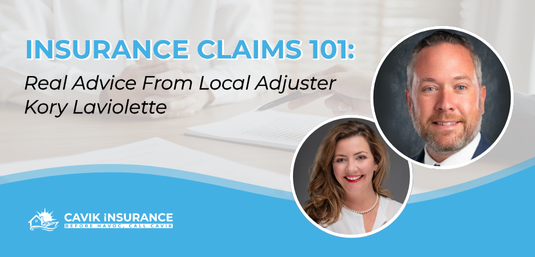
Most people don’t file insurance claims often… maybe once or twice in a lifetime. But when damage hits your home, there’s no handbook on what to do next. And let’s be honest: navigating the claims process can feel like a maze.
So we teamed up with Kory LaViolette, a National General Adjuster based right here in Wilmington, North Carolina, to walk through what really happens during a claim. From what to do right after an incident to what adjusters are actually looking for, this Q&A lays out everything homeowners wish they knew before the chaos.
Q: What should homeowners do immediately after damage happens?
A (Kory): First, protect your property. That might mean calling a plumber, fire department, or restoration company depending on the situation. After that, call your insurance agent. The faster you start the claim, the faster things can get moving. But always make sure the damage is documented before cleanup begins.
“It’s okay to take action, but don’t erase the evidence,” says Kory. “Photos and receipts matter.”
See how Cavik helps guide homeowners through the claims process from day one.
Q: What information should be gathered before contacting your insurance agent?
A (Kory): Three things are key:
- The date of the loss
- What caused it (be specific)
- And whether anyone else was involved or hurt
It also helps to provide a short description of the damage and a copy of any emergency report (fire department, police, etc.). These details help the adjuster know what to expect during the inspection.
Q: How long does the average insurance claim take to process?
A (Kory): For a typical claim, you’re looking at 30 to 90 days from start to finish. That depends on the severity of the loss and how fast the homeowner responds. It also depends on things like contractor availability and—if it’s a storm situation—claim volume.
“Especially after hurricanes, we work in waves. Your patience goes a long way, but so does staying in touch.”
Learn more about understanding the claims process from the National Association of Insurance commissioners (NAIC).
Q: What delays insurance claims more than anything else?
A (Kory): These are the big ones:
- Homeowners making repairs without taking photos
- Being unclear about what the claim is actually for
- Waiting too long to reply to emails or calls
- Shortages in contractors or materials
If something is holding up your part of the process (like waiting for an estimate), tell your adjuster. Silence makes everything slower.
Q: What are the most common mistakes people make when filing claims?
A (Kory): Filing a claim with no documentation is a big one. Also, not knowing what the claim is for. I’ve walked into homes where people are trying to file for roof damage, old plumbing, and rodent issues—all in the same claim. That’s not how it works.
Keep it focused. Pick a single event. If the loss happened over time or due to neglect, that usually won’t be covered.
Q: What happens during an adjuster’s inspection?
A (Kory): I always start with a conversation. I want to hear the story: when it happened, what actions you’ve taken, and whether the home has had any previous damage or repairs.
Then I’ll take measurements, look for the cause and origin of the loss, and talk through repair options—especially if your contractor is present. I’ll also make sure you understand your deductible and what happens next.
Still have questions? Get in contact with your insurance adjuster or reach out to Engle Martin.
Q: What role does Cavik Insurance play in the claims process?
A (Kory): Having an independent agent like Cavik is a huge help. They’re not just sending you to a 1-800 number. They’re your direct line to someone who can explain your deductible, follow up with the carrier, or even recommend a restoration company. That makes everything smoother.
Need help with a current claim or want to prepare for the next one? Call Cavik first.
Q: Are there types of damage that standard homeowners insurance won’t cover?
A (Kory): Yes. Here’s a list of common exclusions:
- Flooding or storm surge
- Water backup or sewer line failures
- Rodent damage
- Plumbing that runs beneath the home’s foundation
Also, if the damage was caused by wear-and-tear or poor maintenance, it may not be covered. That’s why reading your policy—and talking to your agent about specific risks—is so important.
Q: Can a claim impact your premium?
A (Kory): Sometimes. Hurricane-related claims typically don’t raise your rate, but claims like fire, water, or theft could impact your pricing or eligibility for the next 3 to 5 years. Water claims in particular are being scrutinized more than ever.
If you’re not sure whether to file, talk to your agent first. Sometimes the repair cost isn’t worth the long-term impact.
Q: What should homeowners know about deductibles?
A (Kory): Your deductible is the amount you’re responsible for before insurance steps in. It could be a flat $1,000, or it might be a percentage of your home’s value—especially for wind or hurricane deductibles.
“Know what your deductible is before a storm—not after.” That’s a conversation your agent should help with.
Q: What causes claims to get denied?
A (Kory): The three most common reasons are:
- Damage due to lack of maintenance
- Claims for ongoing wear rather than a single event
- Filing for something not covered in the policy (like flood without flood insurance)
But if you believe your denial was incorrect, you can appeal—especially if you’ve got updated documentation or expert input.
Q: What types of claims tend to follow North Carolina storms?
A (Kory): Wind and hail, tornadoes, and flooding are the most common. Storm surge is another big one, but remember: flood damage isn’t included in most homeowners policies. That requires separate flood coverage.
Learn about the difference between FEMA and private flood insurance in our full blog.
Q: How can homeowners prepare before hurricane season?
A (Kory): A few simple steps can go a long way:
- Trim trees and remove loose outdoor furniture
- Check seals on windows and doors
- Clean gutters and downspouts
- Review your policy and confirm deductibles
The more proactive you are, the easier the claims process will be if something happens.
Final Thoughts from Cavik Insurance
Filing a claim doesn’t have to feel like a disaster on top of a disaster. With the right documentation, a clear understanding of your policy, and a local team ready to help, you can get through it—and get back to normal—faster.
If you’re a homeowner in Wilmington, Leland, or anywhere along the coast, Cavik Insurance is here to help you understand your coverage and be ready before havoc hits.
Get started with a claims review or policy check-in today.
Read more

8 months ago
·
by
alexkc13 ·
Comments Off on What Insurance Do I Actually Need? A Simple Guide For Real Life
You don’t want to be underinsured, but you also don’t want to pay for coverage you don’t need.
Whether you own a home, drive to work, rent downtown, or just launched a side business, insurance should protect what matters without overwhelming you in the process.
At Cavik Insurance, we believe in making coverage clear and personal. That’s why we created this simple guide to help you understand what you really need—and what you don’t—based on your lifestyle in North Carolina.
Own a Home? Homeowners Insurance Is a Must
If you own a home in Wilmington or anywhere in coastal NC, homeowners insurance isn’t just smart, it’s often required by your lender. A solid policy covers:
- Your house, garage, and other structures
- Personal belongings
- Liability protection if someone’s injured on your property
Some homeowners forget to ask for key extras like:
- Wind/hurricane coverage specific to coastal homes
- Coverage for detached buildings, toolsheds, or home offices
- Proper liability coverage for dogs, pools, or trampolines
And here’s the kicker—don’t just settle for a payout based on your home’s market value. Make sure your policy includes replacement cost coverage, which ensures you can actually rebuild what you lose.
Rent? Don’t Skip Renters Insurance
Renters insurance is one of the most affordable protections out there—and one of the most overlooked. It protects your stuff from fire, theft, and water damage, and often includes liability coverage if someone is injured in your apartment.
Even if your landlord’s building is covered, your personal belongings aren’t. Explore Cavik’s options for homeowners and renters in coastal NC to get covered for less than the cost of a coffee a week.
Auto Insurance: Now With Higher Minimums in North Carolina
If you drive in North Carolina, you legally need auto insurance—and as of July 1st, 2025, North Carolina increased the minimum liability limits from 30/60/25 to 50/100/50. That’s a big shift.
Here’s what to think about:
- Do you need comprehensive and collision? (Great if your car is newer or financed.)
- Will you need rental reimbursement if your car is in the shop?
- Need help in a pinch? Towing and roadside assistance coverage can save the day if you’re locked out, broken down, or stuck after an accident.
- What about uninsured/underinsured driver coverage? (Still essential in NC—this protects you if someone hits you and doesn’t have enough insurance to cover the damage.)
Cavik can help you balance cost and protection with coverage that’s built around your daily life. See our auto insurance options.
Also, we recommend checking out the NC DOI Auto Insurance Guide for more in depth insights.
Flood Insurance: Yes, You Might Need It
If you live near the coast, in a low-lying area, or even near a creek or pond—your standard home insurance won’t cover flood damage.
Cavik compares FEMA vs. private flood insurance options to help you decide:
- What’s required for your zone
- What waiting periods and coverage limits apply
- Whether your property type (primary home, rental, or commercial) needs layered coverage
Compare coverage options in our Private vs FEMA flood insurance blog.
Umbrella Insurance: For When Things Really Pour
Think of umbrella insurance as backup for your backup. It kicks in when your homeowners or auto liability maxes out—often in serious injury or lawsuit situations.
An umbrella policy is especially smart for:
- Homeowners
- Business owners or landlords
- Families with teen drivers
- Boat or RV owners
Even one unexpected event—like a major car accident—can exceed your underlying policy limits. An umbrella policy helps protect your assets (and your future) from being on the hook.
Business Owner or Contractor? Get Covered Like a Pro
If you’re self-employed, run a shop, flip houses, or even just mow lawns on the side then you need business insurance.
Cavik helps tailor protection that may include:
- General liability for injury or property damage caused by your business
- Commercial property for stolen tools, damaged stock, or building repairs
- Workers compensation for employee injuries
Whether you run a solo side hustle or a growing team, we’ve got you covered.
Explore Cavik’s business insurance solutions, or start with this guide from the SBA on business insurance basics.
FAQs: What Most People Still Ask
Is insurance required by law?
Auto liability coverage is required by law in North Carolina. If your vehicle is financed, your lender will also require physical damage coverage (aka comprehensive and collision).
Buying a home? Your bank will require homeowners insurance, and if you’re in a high-risk flood zone, flood insurance may also be mandatory.
Umbrella insurance isn’t required, but if a major liability loss hits, it could be the difference between recovery and ruin.
What’s one policy people forget?
Flood insurance! Especially if they’re not in a high-risk zone but still vulnerable.
Can I bundle policies to save money?
Yes! Cavik works with multiple carriers and offers multi-policy discounts. With Cavik Insurance, bundling your policies with our agency also makes life a little less stressful, knowing you have one agent to call for your insurance needs.
What if I move or remodel?
Your coverage needs may change. Whether you’re switching counties or upgrading your kitchen, Cavik can adjust your policies to keep up with your life.
Real Insurance for Real Life
Insurance isn’t about selling you the biggest policy, it’s about protecting what matters most, when it matters most. From homeowners and renters to business owners and busy families, Cavik helps make insurance feel a little more human—and a lot more helpful.
Not sure what you need? Contact Cavik Insurance to get honest, expert help building your North Carolina protection plan before havoc hits.
Read more

1 year ago
·
by
alexkc13 ·
Comments Off on How to Winter-Proof Your Home to Avoid Insurance Claims
Winter can be tough on homes, but a little prep now can save you a lot of hassle—and money—later. From protecting pipes to keeping your roof intact, winter-proofing your home is like giving it a warm winter coat. Not only does this help prevent common winter woes, but it can also help you avoid costly insurance claims.
At Cavik Insurance, we’ve seen it all, and we’re here to help homeowners in North Carolina and South Carolina stay safe, sound, and stress-free through the colder months.
Why Winter-Proofing Is Important
Winter weather, even in areas with milder climates like Wilmington or Fayetteville, NC, can wreak havoc on homes. Burst pipes, roof damage, and power outages are just a few potential problems. The National Weather Service reports that property damage from winter storms averages $1 billion annually in the U.S., underscoring the need for preparation.
By taking preventive measures, you can minimize the damage, avoid hefty repair bills, and reduce the chances of filing an insurance claim. Think of it this way: a little effort now can mean a season of peace later.
Tips to Winter-Proof Your Home
1. Protect Your Pipes
When temperatures drop, exposed pipes are at risk of freezing and bursting, which can lead to significant water damage. Here’s how to keep your plumbing safe:
- Insulate pipes in unheated areas like basements, crawl spaces, and attics. Pre-slit foam or pipe wrap works great.
- Allow faucets to drip during freezing weather to relieve pressure and prevent freezing.
- Shut off outdoor faucets and drain garden hoses to avoid frozen water in your plumbing system.
2. Inspect Your Roof
Your roof is your home’s first defense against winter weather. A small issue now could become a major headache later.
- Check for loose or missing shingles and replace them before snow or ice can sneak in.
- Clear gutters of leaves and debris to prevent ice dams, which can cause water to back up under your shingles.
- Consider a professional inspection to catch any hidden problems that might not be obvious.
For more tips on home maintenance, visit Cavik Insurance’s Blog.
3. Seal Drafts and Cracks
Drafty homes not only waste energy but can also let in moisture that leads to damage.
- Use weatherstripping to seal doors and windows.
- Caulk cracks around windows, doors, and exterior walls to keep warm air inside.
- Check your attic insulation—it’s a cost-effective way to prevent heat loss and reduce energy bills.
4. Prevent Ice and Snow Build-Up
While snow may look magical, it can cause serious problems for your home.
- Keep a snow shovel or roof rake handy to clear excessive snow, even if it’s never expected in your area.
- Use pet-safe ice melt to prevent slippery driveways and sidewalks without harming furry friends.
- Ensure proper drainage around your home to prevent water from pooling and freezing near the foundation.
5. Service Your Heating System
A well-maintained heating system can keep your home warm and safe.
- Schedule a professional HVAC check-up to ensure your system is working efficiently.
- Clean or replace air filters for better performance and air quality.
- If using space heaters, follow safety guidelines to avoid fire risks—keep them on flat surfaces and away from flammable materials.
6. Test Your Smoke and Carbon Monoxide Detectors
Winter brings increased use of heaters and fireplaces, raising the risk of fires or carbon monoxide leaks.
- Test your smoke and carbon monoxide detectors and replace the batteries.
- Consider installing additional detectors near bedrooms and living areas for added safety.
7. Prepare for Power Outages
A winter storm can knock out power, leaving you in the cold and dark. Be ready with these essentials:
- Stock up on flashlights, batteries, and blankets.
- Keep a supply of non-perishable food and water.
- Invest in a backup generator for critical appliances, especially if someone in your home relies on medical equipment.
Learn more about protecting your home from common and uncommon risks through tailored insurance coverage.
Common Winter Insurance Claims and How to Avoid Them
The most frequent winter-related insurance claims include:
- Water Damage: Often caused by frozen pipes or roof leaks.
- Fire Damage: Space heaters, overloaded circuits, and chimneys can be culprits.
- Liability Claims: Slips and falls on icy driveways or sidewalks can lead to lawsuits.
Taking preventive measures—like insulating pipes, clearing walkways, and servicing heating systems—can significantly reduce the likelihood of these claims.
How Cavik Insurance Can Help
At Cavik Insurance, we understand the unique needs of homeowners in areas all over North Carolina and South Carolina. Here’s how we’ve got your back:
- Expert Policy Reviews: We’ll help ensure your home insurance covers potential winter risks.
- Smooth Claims Process: If the unexpected happens, our team is here to guide you through filing your claim with ease.
- Tailored Coverage: From protecting outside structures to ensuring you’re covered for water damage, we’ll find the best solutions for your needs.
Give us a call to get a quote on your next insurance policy. Don’t wait until it’s too late!
FAQs About Winter-Proofing and Insurance
Q: Does insurance cover burst pipes?
Most home insurance policies cover water damage from burst pipes, provided the damage wasn’t due to neglect, like failing to maintain heat in the home. However, consult with an insurance professional to see if there are any limitations on the policy due to type or age of plumbing.
Q: Is damage to outside structures covered under insurance?
Yes, many policies cover detached structures like garages or sheds, but it’s a good idea to confirm your specific coverage with Cavik Insurance.
Q: Will my policy cover damage from ice or snow?
Most policies cover damage from ice and snow, such as a collapsed roof or water infiltration, but certain exclusions may apply.
Stay Safe and Warm This Winter with Cavik Insurance
Winter-proofing doesn’t have to be overwhelming. Tackling a few simple tasks now can save you from major headaches later. At Cavik Insurance, we’re here to help you stay protected, whether it’s through preventive advice or personalized coverage options.
Need help reviewing your insurance before winter? Contact Cavik Insurance today—we’re here for you in Leland, Carolina Beach, Fayetteville, and beyond! Together, let’s make this winter as warm and worry-free as possible.
Read more

1 year ago
·
by
alexkc13 ·
Comments Off on Does Homeowners Insurance Cover Home Renovations?
Home renovations are booming. People want more space, higher value, or just a fresh look. Whether it’s adding a room, upgrading the kitchen, or improving curb appeal, many homeowners don’t realize these changes can impact their insurance.
We recommend thinking about how renovations might affect your homeowners insurance before you start swinging that hammer.
How Renovations Affect Your Homeowners Insurance
Let’s get straight to it: renovations change your home’s value. And when that happens, your insurance needs to reflect those changes.
Adding a new room, upgrading a kitchen, or remodeling a bathroom? These are big changes that can increase your home’s replacement cost.
We always recommend updating your policy to match the new value. If you don’t, you could find yourself underinsured. Should disaster strike, the gap between your coverage and the actual cost to rebuild could fall on your shoulders.
And remember, homeowners insurance isn’t just about the building—it’s about protecting what’s inside too.
Does Standard Homeowners Insurance Cover Renovations?
One of the most common questions we get is: “Will my standard homeowners insurance cover renovations?”
Here’s the thing: it depends on the project. Smaller upgrades, like painting or installing new cabinets, often don’t require a policy change. But bigger projects? That’s another story.
Major renovations, like knocking down walls or adding rooms, can create gaps in your coverage. While your standard policy might cover your home during normal use, it may fall short when serious construction is underway. That’s why we recommend reaching out to your insurance provider before any big project kicks off.
What to Consider Before Starting a Renovation
Before you start a renovation, reviewing your insurance policy is a must. Renovations introduce new risks. We always tell our clients to think about potential theft, accidents, or damage during construction. These things can happen, and you’ll want to make sure your policy covers them.
Another important tip: let your insurance company know about your renovation plans ahead of time. Keeping them in the loop helps avoid surprises down the road, especially when it comes to coverage limits or exclusions. The last thing you want is to file a claim and find out you’re not fully covered.
Types of Coverage for Renovation Projects
When it comes to renovation insurance, you’ve got a few options to keep your home protected. Here’s what we typically recommend based on the size and scope of your project.
- Builder’s Risk Insurance: If your home will be vacant during construction, this is key. Builder’s risk insurance is a temporary policy that covers the home against damage, theft, and weather-related risks while work is ongoing.
- Liability Insurance: Got contractors on-site? Accidents happen. Liability insurance protects you from potential lawsuits if a worker is injured while working on your property.
Each of these options provides added peace of mind while your home is under construction.
Will Your Premiums Increase After a Renovation?
Here’s the truth—renovations can impact your premiums. It’s not always bad, but you should be prepared.
Adding square footage or upgrading high-value areas like kitchens or bathrooms will likely increase your home’s replacement cost, which may raise your premiums.
However, not all renovations push costs up. Installing security systems or adding energy-efficient upgrades can actually lower your premiums. We recommend weighing the pros and cons of your renovation plans to strike a balance between added value and potential cost increases.
If you’re worried about premiums jumping too high, consider raising your deductible or bundling your home and auto policies for discounts. These strategies can help manage any potential increases.
What Happens if You Don’t Update Your Policy?
Not updating your policy after a renovation can cause major problems. If your insurance doesn’t reflect the new value of your home, you run the risk of being underinsured. That means if something happens, you may be stuck covering part of the loss out of pocket.
Even worse, not informing your insurer about a renovation could result in coverage gaps—or worse, void parts of your policy. We’ve seen it happen.
That’s why we always tell our clients: Don’t leave things to chance. It’s much better to update your policy now than deal with costly surprises later.
Working with a Trusted Insurance Provider
Your insurance provider should be your go-to resource during any home renovation. We always recommend sitting down with your agent to review your coverage before, during, and after the project. This ensures you have the right protection every step of the way.
At Cavik Insurance, we take the time to get to know your specific renovation plans and offer personalized advice. We’ll review your policy, point out any gaps, and recommend the right types of coverage for your needs. It’s all about making sure you’re fully protected from start to finish.
Cavik Insurance Has You Covered
Home renovations are exciting, but they can bring added risks. Whether you’re expanding your home, upgrading a kitchen, or starting a bigger project, it’s essential to update your homeowners insurance to reflect the changes. Renovations affect your home’s value, your risks, and your insurance coverage.
At Cavik Insurance, we’re here to make sure you’re covered throughout your renovation journey. From policy reviews to advice on coverage options, we’ll help protect your investment and ensure you’re not caught off guard by any surprises.
Ready to get started? Contact us today for a personalized consultation. We’ll help you navigate your insurance needs, answer your questions, and provide the peace of mind that comes from knowing your home is fully protected. Let’s make your home renovation as smooth as possible—together. Reach out to Cavik Insurance today!
Read more