2 months ago
·
by
alexkc13 ·
Comments Off on What Does an Independent Insurance Agent Actually Do?
Every insurance company out there promises the same three things: the best coverage, the best price, and the fastest quote. When every ad sounds identical, it’s genuinely hard to know who’s actually looking out for you and who’s just trying to sell you their one product.
That’s where an independent agent comes in, and it’s the heart of how we work. As an independent agency, we’re not tied to a single insurance company. We represent many carriers, which means we can compare your options across more than one and bring you coverage that fits your home, car, boat, business, and budget, not whatever one company happens to sell.
July feels like the right month to talk about this. It’s when we celebrate independence as a country, so we’re leaning into what independence means for your insurance too: the freedom to compare, to ask questions, and to choose coverage that actually fits your life instead of settling for a one-size-fits-all policy. Let’s walk through what an independent insurance agent actually does, how we help you compare more than just price, and why having a real local person in your corner makes a difference across the Southeast.
We help clients compare homeowners, renters, landlord, condo, flood, and multi-family options across the Carolinas and Southeastern United States.
Quick Answer: What Does an Independent Insurance Agent Do?
An independent insurance agent represents multiple carriers instead of just one, so we can shop your coverage and help it fit your real life. In practice, that means we help you:
- Compare policies from different carriers side by side
- Understand your coverage options in plain language
- Review your deductibles and limits so they match your risk
- Update your policies after life changes
- Ask the right questions before a claim ever happens
- Keep your personal and business coverage organized under one agency
Instead of selling one company’s policy, we can look across many. That gives you more room to compare coverage, price, and fit, and it’s the whole point of working with an independent agency.
Trusted Choice explains that independent insurance agents represent several carriers rather than a single company, so they can help you compare coverage for home, auto, and more.
We Help You Compare More Than Price
A cheap policy isn’t always the right policy. The lowest number on the page can hide gaps that only show up at claim time, which is the worst possible moment to learn what you didn’t buy. When we shop your coverage, we look at the details that actually matter:
- Liability limits
- Deductibles
- Exclusions
- Replacement cost
- Coverage for valuables
- Water, wind, hail, and flood concerns
- Business coverage needs
The goal is simple: make sure you’re not overpaying for coverage you don’t need, and not underinsured where it counts.
We Match Coverage to Your Real Life
Insurance should fit the way you actually live and work. A family with teen drivers in Fayetteville, a homeowner near Carolina Beach, a boat owner, a landlord in Leland, and a Wilmington business owner all need very different things. As an independent agency, we can connect the dots across your home, auto, watercraft, flood, umbrella, and business policies, so one life change doesn’t leave a gap somewhere else.
That’s especially helpful when one decision ripples across several policies, like buying a boat, adding a driver, or turning a home into a rental.
We help customize auto coverage for liability, uninsured and underinsured motorist protection, collision, towing, and rental car needs. We also work with multiple carriers to help cover watercraft, physical damage, liability, and medical payments for boats of all sizes.
Let’s review your coverage
Want options instead of a one-size-fits-all policy?
As an independent agency, we’ll shop multiple carriers across the Southeast to find the right coverage at the best price for your situation. Reach out and we’ll take a look together, no pressure.
Get a Free Quote
We Support Business Owners, Too
Business insurance can be even harder to compare on your own, because every business carries different risks. Coverage might include commercial auto, property, general liability, workers’ compensation, equipment, flood, wind and hail, or umbrella protection. We help business owners think through what they own, how they operate, who they serve, and where the gaps might be.
That gets more important as a business grows, hires employees, buys equipment, or opens a new location. We can review it all under one roof, alongside your personal coverage.
We help businesses review commercial auto, workers’ compensation, property, wind and hail, flood, business interruption, liability, umbrella, and equipment-in-transit coverage.
We’re Here When Your Policies Need to Change
Insurance isn’t a one-time decision. Policies need updating when you move, buy a car, start a business, add a driver, renovate, or buy a boat. Our client center gives you one place to request changes, pay your bill, access carrier resources, and file claims, so the moving pieces feel less scattered. Having one agency help organize all of it is part of what we mean when we say no policy is duplicated.
We Give Local Guidance
An online quote can be fast, but it usually won’t explain your local risks. Here in the Southeast, that means thinking carefully about property exposure, flood insurance, wind and hail, renters and landlord coverage, boats, and business protection. We live and work in the Leland, Carolina Beach, Fayetteville, and greater Wilmington area, so we understand those regional concerns firsthand, and that local knowledge is a big reason local real estate agents and mortgage lenders send their clients our way.
The NAIC’s guide to choosing an insurance agent notes that with an independent agent, you’ll have choices of companies and coverages to evaluate against your actual needs.
Make Insurance Feel Less Like Guesswork
At the end of the day, an independent agent helps you compare carriers, understand your options, update your coverage, and ask better questions. The value isn’t just getting a quote, it’s having a real, local person help match your coverage to your life. If it’s been a while since anyone looked at your policies, we’d love to take a look.
Before havoc, call Cavik. Serving the Southeast: NC, SC, TN & VA.
Let’s put your insurance back in your hands.
We’re a local, independent agency that shops multiple carriers so you get the right coverage at the right price, from real people who pick up the phone. Reach out for a free quote or a quick coverage review.
Get a Free Quote
Or call us at (910) 722-3225
Read more
2 months ago
·
by
alexkc13 ·
Comments Off on Water Damage vs. Flood Damage: What Insurance Actually Covers
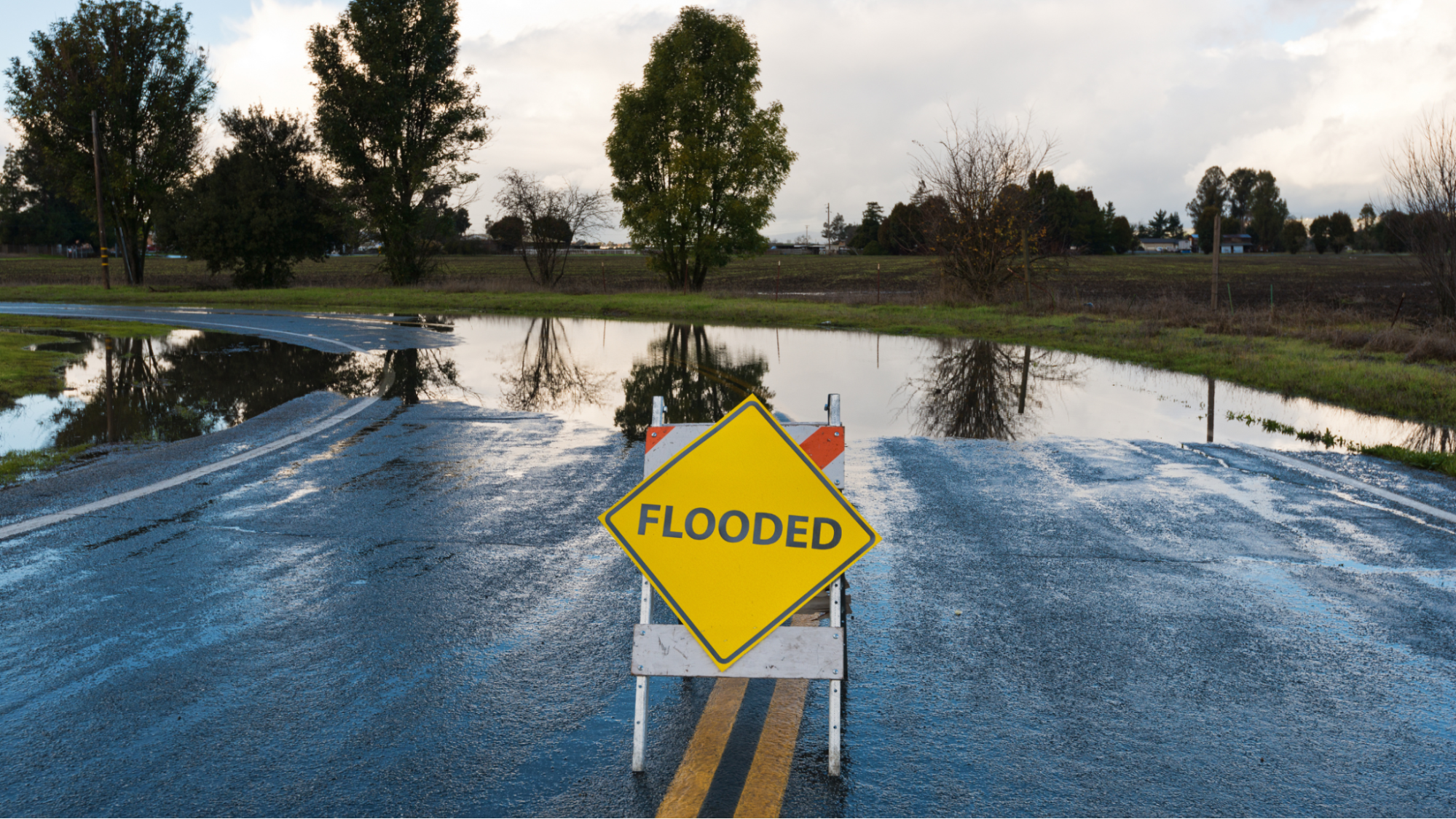
Water damage and flood damage sound like the same thing, but insurance usually treats them very differently. A burst pipe, a leaking appliance, a sewer backup, a storm surge, and rising floodwater may all involve water, yet they may not fall under the same policy.
That difference matters for homeowners, renters, landlords, and coastal property owners in North Carolina and South Carolina, especially once summer storm season arrives.
At Cavik Insurance, we help clients review home, renters, flood, boat, auto, and business insurance coverage options for property, liability, flood concerns, and personal belongings.
Quick Answer: What is the Difference Between Water Damage and Flood Damage?
Water damage usually refers to sudden and accidental water problems that start inside the home, like a burst pipe, an overflowing appliance, or a plumbing leak. Flood damage usually refers to rising water that comes from outside the home, such as storm surge, heavy rain runoff, overflowing rivers, or coastal flooding.
Standard homeowners insurance may cover certain types of sudden water damage, but flood damage usually requires a separate flood insurance policy. The thing to remember is not to wait until a storm is on the forecast to check your coverage, because flood policies may have waiting periods before they take effect.
As FloodSmart explains, flood insurance can help cover damage from floods, which are usually not covered by standard homeowners insurance.
What Homeowners Insurance May Cover
A homeowners policy may help with certain sudden and accidental water damage, depending on the policy. Common examples can include a burst pipe, an overflowing washing machine, sudden appliance leaks, water damage from a covered roof issue, or accidental plumbing discharge.
Whether something is covered can depend on the cause of the damage, how quickly it was addressed, the policy language, and whether maintenance or neglect played a role.
Slow leaks, long-term seepage, mold, and ignored maintenance issues may be limited or excluded altogether. We get into this in our article on how plumbing issues, sewer backups, clogged pipes, and improper flushing can lead to costly water damage and insurance claims.
Prevention Matters, Even When Coverage Differs
Homeowners insurance and flood insurance may respond differently depending on where the water came from, but preventive steps can still reduce damage from plumbing leaks, appliance leaks, sewer backups, and some interior water issues.
A few habits worth building in:
- Install leak sensors in high-risk areas like under sinks, near water heaters, behind washing machines, near dishwashers, and around refrigerator water lines.
- Consider an automatic water shutoff device, especially for second homes, rental properties, coastal properties, or homes left vacant during travel.
- Review water backup coverage, flood insurance, and leak detection discounts before summer storm season.
- Ask whether your insurance carrier recognizes certain water leak detection devices or shutoff systems.
Just keep in mind that leak sensors may help with interior water issues, but they do not replace flood insurance for rising water, storm surge, or outside flooding.
As one example of how these systems work, AWTOS is a smart home safety system that monitors water flow in real time and can automatically shut off the water if a leak is detected.
What Flood Insurance is For
Flood insurance is usually for water that enters the home from outside, ground-level flooding. That can include damage from storm surge, heavy rainfall, overflowing rivers or streams, coastal flooding, and water pooling and entering from the ground.
This is especially worth thinking about for homeowners near the coast, rivers, marshes, low-lying neighborhoods, or areas that have seen drainage problems. And even if your lender does not require flood insurance, it can still be smart to review the risk.
FEMA explains that flood insurance helps protect homeowners, renters, and businesses from flood-related losses that standard policies often do not cover.
Why Coastal Homeowners Should Pay Attention
Homeowners in North Carolina and South Carolina can face water risk from several directions at once. A single summer storm may bring roof leaks, plumbing stress, wind-driven rain, drainage problems, and flooding.
The confusing part is that two neighbors can both end up with water damage, yet their claims may be handled very differently based on where the water came from. That is why it helps to review your home insurance, flood insurance, wind and hail exposure, and deductibles before hurricane season is underway.
Our post on coverage gaps, flood insurance, exclusions, and policy details walks through why those details matter before disaster strikes.
Sewer Backup is Its Own Conversation
Sewer backup and drain backup can be messy, expensive, and genuinely confusing when it comes to coverage. Some homeowners assume it is automatically included, but many policies require a separate endorsement or come with specific limits.
This can come into play if water backs up through a toilet, shower, floor drain, or sewer line. It is worth asking your agent whether sewer backup or water backup coverage is included, excluded, limited, or available as an add-on. The Insurance Information Institute points out that sewer backup damage is not always covered by standard homeowners or renters insurance and may require extra coverage.
What Renters and Landlords Should Know
Coverage looks different depending on your role in a property. Renters may need coverage for personal belongings if water damages furniture, clothing, electronics, or valuables. Landlords may need coverage for the structure, liability, loss of rental income, and damage tied to covered causes.
Condo owners have their own wrinkle to sort out, since they need to understand where the building’s master policy ends and their own policy begins. In every case, the goal is the same: know who is responsible for what before damage happens, not after.
What to Do Right After Water Damage Happens
A quick, steady response protects both your home and any claim you may need to file:
- Stop the water source if it is safe to do so.
- Call a plumber, restoration company, or emergency service when needed.
- Take photos and videos before cleanup begins.
- Save receipts for emergency repairs, cleanup, hotel stays, or supplies.
- Contact your insurance company or agent quickly.
- Avoid throwing away damaged items until the claim process is clear.
If you are a current client and need to file a claim or ask a policy question, our client center is set up to help you make payments, file claims, request changes, and get support.
Questions to Ask Before Summer Storm Season
A few minutes of questions now can save a lot of uncertainty later. Before the next storm, it helps to know:
- Do I have flood insurance?
- Does my policy cover sudden plumbing water damage?
- Do I have sewer backup coverage?
- Are there mold limits or water damage exclusions?
- Are my deductibles different for wind, hail, flood, or named storms?
- Are my personal belongings covered at replacement cost or actual cash value?
- Do I need coverage for a rental property, condo, boat, or business?
These questions can be the difference between “I have insurance” and “I have the right insurance for this situation.” If you want a hand thinking through them, you can learn more about your local Cavik Insurance team and how we help.
Know the Difference Before the Water Shows Up
Water damage and flood damage are not the same in the insurance world. A burst pipe, a sewer backup, a roof leak, a storm surge, and rising floodwater can all trigger different coverage questions, and the answers depend heavily on where the water came from.
The best time to review your policy is before hurricane season, pool season, boat season, or the next round of heavy summer rain. Cavik Insurance helps clients across North Carolina and South Carolina compare coverage, spot gaps, and prepare before havoc has a chance.
Not sure if your home is protected from plumbing leaks, flood damage, sewer backup, or summer stormwater issues? Contact Cavik Insurance for a coverage review before the next storm rolls in.
Read more