Contact us

(+123) 456 789 000

Send us an email!

Contact details:

Message:

Your message has been sent successfully. Close this notice.

Get Your Free Quote Today

Your Information:

What types of coverage would you like to have quoted?

When is the best time to reach you?

Additional Information

Your Quote Form has been sent successfully. We will contact you shortly. Close this notice.
7 months ago · by · Comments Off on Insurance Claims 101: Real Advice From a Local Adjuster

Insurance Claims 101: Real Advice From a Local Adjuster

Most people don’t file insurance claims often… maybe once or twice in a lifetime. But when damage hits your home, there’s no handbook on what to do next. And let’s be honest: navigating the claims process can feel like a maze.

So we teamed up with Kory LaViolette, a National General Adjuster based right here in Wilmington, North Carolina, to walk through what really happens during a claim. From what to do right after an incident to what adjusters are actually looking for, this Q&A lays out everything homeowners wish they knew before the chaos.

Q: What should homeowners do immediately after damage happens?

A (Kory): First, protect your property. That might mean calling a plumber, fire department, or restoration company depending on the situation. After that, call your insurance agent. The faster you start the claim, the faster things can get moving. But always make sure the damage is documented before cleanup begins.

“It’s okay to take action, but don’t erase the evidence,” says Kory. “Photos and receipts matter.”

See how Cavik helps guide homeowners through the claims process from day one.

Q: What information should be gathered before contacting your insurance agent?

A (Kory): Three things are key:

  • The date of the loss
  • What caused it (be specific)
  • And whether anyone else was involved or hurt

It also helps to provide a short description of the damage and a copy of any emergency report (fire department, police, etc.). These details help the adjuster know what to expect during the inspection.

Q: How long does the average insurance claim take to process?

A (Kory): For a typical claim, you’re looking at 30 to 90 days from start to finish. That depends on the severity of the loss and how fast the homeowner responds. It also depends on things like contractor availability and—if it’s a storm situation—claim volume.

“Especially after hurricanes, we work in waves. Your patience goes a long way, but so does staying in touch.”

Learn more about understanding the claims process from the National Association of Insurance commissioners (NAIC).

Q: What delays insurance claims more than anything else?

A (Kory): These are the big ones:

  • Homeowners making repairs without taking photos
  • Being unclear about what the claim is actually for
  • Waiting too long to reply to emails or calls
  • Shortages in contractors or materials

If something is holding up your part of the process (like waiting for an estimate), tell your adjuster. Silence makes everything slower.

Q: What are the most common mistakes people make when filing claims?

A (Kory): Filing a claim with no documentation is a big one. Also, not knowing what the claim is for. I’ve walked into homes where people are trying to file for roof damage, old plumbing, and rodent issues—all in the same claim. That’s not how it works.

Keep it focused. Pick a single event. If the loss happened over time or due to neglect, that usually won’t be covered.

Q: What happens during an adjuster’s inspection?

A (Kory): I always start with a conversation. I want to hear the story: when it happened, what actions you’ve taken, and whether the home has had any previous damage or repairs.

Then I’ll take measurements, look for the cause and origin of the loss, and talk through repair options—especially if your contractor is present. I’ll also make sure you understand your deductible and what happens next.

Still have questions? Get in contact with your insurance adjuster or reach out to Engle Martin.

Q: What role does Cavik Insurance play in the claims process?

A (Kory): Having an independent agent like Cavik is a huge help. They’re not just sending you to a 1-800 number. They’re your direct line to someone who can explain your deductible, follow up with the carrier, or even recommend a restoration company. That makes everything smoother.

Need help with a current claim or want to prepare for the next one? Call Cavik first.

Q: Are there types of damage that standard homeowners insurance won’t cover?

A (Kory): Yes. Here’s a list of common exclusions:

  • Flooding or storm surge
  • Water backup or sewer line failures
  • Rodent damage
  • Plumbing that runs beneath the home’s foundation

Also, if the damage was caused by wear-and-tear or poor maintenance, it may not be covered. That’s why reading your policy—and talking to your agent about specific risks—is so important.

Q: Can a claim impact your premium?

A (Kory): Sometimes. Hurricane-related claims typically don’t raise your rate, but claims like fire, water, or theft could impact your pricing or eligibility for the next 3 to 5 years. Water claims in particular are being scrutinized more than ever.

If you’re not sure whether to file, talk to your agent first. Sometimes the repair cost isn’t worth the long-term impact.

Q: What should homeowners know about deductibles?

A (Kory): Your deductible is the amount you’re responsible for before insurance steps in. It could be a flat $1,000, or it might be a percentage of your home’s value—especially for wind or hurricane deductibles.

“Know what your deductible is before a storm—not after.” That’s a conversation your agent should help with.

Q: What causes claims to get denied?

A (Kory): The three most common reasons are:

  1. Damage due to lack of maintenance
  2. Claims for ongoing wear rather than a single event
  3. Filing for something not covered in the policy (like flood without flood insurance)

But if you believe your denial was incorrect, you can appeal—especially if you’ve got updated documentation or expert input.

Q: What types of claims tend to follow North Carolina storms?

A (Kory): Wind and hail, tornadoes, and flooding are the most common. Storm surge is another big one, but remember: flood damage isn’t included in most homeowners policies. That requires separate flood coverage.

Learn about the difference between FEMA and private flood insurance in our full blog.

Q: How can homeowners prepare before hurricane season?

A (Kory): A few simple steps can go a long way:

  • Trim trees and remove loose outdoor furniture
  • Check seals on windows and doors
  • Clean gutters and downspouts
  • Review your policy and confirm deductibles

The more proactive you are, the easier the claims process will be if something happens.

Final Thoughts from Cavik Insurance

Filing a claim doesn’t have to feel like a disaster on top of a disaster. With the right documentation, a clear understanding of your policy, and a local team ready to help, you can get through it—and get back to normal—faster.

If you’re a homeowner in Wilmington, Leland, or anywhere along the coast, Cavik Insurance is here to help you understand your coverage and be ready before havoc hits.

Get started with a claims review or policy check-in today.
Read more

12 months ago · by · Comments Off on Flush with Caution: How to Avoid Costly Insurance Claims

Flush with Caution: How to Avoid Costly Insurance Claims

Your toilet isn’t a trash can, but it sure gets treated like one! Most people don’t think twice about what goes down the drain—until there’s a problem. Clogged pipes, overflowing toilets, and sewer backups can turn into messy, expensive nightmares faster than you can say, “Where’s the plunger?”

For homeowners and renters in North Carolina and South Carolina, including Leland, Carolina Beach, and Fayetteville, avoiding these issues isn’t just about convenience—it’s about preventing costly insurance claims and surprise out-of-pocket expenses. A little awareness and maintenance now can save you a whole lot of headaches (and money) later.

The True Cost of Plumbing Disasters

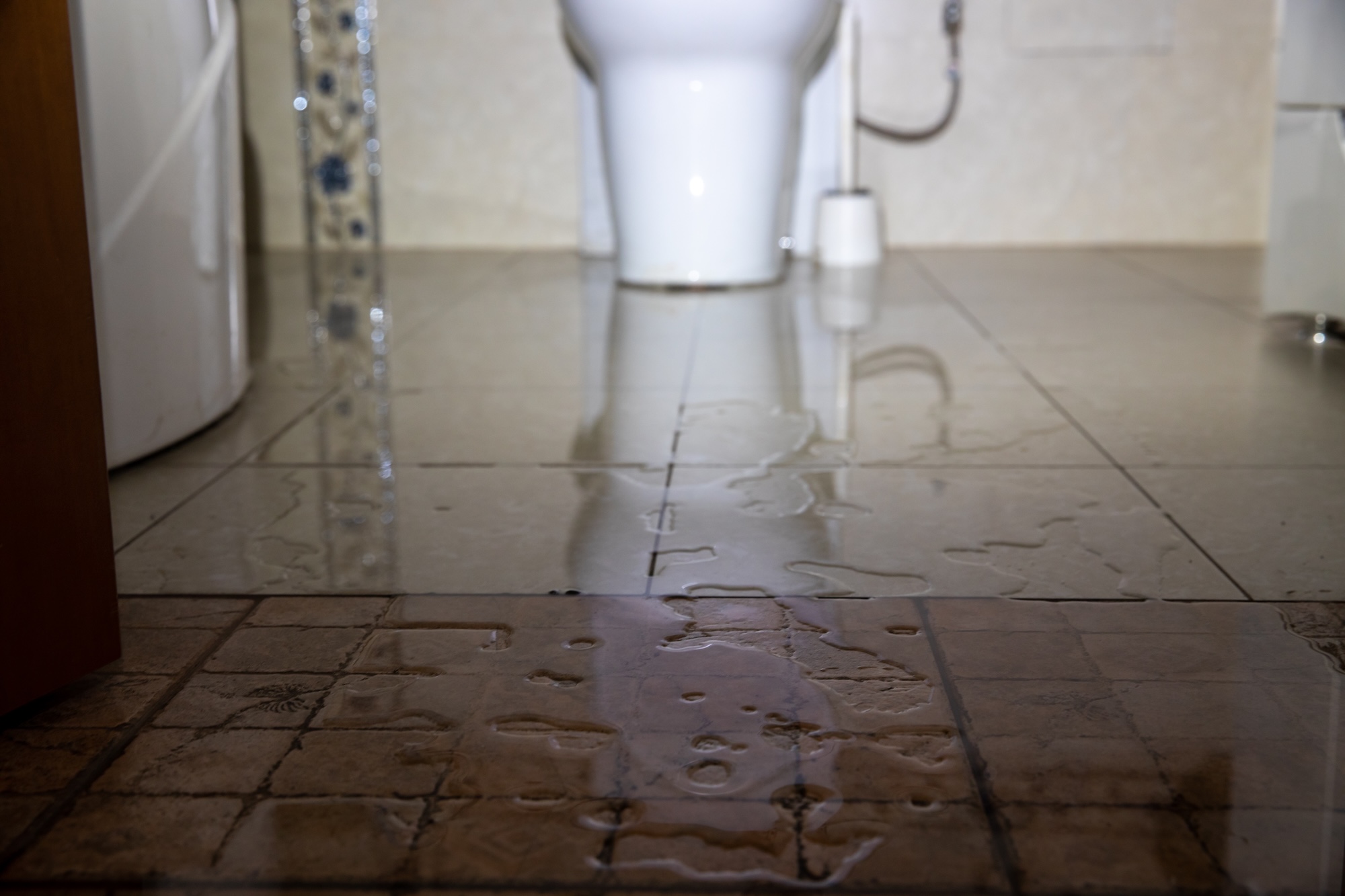
A small plumbing issue can quickly turn into a major problem. Water damage doesn’t just ruin flooring and drywall—it can lead to mold growth, structural damage, and expensive insurance claims.

Common Water Damage Expenses:

  • Replacing flooring, drywall, and cabinetry
  • Mold remediation, which can begin within 24 to 48 hours of water exposure
  • Plumbing repairs to clear blockages or replace damaged pipes

While home insurance may cover the peril of water damage (not to be confused with flood damage, which is often excluded from standard policies), many policies won’t cover damage caused by neglect, improper flushing, or gradual wear and tear. Taking preventative steps now can help homeowners avoid these costly situations.

What Should and Shouldn’t Go Down the Drain

Not everything that seems flushable is safe for your plumbing. Items that don’t break down properly can cause blockages, backups, and expensive repairs.

Things You Should Never Flush:

What You Can Safely Flush or Drain:

  • Toilet paper – Designed to break down quickly in water
  • Human waste – The only other thing that should go in a toilet
  • Small amounts of cooking liquids – Run cold water when draining to prevent grease buildup
  • Dish soap and biodegradable cleaners – Safe for sinks and drains

Pro Tip: If you’ve been dealing with frequent clogs or slow drains, don’t wait for a full-blown disaster. Call a plumber before you have to call your insurance company!

How to Protect Your Home from Costly Plumbing Issues

Routine maintenance and a few smart habits can keep your pipes happy and your wallet full.

  • Install drain strainers to catch hair and debris
  • Run cold water while draining cooking liquids to help prevent grease buildup
  • Use enzyme-based drain cleaners to break down buildup safely
  • Schedule routine plumbing inspections, especially in older homes

Checking under sinks for slow leaks and keeping an eye out for water stains on ceilings or walls can help catch small problems before they turn into expensive repairs.

What Property Insurance Covers—and What It Doesn’t

Home insurance can be a financial lifesaver when it comes to water damage, but it doesn’t cover every situation.

Typically Covered by Insurance:

  • Burst pipes due to freezing or unexpected failure
  • Accidental water damage from appliances like dishwashers or washing machines
  • Sewer backups (if you have an added endorsement)

Often Not Covered by Insurance:

  • Gradual leaks or water damage caused by neglect
  • Damage from improper maintenance, such as ignoring a leaking pipe
  • Clogs or blockages resulting from non-flushable items
  • Damage to vacant homes—if a home has been unoccupied for an extended period, coverage may be limited or excluded

If you’re unsure what your policy covers, Cavik Insurance can help homeowners in North Carolina and South Carolina review their coverage and ensure they have the right protection.

For a detailed breakdown of what home insurance typically covers, visit the National Association of Insurance Commissioners (NAIC).

Why Sewer Backup Coverage Might Be Worth It

A standard home insurance policy doesn’t always cover sewer backups, but adding this endorsement can save homeowners thousands of dollars in repair costs.

Common Causes of Sewer Backups:

  • Tree roots growing into pipes
  • Aging municipal sewer systems
  • Heavy rain overwhelming drainage systems

When a backup occurs, it can result in extensive property damage, requiring expensive repairs and professional cleanup. If you’re not sure whether you have this coverage, Cavik Insurance can review your policy and recommend protection options.

Learn more about why sewer backups happen and how to prevent them from the Environmental Protection Agency (EPA).

Signs of Plumbing Issues You Shouldn’t Ignore

Spotting early warning signs can save you from costly repairs and potential insurance claims. Keep an eye out for:

  • Slow drains or frequent clogs
  • Unusual gurgling noises from toilets or sinks
  • Sewer odors in your home
  • Water stains on ceilings or walls
  • Unexpected spikes in your water bill

Addressing these issues quickly can prevent larger problems like burst pipes, sewage backups, and major leaks.

How Cavik Insurance Helps Homeowners Stay Protected

No one wants to deal with unexpected home repairs, but having the right insurance coverage can make all the difference.

Cavik Insurance Provides:

  • Personalized coverage recommendations for homeowners in North Carolina and South Carolina
  • Help finding policies that cover water damage, sewer backups, and plumbing-related claims
  • Guidance on insurance claims if plumbing disasters occur

Whether you need home insurance, renters insurance, or additional coverage options, Cavik Insurance can help you find the right protection for your home.

A Little Prevention Goes a Long Way

Taking small steps to protect your plumbing can prevent major damage and costly insurance claims.

  • Be mindful of what goes down the drain
  • Perform regular plumbing maintenance
  • Review your home insurance policy to make sure you have the right coverage

Not sure if your home is protected against plumbing disasters? Contact Cavik Insurance for a free policy review and expert advice. Because when it comes to home protection, it’s better to be safe than soggy!
Have questions? Give us a call at 910-722-3225 to get expert advice and a free policy review.

Read more