
7 Insurance Gaps Homeowners Don’t Notice Until It’s Too Late
Many homeowners assume their insurance policy covers “everything.” The reality is more complicated.
Most coverage gaps stay hidden until a claim is filed and something is denied. When that happens, the damage is already done and the out-of-pocket costs can be significant. These gaps are rarely intentional. They usually form gradually as homes, lifestyles, and risks change over time.
Identifying potential issues early helps homeowners avoid surprises and ensure their policy still reflects real-world conditions. Here are seven of the most common homeowners insurance gaps that often go unnoticed until it’s too late.
1. Outdated Dwelling Coverage Limits
Your home’s rebuild cost today likely looks very different than it did five years ago. Rising labor costs, material shortages, renovations, and market shifts all affect what it would take to rebuild after a total loss.
Common causes of underinsured dwelling coverage include:
- Rising construction and material costs
- Home additions or major renovations
- Market-driven increases in rebuild values
If your policy is based on outdated numbers, you could be left covering the difference. According to Deloitte’s 2026 Engineering and Construction Outlook, construction costs continue to climb due to tariffs, labor shortages, and supply chain pressure, making accurate coverage limits more important than ever.
Cavik Insurance helps homeowners review dwelling coverage through our Home & Renters Insurance services, ensuring policies reflect modern rebuild costs and the unique risks of coastal and inland North Carolina homes.
2. Missing or Inadequate Flood Coverage
One of the most common misunderstandings in homeowners insurance is flood coverage. Standard homeowners policies do not cover flood damage.
Many homeowners assume flood insurance only applies to coastal or high-risk flood zones. In reality, heavy rain, storm surge, and overwhelmed drainage systems can cause flooding well outside traditional flood areas.
FEMA’s updated Risk Rating pricing model now evaluates flood risk based on individual property characteristics rather than broad zones, meaning more homeowners are discovering previously underestimated exposure.
Cavik Insurance regularly educates homeowners through our blog on how changing flood maps and pricing models affect North Carolina properties, especially as weather patterns become more unpredictable.
It’s also important to understand that FEMA-backed flood policies through the National Flood Insurance Program (NFIP) are different from many private flood options. NFIP policies typically cap coverage at $250,000 for the dwelling and $100,000 for contents, which may not fully reflect rebuild costs or personal property values for some North Carolina homes.
Private flood policies can sometimes offer higher dwelling and contents limits, as well as additional features such as loss of use coverage or protection for other structures on the property. The right option depends on the home, location, lender requirements, and overall risk profile, which is why reviewing both options before choosing a policy is so important.
3. Limited Coverage for Detached Structures
Detached structures often receive less attention and less coverage than the main home. Garages, sheds, workshops, and detached storage buildings typically have separate and lower coverage limits under most policies.
Common detached structures include:
- Detached garages
- Storage sheds
- Workshops or studios
If these buildings contain high-value tools, equipment, or finished spaces, default limits may fall short.
Rental use adds another layer of risk. If a detached structure is used as a rental unit, guest space, or short-term rental, standard coverage may not apply at all. Rental activity often requires additional endorsements or separate policies to avoid denied claims.
Reviewing how detached structures are used is critical to closing this gap.
4. Personal Property Limits That Don’t Match Reality
Personal belongings add up quickly, and many homeowners underestimate their value. Standard homeowners policies usually limit personal property coverage to a percentage of the dwelling amount, which may not reflect what it would cost to replace everything today.
Coverage gaps often appear with:
- Jewelry
- Electronics
- Firearms
- Collectibles or specialty items
Without specific endorsements, these items may be capped far below replacement cost. The Insurance Information Institute explains in its guide on how much homeowners insurance you need that standard personal property limits frequently leave high-value items underinsured.
If personal property includes equipment for a home-based business, the exposure can be even greater. Cavik Insurance addresses these scenarios through our Business Solutions offerings, which help bridge gaps between personal and business coverage.
5. Sewer Backup and Water Damage Exclusions
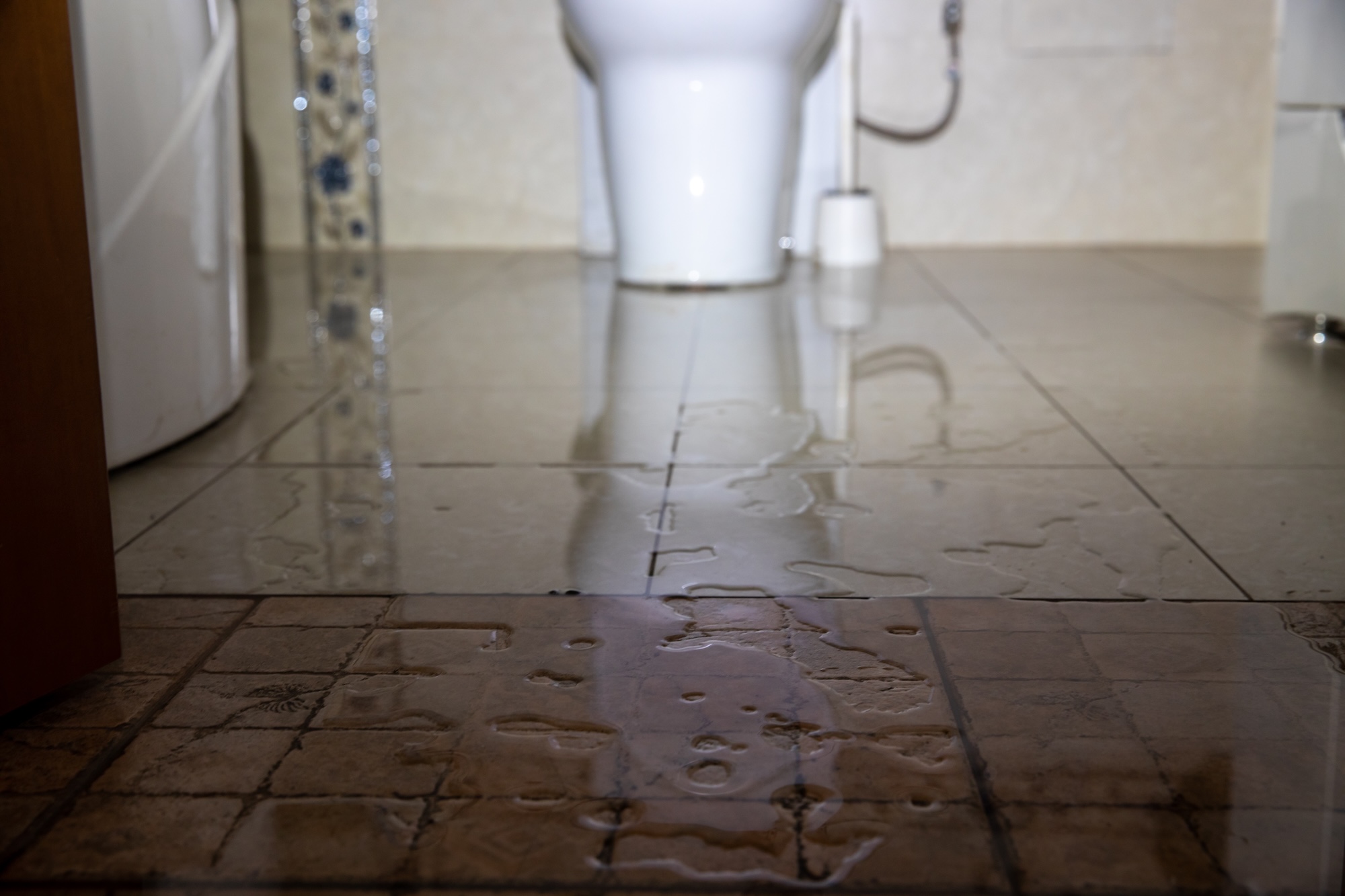
Water damage is tricky, and not all water losses are treated equally. Many homeowners assume any water-related damage is covered, but that’s often not the case.
Many policies exclude or limit coverage for:
- Sewer or drain backups
- Slow or hidden leaks behind walls
- Certain types of plumbing-related water damage
In some policies, coverage limits or even full exclusions are tied to the type or age of the home’s plumbing. Older or higher-risk systems may trigger lower water damage caps or exclusions that homeowners don’t realize exist until a claim is filed.
These issues are especially common in older homes and can lead to significant out-of-pocket costs without proper endorsements in place.
6. Liability Limits That Haven’t Been Revisited
Life changes, but liability coverage often stays the same unless it’s reviewed intentionally. New features and lifestyle changes can significantly increase risk exposure.
Common liability-increasing changes include:
- Pools
- Trampolines
- Pets
- Frequent guests or short-term rentals
A trampoline or pool can dramatically increase injury risk, and certain dog breeds may affect coverage eligibility. Cavik Insurance helps homeowners evaluate these changes holistically, including how pet ownership impacts liability through Pet Insurance resources.
When liability limits don’t reflect current risk, homeowners may be exposed well beyond what their policy will cover.
7. Assuming “We’ll Review It Later”
The most dangerous insurance gap is procrastination.
Policies often renew automatically, and coverage language can feel overwhelming. As a result, important updates go unreported, including:
- Renovations or additions
- Newly acquired valuables
- Changes in occupancy, such as renting out a room
Waiting until renewal or worse, until a claim, is often too late. This is why regular reviews matter.
Cavik Insurance assigns clients a dedicated account manager who proactively reaches out at renewal to review coverage, confirm billing information, and request updates. You can learn more about the local experts who understand the risks of the coast and can help you spot hidden policy gaps on The Cavik Insurance Team page.
Why These Gaps Are So Easy to Miss
Coverage gaps don’t usually appear overnight. They form gradually because:
- Policies renew automatically
- Coverage language is complex
- Homeowners aren’t always sure what questions to ask
Without guidance, it’s easy for policies to fall out of sync with reality.
How Cavik Insurance Helps Identify Hidden Gaps
Cavik Insurance takes a proactive approach to coverage reviews. The focus is on prevention, not reaction.
Their process is designed to:
- Identify risks before they become claims
- Align coverage with real-life changes
- Adjust policies for market trends and home upgrades
Local knowledge plays a critical role, especially for homeowners navigating coastal weather risks, inland flooding, and changing rebuild costs across North Carolina.
When you work with Cavik, you get assigned an account manager who will verify billing information. At the time of renewal, they will reach out to review and request any updates or changes needed.
When to Review Your Home Insurance
Don’t wait for storm season or a denied claim to reveal gaps.
Schedule a coverage review:
- Before storm season
- After renovations or upgrades
- When property values rise
- At least once a year
We recommend setting a calendar reminder for an annual insurance review or requesting a proactive check-in with your agent to confirm your policy still matches your home and lifestyle.
Insurance Gaps Cost the Most When You Discover Them Too Late
Most homeowners don’t find coverage gaps until something goes wrong. By then, options are limited.
With thoughtful planning and regular reviews, these gaps can be identified and addressed before they become expensive problems. Preparation is what separates frustration from protection.
Before havoc, call Cavik. Schedule a coverage review with Cavik Insurance to identify hidden gaps and protect your home the right way.