Small Plumbing Leaks That Can Cause Big Insurance Problems
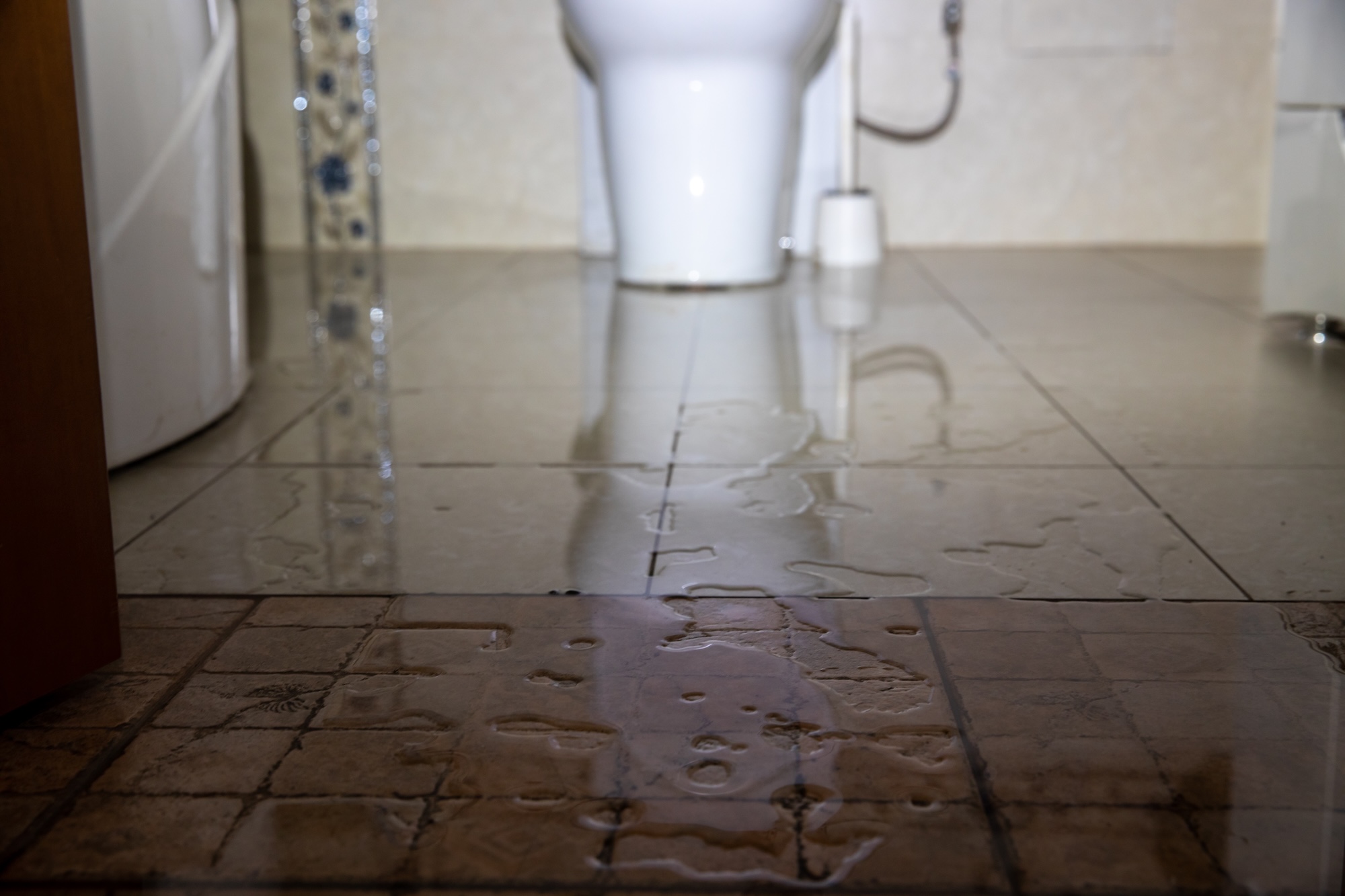
Plumbing leaks have a way of staying quiet until the damage is already expensive. A slow drip under the sink, a worn washing machine hose, a leaking water heater, or a toilet that keeps running can feel like minor annoyances at first.
Given enough time, though, those small problems work their way into floors, walls, cabinets, ceilings, insulation, and the belongings you keep in your home. A few minutes of attention now can save you a stressful repair later.
We help homeowners, renters, landlords, condo owners, and multifamily property owners across the Southeast look at coverage options for property, liability, flood concerns, and personal belongings.
Quick Answer: Are Plumbing Leaks Covered by Homeowners Insurance?
Homeowners insurance may cover sudden and accidental water damage from plumbing, but it usually does not cover damage caused by long-term neglect, slow leaks, or poor maintenance. A burst pipe and a slow leak behind a wall can be treated very differently by an insurance company.
That is why it helps to check for leaks early, understand what your policy actually says, and ask about water backup, appliance leaks, mold limits, and coverage limits before damage happens.
The numbers back this up: EPA WaterSense notes that the average household’s leaks can waste nearly 10,000 gallons of water a year, which shows how quickly a small drip adds up.
The Leaks Homeowners Often Miss
Some plumbing leaks announce themselves. Many more start in places you do not look at every day.
Common hidden leak spots include:
- under sinks
- behind toilets
- around water heaters
- behind washing machines
- near dishwashers
- around refrigerator water lines
- in crawl spaces
- behind walls and ceilings
The warning signs can be just as easy to overlook. Musty smells, warped flooring, peeling paint, soft cabinets, water stains, a higher-than-usual water bill, or the sound of running water when everything is turned off can all point to hidden plumbing leaks.
Catching these early gives you a chance to act before the damage spreads. We get into this further in our article on how plumbing issues, clogged pipes, sewer backups, and improper flushing can lead to costly water damage and insurance claims.
How to Keep Small Leaks From Becoming Big Claims
A short monthly routine goes a long way. Walk through your home and check the usual suspects: under sinks, behind toilets, near the water heater, behind the washing machine, around the dishwasher and refrigerator water lines, in crawl spaces, and near the sump pump. While you are at it, keep an eye out for early warning signs like musty smells, rust, soft cabinets, or running-water sounds.
A few other habits make a real difference:
- Replace aging washing machine hoses and worn appliance connections before they fail.
- Find your main water shutoff valve and make sure everyone in the house knows how to use it.
- Turn off the water supply before vacations or long stretches away from home.
- Consider smart water leak sensors or an automatic water shutoff system, especially if you travel often or leave the home vacant for long stretches.
It is also worth asking your agent whether any carriers offer discounts or benefits for approved leak detection sensors or automatic water shutoff devices. Discounts vary by carrier, policy, state, and device, so the answer depends on your situation.
Why Sudden Damage and Slow Damage Are Not the Same
When it comes to water damage insurance, how the damage happened often matters as much as the damage itself. Sudden and accidental damage may be handled differently than gradual damage. A pipe that bursts out of nowhere can be treated very differently from a pipe that has been leaking quietly for months.
The takeaway: do not assume every plumbing issue is automatically covered. The safest move is to ask how your policy handles plumbing leaks, appliance leaks, mold, water backup, and long-term seepage. The North Carolina Department of Insurance encourages homeowners to talk with their agent or insurance company about specific coverage, exclusions, and whether separate policies may be needed.
Appliances Can Create Water Damage Fast
Washing machines, dishwashers, refrigerators, ice makers, and water heaters all rely on hoses, valves, seals, and connections, and any of those can fail. When they do, a small appliance leak can spread into flooring, cabinets, drywall, and nearby rooms before anyone notices.
Checking your appliance connections regularly and replacing worn hoses early are two of the simplest ways to avoid that surprise. If you are heading out of town, it may also be worth shutting off the water supply to certain appliances or at the main valve, depending on your setup.
Interior water damage is no small issue either: the Insurance Institute for Business & Home Safety points out that it remains one of the most consistent sources of residential insurance claims and losses.
Water Backup Deserves Its Own Question
Sewer backup and drain backup can create major cleanup headaches, and this is one area where homeowners often get caught off guard. Some assume backup coverage is part of a standard home insurance policy, but it may require a separate endorsement or come with a lower limit.
It is worth asking directly whether your policy includes water backup coverage for drains, sewer lines, toilets, showers, and floor drains. That question matters even more before summer storms, heavy rain, travel season, or the busier months when you have more guests in the home.
Our post on coverage gaps, flood insurance, exclusions, and policy details explains why it pays to pay attention before disaster strikes.
What to Do When You Find a Leak
If you spot a leak, a calm and quick response protects both your home and any claim you may need to file:
- Shut off the water source if it is safe to do so.
- Call a plumber when you cannot stop the issue quickly.
- Take photos and videos before you start cleaning up.
- Save receipts for emergency repairs, supplies, hotel stays, or restoration work.
- Contact your insurance company or agent as soon as possible.
- Hold off on throwing damaged items away until the claim process is clear.
The American Red Cross also recommends turning off the water at the main valve and calling a plumber if your water pipes are damaged.
Review Your Coverage Before the Leak Becomes Havoc
A quick coverage review answers the questions that tend to come up at the worst possible moment. Before you ever have a leak, it helps to know:
- Does my policy cover sudden plumbing water damage?
- Are slow leaks or seepage excluded?
- Do I have water backup coverage?
- Are mold claims limited?
- What deductible would apply?
- Are my belongings covered at replacement cost or actual cash value?
- Do I need flood insurance too?
Knowing the answers is a lot more comfortable than guessing. If you want help walking through your policy, our client center is here for current clients who need to make payments, file claims, request changes, or get support with policy questions.
Catch the Drip Before It Turns Into Damage
Plumbing leaks are easy to ignore right up until they damage the parts of your home you count on every day. Checking the common leak spots, learning how water backup works, and reviewing your homeowners insurance can leave you far more prepared before a small drip becomes a bigger repair.
As an insurance agency serving North Carolina and South Carolina, Cavik Insurance helps clients compare coverage, ask better questions, and get ready before havoc has a chance.
Not sure how your homeowners insurance handles plumbing leaks, water backup, or hidden water damage? Contact Cavik Insurance for a coverage review, and let’s make sure you know what to expect before a small drip turns into a bigger problem.